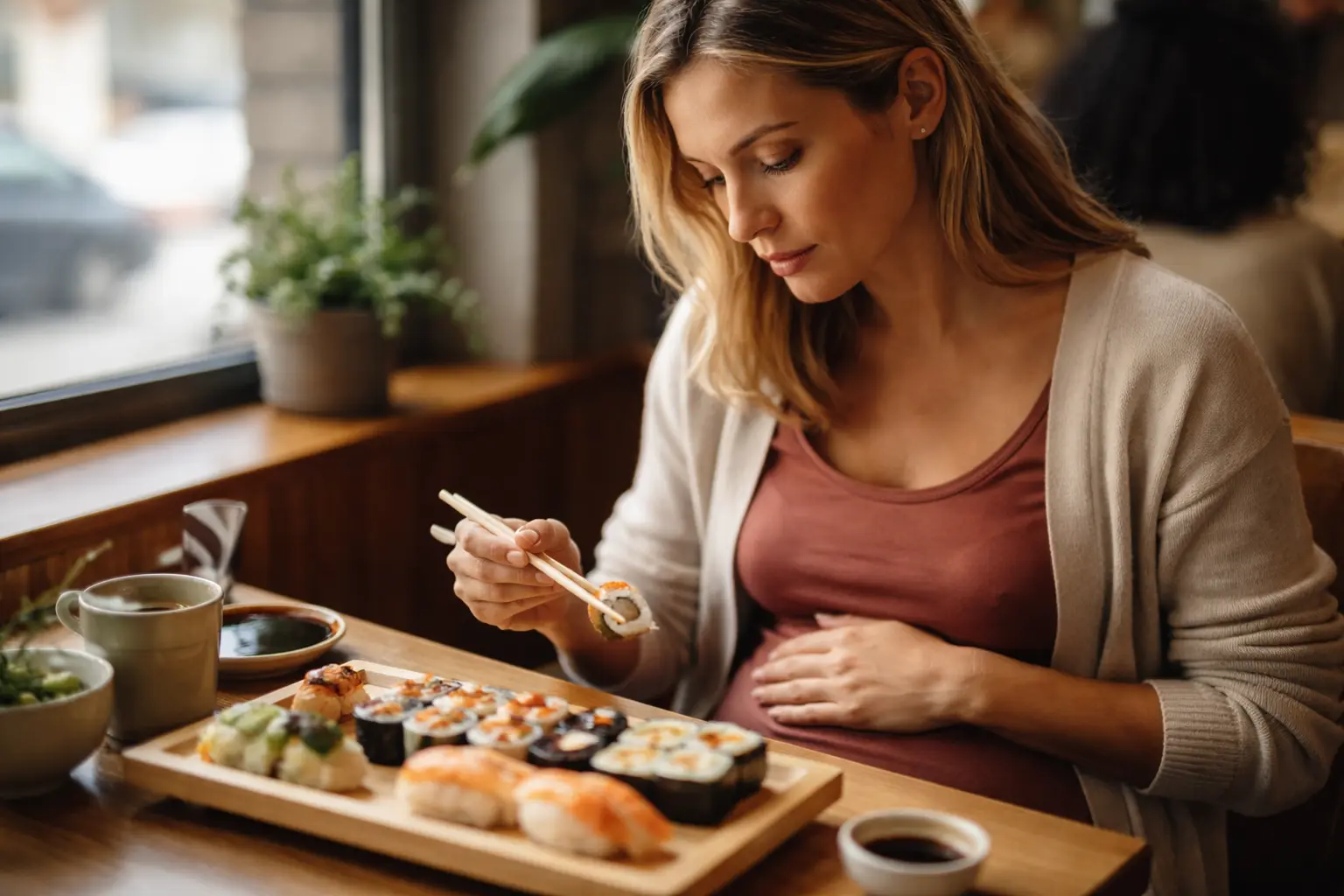
You’re craving sushi but terrified you’ll hurt your baby, scrolling through conflicting advice online at midnight wondering which sushi to eat when pregnant and feeling totally lost in a sea of do’s and don’ts.
Low mercury fish: your best bet
When you’re pregnant, choosing the right fish matters more than ever. Salmon, shrimp, and trout are your safest bets because they contain minimal mercury while delivering omega-3 fatty acids your baby’s brain desperately needs. Think of it this way: you’re not just feeding yourself anymore. Every nutrient you consume directly supports your baby’s nervous system development. Salmon rolls with avocado give you healthy fats plus vitamins. Shrimp tempura rolls offer cooked protein without the raw fish risk. Trout-based options are harder to find but worth seeking out at quality restaurants. A practical example: instead of ordering a spicy tuna roll, ask your sushi chef for a spicy salmon roll instead. Same satisfaction, zero mercury concerns. Many restaurants now offer pregnancy-friendly menus or will customize rolls on request. Don’t hesitate to ask questions about sourcing and preparation methods. Your health and your baby’s development are worth the extra conversation.
- Choose sushi rolls with cooked seafood to eliminate any risk of foodborne illness.
- Avoid high mercury fish such as tuna, swordfish, or mackerel to protect your baby’s nervous system.
- Look for sushi options with vegetables or avocado for added nutrients.
- Consider vegetarian sushi rolls with cucumber or sweet potato for a safe alternative.
- Consult your doctor or a nutritionist for personalized advice based on your pregnancy needs.
Skip raw fish: a wise move
Raw fish carries real risks during pregnancy that cooked alternatives simply don’t. Listeria and other bacteria thrive in raw seafood and can cross the placenta, potentially causing miscarriage or serious complications. This isn’t fear-mongering; it’s biology. Your immune system is naturally suppressed during pregnancy, making you more vulnerable to infections that wouldn’t bother you otherwise. Picture this scenario: you’re at a restaurant with friends, everyone’s ordering nigiri and sashimi platters, and you’re wondering if you can just have one piece. The answer is no, and that’s okay. Instead, explore cooked options that taste just as good. Tempura shrimp rolls give you that crispy texture. Crab (real or imitation) rolls are always cooked. Smoked salmon is heat-treated and safe. Vegetable rolls with cucumber, avocado, and pickled vegetables offer freshness and crunch without any risk. Many restaurants now offer creative cooked sushi options that rival raw fish in flavor and satisfaction. You’re not missing out; you’re making the smarter choice.
📘 Fix your day in under 2 minuteschoose where to begin:
Sushi etiquette: safe practices
Not all sushi restaurants maintain the same standards, and during pregnancy, that matters. A reputable sushi establishment follows strict food safety protocols: separate cutting boards for raw and cooked items, proper refrigeration temperatures, fresh ingredients sourced from reliable suppliers, and staff trained in food safety. Before you sit down, observe the restaurant environment. Is the counter clean? Do staff members handle raw and cooked items separately? Do they change gloves between tasks? These details reveal whether they take food safety seriously. Ask your server directly: Where does the fish come from? How is it stored? When was it received? Knowledgeable staff will answer confidently. If they seem dismissive or vague, that’s your signal to eat elsewhere. Building a relationship with one trusted sushi restaurant eliminates guesswork. Call ahead and explain you’re pregnant. Many chefs will prepare custom rolls and ensure extra precautions. This proactive approach removes anxiety and lets you enjoy your meal knowing everything meets safety standards.
Moderation is key: portion control
Even safe sushi choices need boundaries during pregnancy. Limiting sushi to a few times monthly protects you from cumulative exposure to contaminants and ensures dietary variety. Think about why moderation matters: sushi often contains seaweed, which provides iodine, but excessive iodine can affect thyroid function during pregnancy. Rice-based meals can contribute to refined carbohydrate intake. Soy sauce, while flavorful, contains sodium. A realistic scenario: you love sushi and want it weekly. Instead of denying yourself, establish a pattern. Enjoy sushi once every two weeks, alternating with other protein sources like grilled fish, chicken, or plant-based options. When you do have sushi, balance your meal. Pair a few rolls with miso soup and a seaweed salad for nutrients. Avoid ordering excessive amounts just because you’re hungry. Pregnancy hunger is real, but sushi isn’t the only answer. Eat a balanced dinner with vegetables, whole grains, and lean proteins most nights. Reserve sushi for special occasions or planned cravings. This approach lets you enjoy what you love while maintaining nutritional balance and minimizing any potential risks.
DIY sushi: homemade delights
Making sushi at home gives you complete control over ingredients and preparation, which is genuinely empowering during pregnancy. You choose the fish (cooked only), the vegetables (fresh and organic if you prefer), and the rice (you control sodium and seasoning). Start with basics: sushi rice, nori sheets, and fillings. Cooked shrimp, cucumber, avocado, and pickled vegetables work beautifully. Watch a tutorial or take a class if rolling feels intimidating. Many cooking schools offer pregnancy-friendly sushi workshops. A practical example: Sunday afternoon, you gather ingredients, roll several batches, and refrigerate them for the week. You know exactly what’s in each roll. No restaurant cross-contamination concerns. No guessing about fish sourcing or freshness. Your family can enjoy them too, making it a bonding activity. Homemade sushi costs less than restaurant versions and tastes fresher because you eat it immediately. Invest in a bamboo mat and rice paddle; they’re inexpensive and last years. This DIY approach transforms sushi from a risky craving into a safe, satisfying ritual you control completely.
Choose sushi containing low mercury fish like salmon, opt for cooked seafood, and avoid raw fish. Practice sushi etiquette, moderate your portions, and try homemade sushi for a safe and enjoyable dining experience during pregnancy.
Can I eat sushi when pregnant?
Yes, you can enjoy sushi during pregnancy by selecting safe options like sushi made with low mercury fish, cooked seafood, or vegetarian ingredients. It’s essential to practice moderation and follow proper food safety guidelines.
Is it safe to eat raw fish sushi while pregnant?
It is best to avoid raw fish sushi during pregnancy due to the risk of bacterial contamination. Opt for cooked or vegetarian sushi rolls to minimize any potential health risks for you and your baby.
Others also read:
Disclaimer: This article is for informational purposes only and is not a substitute for professional medical advice. Always consult a healthcare professional for personal guidance.
This guide has been prepared and reviewed by the GlobalHealthBeacon editorial team and reflects current medical research as of 2026. It provides structured, evidence-based information to support informed health decisions.
