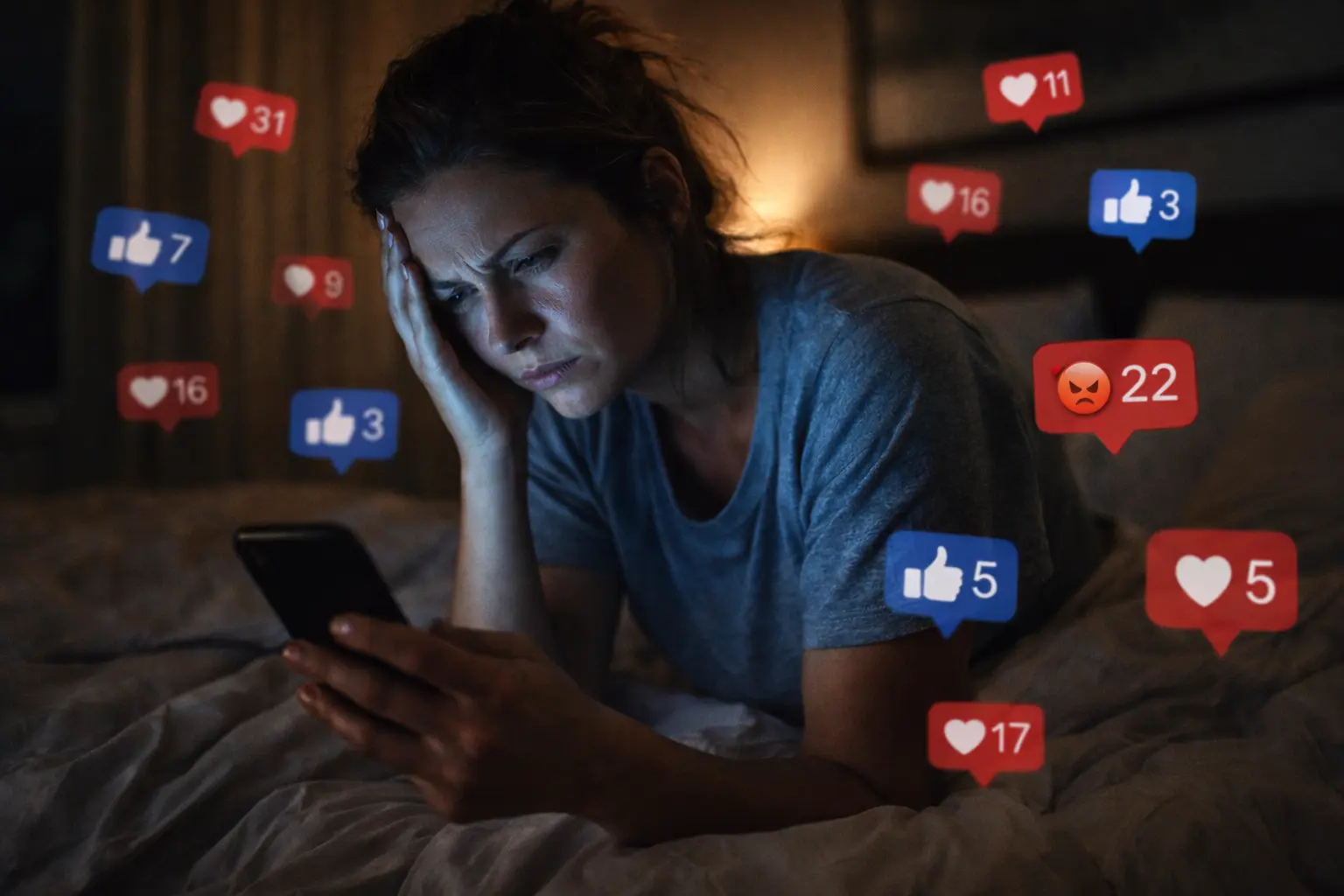
You scroll through Facebook and suddenly feel a knot in your chest watching everyone else’s perfect vacations and grandkid photos, wondering why your life doesn’t measure up, and that’s exactly why social media harms health for so many of us.
Isolation and loneliness
Picture this: Margaret, 68, sits in her living room with her phone in hand, watching her former coworkers post about their retirement adventures. She has friends, yet feels utterly alone. This is the paradox many seniors face. Social media creates a false sense of connection while simultaneously deepening isolation. When you spend hours scrolling instead of calling a friend or visiting your neighbor, the pixels on screen become a poor substitute for real human warmth. You see curated highlight reels and compare them to your everyday reality, which inevitably falls short. The disconnect grows wider. Real conversations, laughter shared over coffee, and the comfort of physical presence get replaced by likes and comments. This emotional gap can trigger depression and anxiety, leaving you feeling more isolated despite having hundreds of online friends.
- Comparison to unrealistic standards
- Lack of in-person social connections
- Increased risk of depression and anxiety
Sleep disturbances and fatigue
You’re lying in bed at 11 PM, telling yourself you’ll just check one more notification. Two hours later, you’re still there, eyes tired but mind racing. The blue light from your phone tricks your brain into thinking it’s daytime, suppressing melatonin production and keeping you wired when you should be winding down. Many seniors find themselves caught in this trap. The algorithm is designed to keep you engaged, pulling you deeper into feeds and videos. By the time you finally put the phone down, your sleep cycle is disrupted. You wake up groggy, spend the day fatigued, and the next evening you’re drawn back to social media to escape the exhaustion. It becomes a vicious cycle. Without quality sleep, your immune system weakens, your mood suffers, and your ability to handle stress diminishes. The restorative rest your body desperately needs gets sacrificed for digital stimulation.
💬 Ready to feel better in 2 minutes?choose where to begin:
Impacts on mental health
James, 72, noticed his anxiety spiking after spending mornings doom-scrolling through news feeds filled with health warnings, political conflict, and catastrophic stories. His chest would tighten, his shoulders would tense, and he’d feel a sense of helplessness wash over him. This is increasingly common among seniors who grew up without constant digital stress. Social media bombards you with negative news cycles, health scares, and comparison traps that can trigger genuine anxiety and depression. You see posts about illnesses, financial struggles, and family conflicts, and your mind starts connecting dots to your own life. The constant exposure to curated perfection from others creates a nagging sense of inadequacy. You might feel guilty for not staying as active, looking as good, or traveling as much as peers in your feed. These mental health impacts are real and measurable, affecting your quality of life and overall well-being in ways that extend far beyond the screen.
Physical health concerns
Consider how your typical day unfolds: you wake up, check social media in bed. You have breakfast while scrolling. You sit on the couch for hours, phone in hand, barely moving. By evening, you’ve spent most of your day sedentary, and your body feels it. Prolonged sitting while using social media contributes directly to a sedentary lifestyle that increases your risk of obesity, cardiovascular disease, and joint problems. Your muscles weaken from disuse, your metabolism slows, and your heart works harder. Seniors who spend excessive time on social media often neglect the physical activity their bodies need to stay healthy and strong. The sitting posture itself can cause neck and back pain, eye strain, and poor circulation. What starts as innocent scrolling becomes a habit that undermines your physical health. The time spent online is time not spent walking, gardening, or engaging in activities that keep your body functioning optimally.
Exploring the hidden health effects of social media on seniors reveals how it contributes to isolation, sleep disturbances, mental health issues, and physical health concerns. These impacts highlight the importance of moderation and self-care when engaging with technology.
How can seniors reduce the negative health effects of social media?
Seniors can limit screen time, prioritize in-person social interactions, engage in physical activity, and practice mindfulness to mitigate the harmful impacts of social media on their health.
Are there benefits to social media for seniors?
While social media can provide valuable connection and information, it’s essential for seniors to balance its use with real-world interactions and activities to maintain overall well-being.
Others also read:
Disclaimer: This article is for informational purposes only and is not a substitute for professional medical advice. Always consult a healthcare professional for personal guidance.
This article presents an experience-based perspective and has been reviewed by the GlobalHealthBeacon editorial team in 2026. It provides structured, evidence-based information to support informed health decisions.
