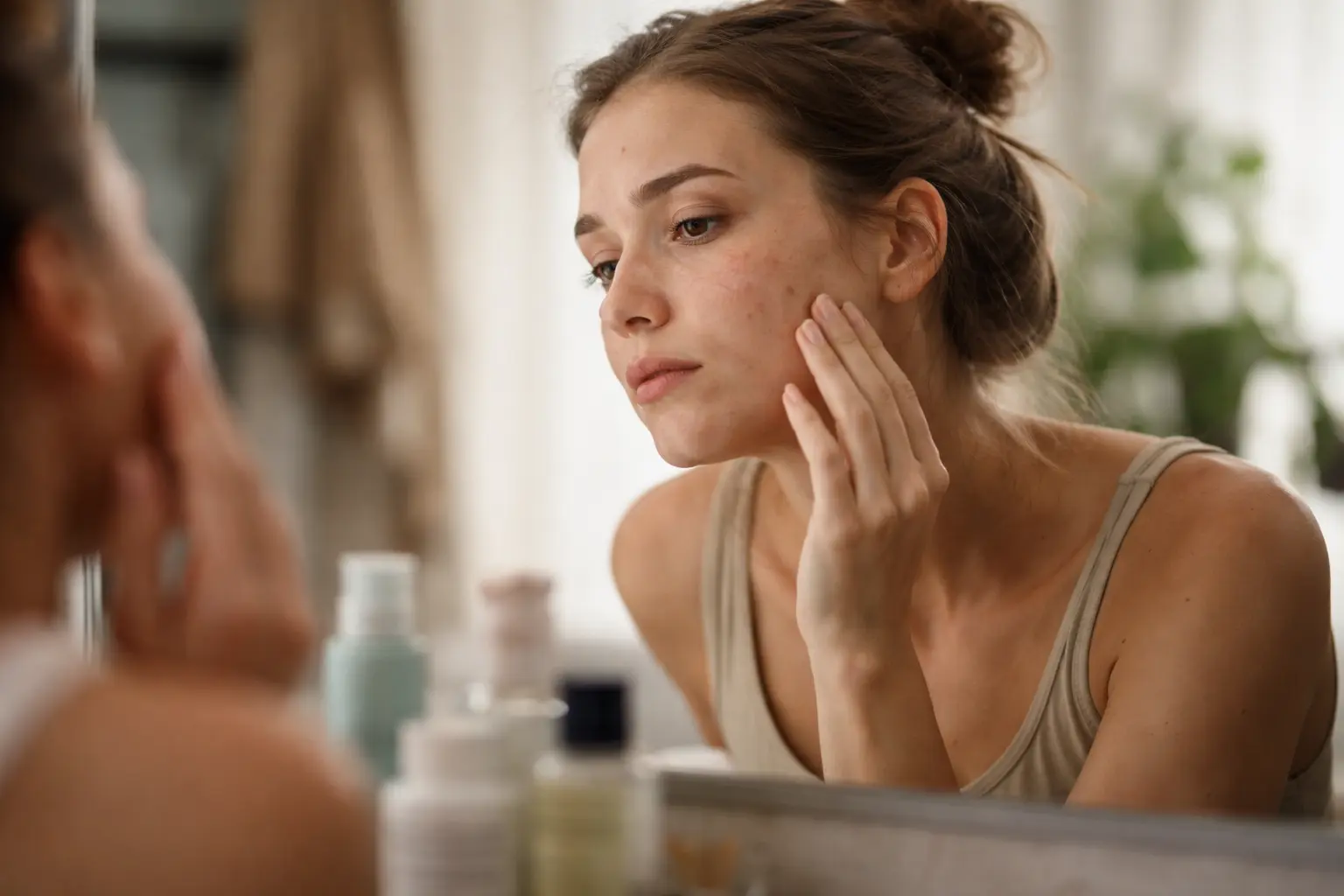
Your face breaks out right before something important, you’re tired of hiding behind makeup or feeling self-conscious, and nothing you’ve tried seems to stick, so here’s your acne treatment guide to actually get results.
Understanding acne: unveiling the culprit behind breakouts
Acne doesn’t just appear out of nowhere, and understanding what triggers your breakouts is the first real step toward clearing your skin. Think of acne as your skin’s response to multiple factors working together. You might have oily skin that clogs easily, or hormones that spike during certain times of the month, or bacteria that thrives in your pores. Some people inherit acne-prone skin from their parents, while others develop it only when they’re stressed or eating certain foods. A young adult dealing with persistent breakouts might notice that their skin flares up during exam season, or after eating dairy, or when they skip their skincare routine for a few days. The key is recognizing that acne is multifactorial, meaning no single cause explains everything. By identifying which factors affect your skin most, you can target your treatment strategy more effectively and avoid wasting time on solutions that won’t work for your specific situation.
- Understanding the different types of acne such as blackheads, whiteheads, papules, pustules, nodules, and cysts.
- Exploring the role of hormones, genetics, bacteria, and lifestyle choices in acne development.
- Learning how diet, stress, and skincare regimen impact acne severity.
Over-the-counter solutions: your go-to quick fixes
Over-the-counter acne treatments are often your first line of defense, and many young adults find real success without ever needing a prescription. Benzoyl peroxide works by killing acne-causing bacteria and reducing inflammation, making it ideal for mild to moderate breakouts. Salicylic acid exfoliates your pores to prevent clogging, which is especially helpful if you struggle with blackheads or congestion. Niacinamide calms redness and regulates oil production, so it’s gentler if your skin is sensitive. A typical approach might look like this: start with a cleanser containing salicylic acid in the morning, follow with a lightweight moisturizer, then use a benzoyl peroxide spot treatment at night on active breakouts. Some young adults see improvement within two to three weeks, while others need six to eight weeks of consistent use before noticing real change. Common mistakes include using too many active ingredients at once, which irritates your skin and makes acne worse, or giving up after two weeks when your skin needs time to adjust. The right OTC routine is affordable, accessible, and often enough to prevent breakouts from becoming severe.
📘 Fix your day in under 2 minuteschoose where to begin:
Prescription medications: a deeper dive into professional acne treatments
When over-the-counter treatments don’t cut it, prescription medications offer stronger options for moderate to severe acne. Topical retinoids like tretinoin increase cell turnover and prevent pore clogging at a cellular level, making them one of the most effective treatments available. Oral antibiotics reduce bacteria and inflammation from the inside, often combined with topical treatments for better results. Hormonal treatments like birth control can help young adults whose acne is driven by hormonal fluctuations, particularly those with breakouts that worsen around their menstrual cycle. Isotretinoin, also called Accutane, is reserved for severe cystic acne that hasn’t responded to other treatments, as it carries significant side effects but offers the possibility of long-term remission. A dermatologist will evaluate your skin type, acne severity, medical history, and lifestyle to recommend the right prescription. For example, a young adult with moderate inflammatory acne might start with a topical retinoid and oral antibiotic, while someone with hormonal breakouts might benefit more from adjusting their birth control. Prescription treatments require patience, regular monitoring, and sometimes trial and error to find what works, but they address acne at deeper levels than OTC options can reach.
Holistic approaches: natural remedies for gentle acne care
Natural remedies and holistic approaches can complement your primary acne treatment strategy, offering gentler alternatives or supportive care. Tea tree oil has antimicrobial properties and can reduce inflammation, though it should always be diluted before applying to skin to avoid irritation. Aloe vera soothes inflamed skin and supports healing, making it useful after aggressive treatments or for sensitive skin types. Zinc supplements may help reduce acne severity, particularly in people with zinc deficiency, though results vary. Green tea contains antioxidants that fight bacteria and reduce sebum production, available as a topical treatment or consumed as a beverage. A young adult might use a natural approach by applying diluted tea tree oil to active pimples, using aloe vera as a moisturizer after treatment, drinking green tea daily, and ensuring adequate zinc intake through diet or supplements. The reality is that natural remedies work best as supporting players rather than solo solutions for moderate or severe acne. They’re excellent for prevention, maintenance, and reducing irritation from stronger treatments, but they rarely clear persistent breakouts on their own. Combining a holistic approach with proven treatments gives you the best of both worlds: effectiveness plus gentleness.
Lifestyle changes: transforming habits for clearer skin
Your daily habits shape your skin more than you might realize, and small adjustments often make a measurable difference in acne severity. Staying hydrated helps your skin function properly and supports your body’s natural detoxification, so aim for at least eight glasses of water daily. Getting seven to nine hours of sleep allows your skin to repair itself and regulates hormones that trigger breakouts, so consistent sleep schedules matter. Managing stress through exercise, meditation, or hobbies reduces cortisol levels that can worsen acne. Washing your face twice daily with a gentle cleanser removes excess oil and bacteria without stripping your skin, and changing your pillowcase every two to three days prevents bacteria from accumulating. A young adult might notice their acne improves significantly after starting a regular exercise routine, or after reducing their caffeine intake, or after being more diligent about not touching their face. Avoiding tight clothing that traps sweat and bacteria also helps, as does being mindful about which hair products and sunscreens you use near your face. These lifestyle changes work synergistically with treatments, meaning they amplify the effectiveness of whatever acne solution you choose while supporting overall skin health.
This acne treatment guide walks you through understanding what causes your breakouts, evaluating over-the-counter solutions that work quickly and affordably, exploring prescription medications for stubborn acne, incorporating natural remedies for gentle support, and adjusting lifestyle habits that directly impact your skin. Young adults have multiple pathways to clearer skin, and the most effective approach often combines several strategies tailored to your specific situation and skin type.
Are prescription treatments always necessary for treating acne?
No, prescription treatments are not always necessary. Many young adults successfully manage acne with over-the-counter treatments like benzoyl peroxide and salicylic acid, combined with consistent skincare and lifestyle adjustments. Prescription medications become important when acne is moderate to severe, persistent despite OTC treatments, or driven by hormonal factors. A dermatologist can assess your specific situation and recommend whether you need a prescription or if OTC options will suffice.
Can lifestyle changes alone improve acne?
Lifestyle changes play a supporting role in acne management and can prevent breakouts from worsening, but they rarely clear persistent or moderate acne on their own. Staying hydrated, sleeping well, managing stress, and maintaining good hygiene all help, but they work best alongside targeted treatments. For mild acne or prevention, lifestyle adjustments might be enough. For active breakouts, combining lifestyle changes with proven treatments delivers the best results.
Others also read:
Disclaimer: This article is for informational purposes only and is not a substitute for professional medical advice. Always consult a healthcare professional for personal guidance.
This guide has been prepared and reviewed by the GlobalHealthBeacon editorial team and reflects current medical research as of 2026. It provides structured, evidence-based information to support informed health decisions.
