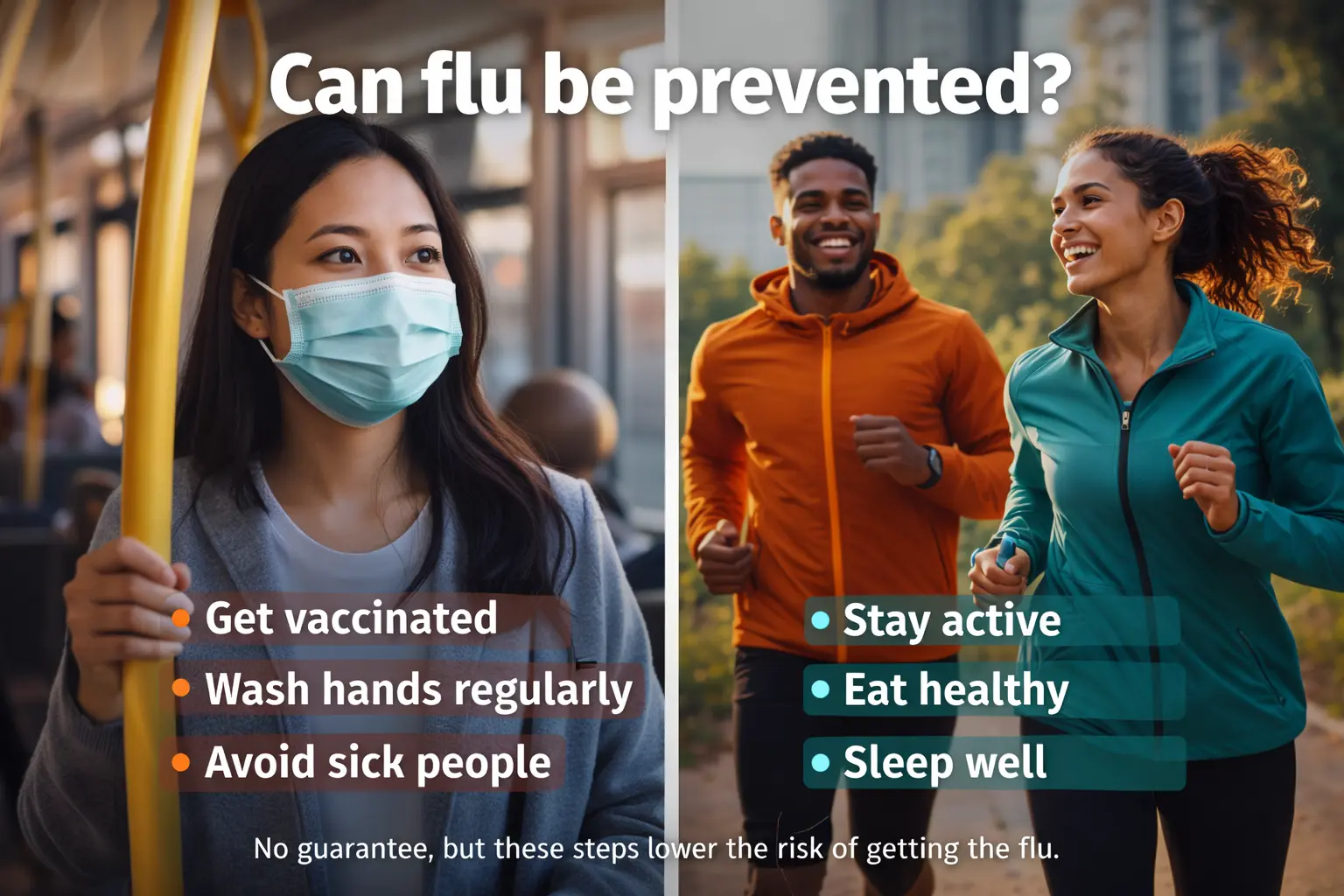
Tired of catching the flu every season and feeling like your body is working against you? The good news is that can flu be prevented naturally, and you have more control than you think.
Boost your immune system
Your immune system is your body’s first line of defense, and strengthening it requires consistent attention to nutrition and lifestyle. Think of it like building a fortress: you need the right materials and maintenance to keep invaders out. Start by identifying gaps in your current diet. Many women unknowingly skip key nutrients that directly support immune function. Vitamin C supports white blood cell production, vitamin D regulates immune response, and zinc helps your body fight off viral infections. Rather than overwhelming yourself with supplements, focus on food sources first. Add citrus fruits, berries, leafy greens, and nuts to your meals. Hydration matters more than most realize; dehydration slows your immune response and makes you vulnerable. Sleep is equally critical. During deep sleep, your body produces cytokines that fight infection. If you’re sleeping only 5-6 hours nightly, your immune system is operating at reduced capacity. Aim for 7-9 hours consistently. A practical approach: spend one week tracking what you eat and how you sleep, then identify one change to implement each week rather than overhauling everything at once.
- Include plenty of fruits and vegetables in your meals
- Stay hydrated by drinking water throughout the day
- Get good quality sleep to support your immune system
Practice good hygiene
Handwashing seems basic, yet most people do it incorrectly or inconsistently. The flu virus survives on your hands for minutes to hours, waiting for you to touch your face, eyes, or mouth. Picture this scenario: you grab a coffee at a busy cafe, touch the door handle, then eat a muffin without washing your hands. That’s how transmission happens. Proper handwashing takes 20 seconds with soap and warm water, rubbing between fingers, under nails, and up your wrists. Do this after using the bathroom, before eating, after touching public surfaces, and after coughing or sneezing. When soap isn’t available, alcohol-based hand sanitizer with at least 60% alcohol works in a pinch, though it’s less effective on visibly dirty hands. Beyond handwashing, be intentional about your face. Most people touch their face 15-23 times per hour without thinking. Create awareness by noticing when you reach for your face, then pause. If you wear makeup, consider removing it before commuting or being in crowded spaces. During peak flu season, avoid touching communal items like door handles, elevator buttons, or shopping carts without a barrier. Carry hand sanitizer or small disinfectant wipes for moments when washing isn’t possible.
📘 Fix your day in under 2 minuteschoose where to begin:
Stay active and fit
Exercise is one of the most underrated immune boosters available to you. When you move your body regularly, you increase circulation, which helps immune cells travel through your bloodstream more efficiently. Moderate exercise like brisk walking, swimming, or cycling for 150 minutes weekly has been shown to reduce respiratory infections by up to 50 percent. The key word is moderate; intense overtraining without adequate recovery can temporarily suppress immunity. Consider your current fitness level and build gradually. If you’re sedentary, starting with three 20-minute walks weekly is more sustainable than committing to daily gym sessions you’ll abandon in two weeks. Find activities you genuinely enjoy because consistency matters more than intensity. A woman who does yoga three times weekly will see better immune benefits than someone who runs marathons sporadically and then stops. Outdoor exercise offers additional benefits: fresh air, natural light exposure for vitamin D synthesis, and reduced exposure to indoor pathogens. Even 15 minutes outside daily improves mood and immune function. If weather or schedule limits outdoor time, indoor options like dancing to music, online fitness classes, or home strength training work equally well. The goal is movement that fits your life, not perfection.
Consider vaccination
Vaccination is your most direct tool for flu prevention, yet many women delay or skip it due to misconceptions. The flu vaccine doesn’t give you the flu; it contains inactivated virus or mRNA that teaches your immune system to recognize and fight the actual virus. Think of it as showing your body a wanted poster before the criminal arrives. Annual vaccination is necessary because the flu virus mutates yearly, and immunity wanes over months. Timing matters: get vaccinated in September or October before flu season peaks in December through February. If you miss that window, vaccination in January or February still provides protection. Discuss with your healthcare provider which vaccine type suits you best. The standard dose works for most women, but high-dose versions exist for those over 65 or with certain conditions. Pregnant women should get vaccinated to protect both themselves and their newborns. Common side effects are mild: arm soreness, low-grade fever, or fatigue lasting 1-2 days. Serious allergic reactions are extremely rare. Many women worry vaccination will interfere with other health goals; it won’t. Vaccination is a complement to the other strategies in this guide, not a replacement. It’s your insurance policy when other preventive measures aren’t enough.
Manage stress
Stress weakens immunity through multiple pathways. When you’re stressed, your body releases cortisol, which suppresses white blood cell function and increases inflammation. Over time, chronic stress leaves you vulnerable to infections. Recognize your personal stress signals: some women experience tension headaches, others notice sleep disruption or digestive issues. Identifying your pattern helps you intervene early. Relaxation techniques work best when practiced regularly, not just during crisis moments. Deep breathing is accessible anywhere: inhale for four counts, hold for four, exhale for six. This activates your parasympathetic nervous system, signaling your body that danger has passed. Meditation doesn’t require sitting in silence for hours; even five minutes of focused breathing daily reduces stress hormones. Yoga combines movement with breathing and mindfulness, making it particularly effective for women juggling multiple responsibilities. Other approaches include journaling, spending time in nature, connecting with friends, or pursuing hobbies that absorb your attention. The common thread is that these activities interrupt the stress cycle and give your nervous system a chance to reset. During flu season, prioritize stress management alongside other preventive measures. A woman who manages stress effectively while getting adequate sleep and exercise has significantly better flu resistance than someone who does one thing perfectly but neglects the others.
Prevent the flu by building a strong immune system through proper nutrition and sleep, practicing consistent hygiene, exercising regularly, getting vaccinated, and managing stress effectively. These strategies work together to create multiple layers of protection during flu season.
Is the flu vaccine safe for women?
Yes, the flu vaccine is safe and recommended for women of all ages. It helps protect against the flu virus and lowers the risk of severe complications. Side effects are typically mild and temporary.
Can I boost my immune system naturally?
Yes, you can boost your immune system naturally by eating a healthy diet rich in fruits and vegetables, staying hydrated, getting adequate sleep of 7-9 hours nightly, exercising regularly, and managing stress through relaxation techniques.
Others also read:
Disclaimer: This article is for informational purposes only and is not a substitute for professional medical advice. Always consult a healthcare professional for personal guidance.
This guide has been prepared and reviewed by the GlobalHealthBeacon editorial team and reflects current medical research as of 2026. It provides structured, evidence-based information to support informed health decisions.
