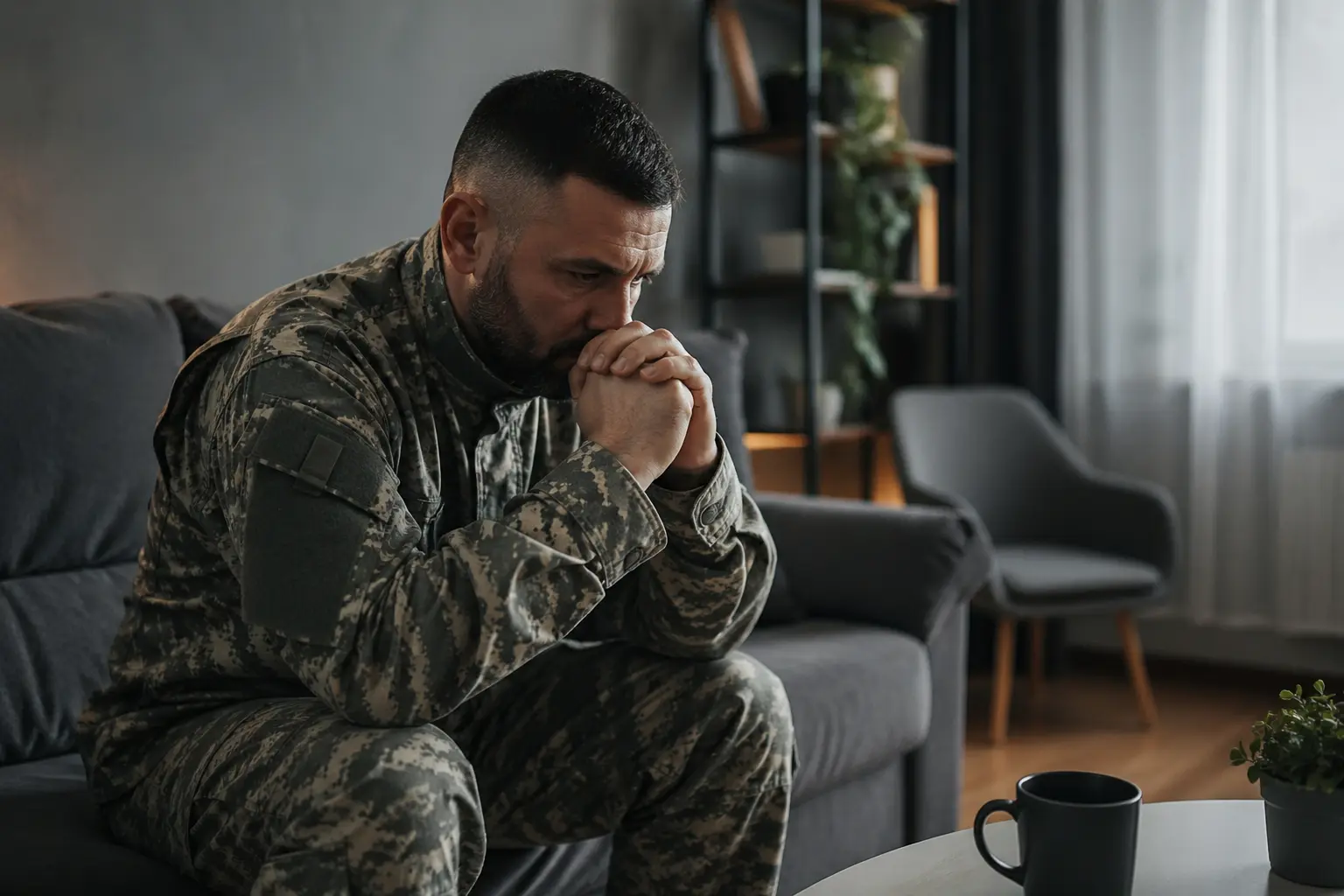
Flashbacks hit without warning, your chest tightens in crowded spaces, and sleep feels impossible because your mind won’t stop replaying what happened – the psychological effects war trauma leaves behind can feel suffocating, but you’re not broken, and there are real, proven ways to reclaim your life.
Recognizing the signs
Understanding what war trauma looks like is your first real step toward healing. Symptoms don’t always announce themselves loudly. You might notice you’re irritable with people you love, or that certain sounds send you into a panic even though you know logically you’re safe. Some women describe feeling emotionally numb, like they’re watching their life through glass. Others experience intrusive flashbacks that feel completely real in the moment. Anxiety can creep in during everyday tasks like grocery shopping or sitting in traffic. The key is recognizing these aren’t character flaws or weakness. They’re your nervous system’s protective response to overwhelming experiences. Start by keeping a simple log of when symptoms appear and what triggers them. Notice patterns. Does a particular time of day feel harder? Are there specific sounds, smells, or situations that intensify your reactions? This awareness becomes your foundation for recovery.
- Track your triggers in a journal to identify patterns and understand what activates your stress response
- Connect with mental health professionals trained in trauma, such as therapists specializing in PTSD or complex trauma
- Join support groups where other women share similar experiences and practical coping strategies
Building resilience
Resilience isn’t something you’re born with or without. It’s built through consistent practice and the right support. Cognitive-behavioral therapy, or CBT, works by helping you identify thought patterns that keep you stuck in fear and gradually rewire them. Eye Movement Desensitization and Reprocessing, known as EMDR, helps your brain process traumatic memories in a way that reduces their emotional charge. Imagine carrying a heavy backpack for years. Therapy doesn’t erase the weight instantly, but it teaches you how to carry it differently, and gradually, the load becomes lighter. Consider a woman who couldn’t drive past military vehicles without panic. Through consistent EMDR sessions, she gradually desensitized her nervous system to the trigger. Within months, she was driving freely again. Building resilience also means developing practical coping tools you can use daily. Breathing exercises, grounding techniques, and movement practices all help regulate your nervous system when it goes into overdrive. The goal isn’t perfection. It’s progress.
📘 Fix your day in under 2 minuteschoose where to begin:
Embracing self-compassion
Self-compassion is radically different from self-pity. It means treating yourself like you would a close friend who’s been through trauma. When you catch yourself thinking ‘I should be over this by now’ or ‘I’m too broken,’ pause and ask if you’d say that to someone you care about. Probably not. Trauma changes your brain chemistry temporarily. Your body is doing exactly what it’s designed to do when faced with threat. That’s not a personal failure. Start small with self-compassion practices. Take a warm bath without guilt. Say no to obligations that drain you. Spend time doing things that feel genuinely restorative, not just distracting. One woman found that gardening helped her reconnect with her body in a positive way. Another discovered that painting allowed her to express emotions she couldn’t verbalize. These aren’t luxuries. They’re essential maintenance for your healing. Notice the difference between numbing behaviors like excessive scrolling and genuinely nourishing activities. The latter leaves you feeling more like yourself.
Establishing healthy boundaries
Boundaries aren’t walls you build to keep people out. They’re guidelines that protect your emotional and mental energy. War trauma often leaves women hypervigilant about others’ needs, sometimes at the expense of their own safety. You might find yourself over-explaining your limitations or apologizing for having them. This stops now. Start by identifying what drains you. Is it certain people who minimize your experience? Situations that feel chaotic or unpredictable? Conversations that pull you back into traumatic memories? Once you know what depletes you, practice saying no without justification. ‘No, I can’t make it’ is a complete sentence. You don’t owe anyone a detailed explanation of your trauma or your needs. A practical example: if family gatherings trigger you, it’s okay to attend for a shorter time or skip them entirely. If a friend constantly brings up the war, it’s fair to say ‘I need you to stop asking me about that.’ Surrounding yourself with people who respect your boundaries isn’t selfish. It’s essential. These people might be family, friends, or a carefully chosen support network. Quality matters far more than quantity.
Fostering connection
Isolation feels safer when you’re hurting, but connection is actually one of the most powerful healing tools available. This doesn’t mean forcing yourself into social situations that feel overwhelming. It means intentionally building relationships with people who feel safe. Start with small, manageable interactions. A coffee date with one trusted person beats a party full of strangers. Vulnerability doesn’t mean telling your entire story to everyone. It means finding one or two people you can be honest with about how you’re really doing. Many women find that sharing their experience with other trauma survivors creates an immediate sense of being understood in a way that others can’t replicate. Support groups, whether in-person or online, offer this. You hear other women’s stories and realize you’re not alone in your struggles or your healing journey. Connection also includes reconnecting with yourself. What did you enjoy before the trauma? Can you revisit any of those activities in a modified way? One woman loved dancing but felt too vulnerable in public spaces. She started dancing alone in her living room, then gradually worked up to classes. The point is movement, joy, and self-expression. Allow yourself to be seen, heard, and supported. This is where real healing accelerates.
Recognizing the signs of war trauma, building resilience through evidence-based therapy, embracing self-compassion, establishing healthy boundaries, and fostering meaningful connection are essential steps in women’s war trauma treatment. Each step builds on the others, creating a foundation for sustainable recovery.
What are common triggers for war trauma effects?
Common triggers vary by individual but often include loud noises like fireworks or sirens, crowded spaces that feel unpredictable, certain smells that connect to traumatic memories, and situations that resemble aspects of the original trauma. Some women are triggered by news coverage of conflict, anniversaries of traumatic events, or even specific times of day. Identifying your personal triggers through journaling or therapy helps you develop specific coping strategies and avoid unnecessary exposure when possible.
How long does it take to heal from war trauma effects?
Healing timelines are deeply individual and depend on factors like the duration and intensity of trauma, your support system, access to quality treatment, and your own resilience. Some women notice significant improvements within months of starting therapy, while others need longer. There’s no finish line where trauma completely disappears. Instead, healing means learning to live with your experiences in a way that doesn’t control your daily life. With consistent professional support, evidence-based treatment like EMDR or CBT, and a strong support network, meaningful progress is absolutely possible.
Others also read:
Disclaimer: This article is for informational purposes only and is not a substitute for professional medical advice. Always consult a healthcare professional for personal guidance.
This guide has been prepared and reviewed by the GlobalHealthBeacon editorial team and reflects current medical research as of 2026. It provides structured, evidence-based information to support informed health decisions.
