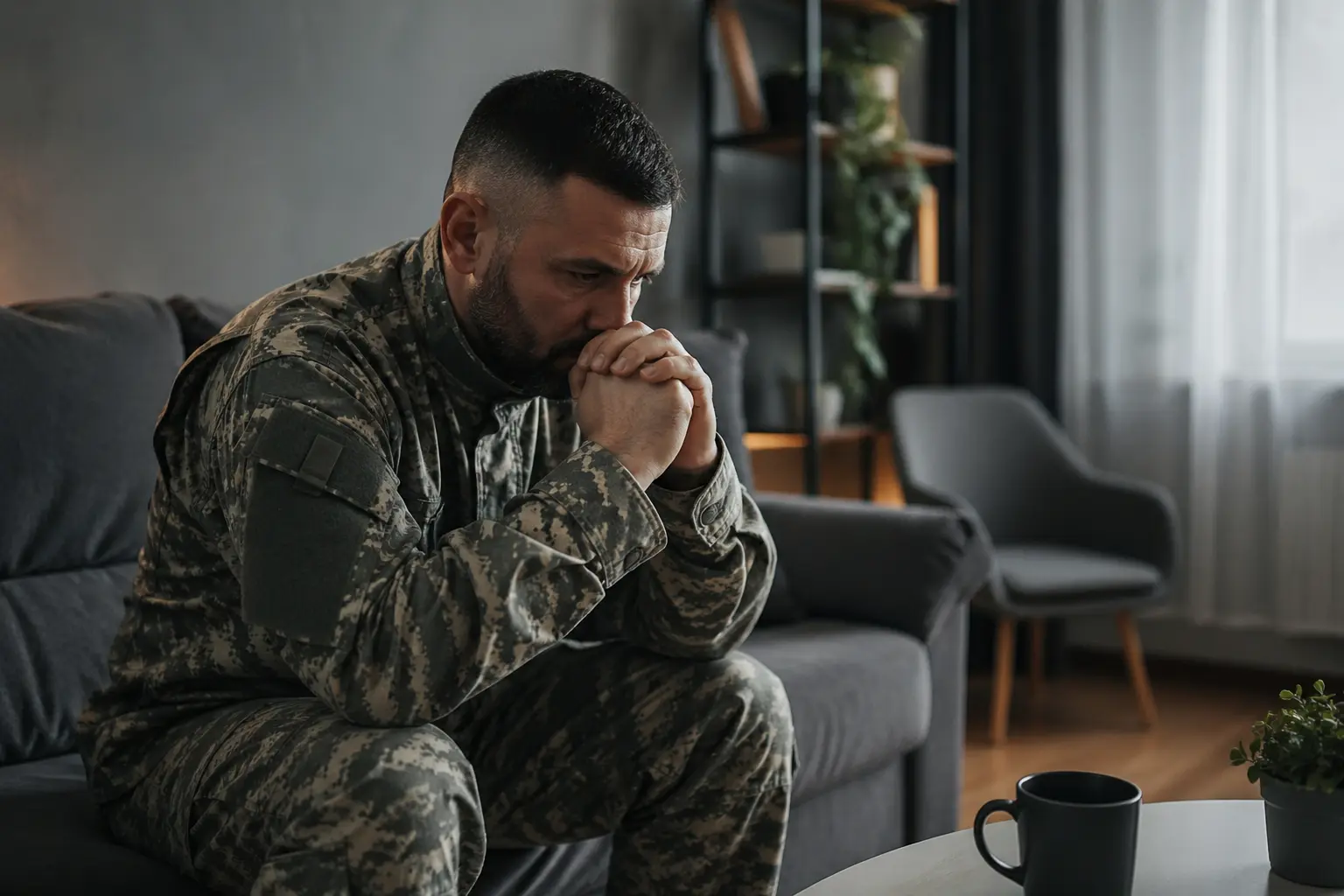
When war hits, women don’t just lose their homes or safety—they lose pieces of themselves, and the psychological effects war trauma leaves behind can reshape everything from how they sleep to how they trust, affecting every corner of their lives for years.
Understanding war trauma
War trauma, clinically referred to as combat-related stress or post-traumatic stress, describes the profound psychological consequences that emerge when individuals are exposed to extreme danger, violence, and loss during armed conflict. Women experience war differently than men, often facing distinct forms of exposure. Consider a woman who fled her village during active combat, witnessing violence against her community while simultaneously worrying about her children’s safety. She may have experienced direct threats, displacement, loss of loved ones, or sexual violence. These experiences create what researchers call a complex trauma profile. The brain’s threat-detection systems become hyperactive, essentially stuck in survival mode long after the immediate danger has passed. Understanding this distinction matters because treatment approaches must account for these gender-specific exposures and the layered nature of women’s war experiences.
Psychological effects on women
Women exposed to war trauma frequently develop post-traumatic stress disorder (PTSD), characterized by intrusive memories, avoidance behaviors, negative mood changes, and heightened startle responses. Beyond PTSD, depression often emerges as women struggle with persistent sadness, hopelessness, and loss of interest in activities they once enjoyed. Anxiety disorders manifest as constant worry, panic attacks, or social withdrawal. Picture a woman who survived bombardment but now cannot tolerate loud noises—fireworks, car backfires, or even slamming doors trigger panic responses. Her relationships suffer because she cannot explain why she flinches or withdraws. Work becomes difficult when concentration fails and fatigue overwhelms her. These conditions don’t exist in isolation; they interact and compound, creating a cascade of challenges that affect daily functioning, relationship quality, and overall life satisfaction. Early recognition of these patterns is essential for accessing appropriate support.
Biological responses to trauma
When women experience war trauma, their bodies mount a cascade of biological responses that extend far beyond emotional distress. The amygdala, the brain’s alarm center, becomes overactive, while the prefrontal cortex, responsible for rational thinking and emotional regulation, shows reduced activity. Stress hormones like cortisol and adrenaline flood the system repeatedly, keeping the body in a state of chronic activation. Over time, this dysregulation affects neurotransmitters like serotonin and dopamine, which govern mood and motivation. A woman might find herself exhausted yet unable to sleep, her nervous system unable to shift into rest mode. Her immune function weakens, making her susceptible to infections. Inflammation markers in her blood rise, contributing to long-term health risks. These aren’t psychological weaknesses; they’re measurable biological changes. Understanding this physiology helps explain why trauma survivors cannot simply ‘think positive’ their way to recovery. The body requires time, therapeutic intervention, and sometimes medication to recalibrate these systems.
- Seek professional help from mental health professionals specializing in trauma therapy such as those trained in trauma-focused cognitive behavioral therapy or eye movement desensitization and reprocessing.
- Practice self-care techniques such as mindfulness meditation, regular physical exercise, progressive muscle relaxation, and breathing exercises tailored to your comfort level.
- Engage in social support networks by connecting with trusted friends, family members, support groups, or community organizations that foster emotional connections and evidence-based coping mechanisms.
🔬 Science-backed benefits in 2 minuteschoose where to begin:
Gender differences in trauma responses
Research consistently shows that women and men experience and respond to war trauma differently, shaped by both biological factors and social contexts. Women are disproportionately exposed to sexual violence during conflict, a trauma type that carries distinct psychological consequences including shame, identity disruption, and complex relationship patterns. A woman who survived sexual assault during war may experience not only PTSD symptoms but also profound difficulty with intimacy and trust. Hormonal differences also influence trauma response; women’s estrogen fluctuations can amplify emotional reactivity and affect how trauma memories are processed. Socially, women often carry additional burdens: they may be primary caregivers for children or elderly relatives, adding layers of responsibility and worry to their own recovery. They may face stigma or rejection from their communities. These gendered experiences require treatment approaches that acknowledge both the biological and social dimensions of women’s trauma. Effective care recognizes that a woman’s recovery journey looks different from a man’s, requiring tailored therapeutic strategies.
Long-term effects on women’s health
War trauma’s impact extends well beyond the initial psychological injury, creating lasting physical health consequences that can persist for decades. Women who experienced war trauma show elevated rates of cardiovascular disease, with chronic stress contributing to high blood pressure, irregular heart rhythms, and increased risk of heart attack or stroke. Autoimmune disorders occur more frequently, as the dysregulated immune system begins attacking the body’s own tissues. Chronic pain syndromes emerge without clear physical cause, reflecting how trauma becomes embedded in the nervous system. A woman might develop persistent headaches, fibromyalgia, or gastrointestinal problems that confound medical providers unfamiliar with trauma’s somatic manifestations. Sleep disturbances lead to metabolic changes that increase diabetes and obesity risk. Reproductive health can be affected, with trauma influencing menstrual regularity and pregnancy outcomes. These long-term consequences underscore why addressing war trauma early and comprehensively matters so profoundly. The body keeps score, and untreated trauma accumulates into serious health burdens that compound over time.
Empowering women’s resilience
Despite the profound challenges posed by war trauma, research reveals that many women demonstrate remarkable resilience and capacity for meaningful growth following their experiences. Resilience doesn’t mean the trauma disappears or that suffering was worthwhile; rather, it reflects women’s ability to rebuild, find meaning, and reclaim agency in their lives. Women who access adequate support, therapeutic resources, and community connection often report not only symptom reduction but also deepened self-understanding and strengthened relationships. Empowerment comes through evidence-based treatments that restore a sense of control, through peer support that normalizes experiences, and through opportunities to contribute meaningfully to their communities. A woman might channel her experience into advocacy, supporting other survivors, or rebuilding her professional life. Therapeutic interventions combined with social support create conditions where healing becomes possible. This isn’t about ‘moving on’ or ‘getting over it,’ but rather integrating the experience into a larger life narrative where trauma no longer defines her entire identity or future.
War trauma significantly impacts women’s mental health, leading to conditions like PTSD, depression, and anxiety disorders that affect daily functioning and relationships. Understanding the biological responses to trauma, including changes in brain chemistry and stress hormones, and recognizing gender differences in trauma exposure and response is crucial for providing effective support and treatment for women affected by war trauma.
What are common psychological effects of war trauma on women?
Women who experience war trauma may develop conditions such as PTSD, depression, anxiety disorders, and other mental health issues. These conditions can manifest as intrusive memories, avoidance behaviors, persistent sadness, panic attacks, and difficulty concentrating, affecting daily functioning and relationships.
How can women address the long-term effects of war trauma on their health?
Women can address the long-term effects of war trauma on their health by seeking professional help from trauma-specialized mental health professionals, practicing self-care techniques such as mindfulness and exercise, engaging in social support networks, and accessing evidence-based therapies like trauma-focused cognitive behavioral therapy.
Others also read:
Disclaimer: This article is for informational purposes only and is not a substitute for professional medical advice. Always consult a healthcare professional for personal guidance.
This article has been prepared and reviewed by the GlobalHealthBeacon editorial team and is based on current medical research and published scientific literature available in 2026. It provides structured, evidence-based information to support informed health decisions.
← Back to the Main page on: psychological effects war trauma
