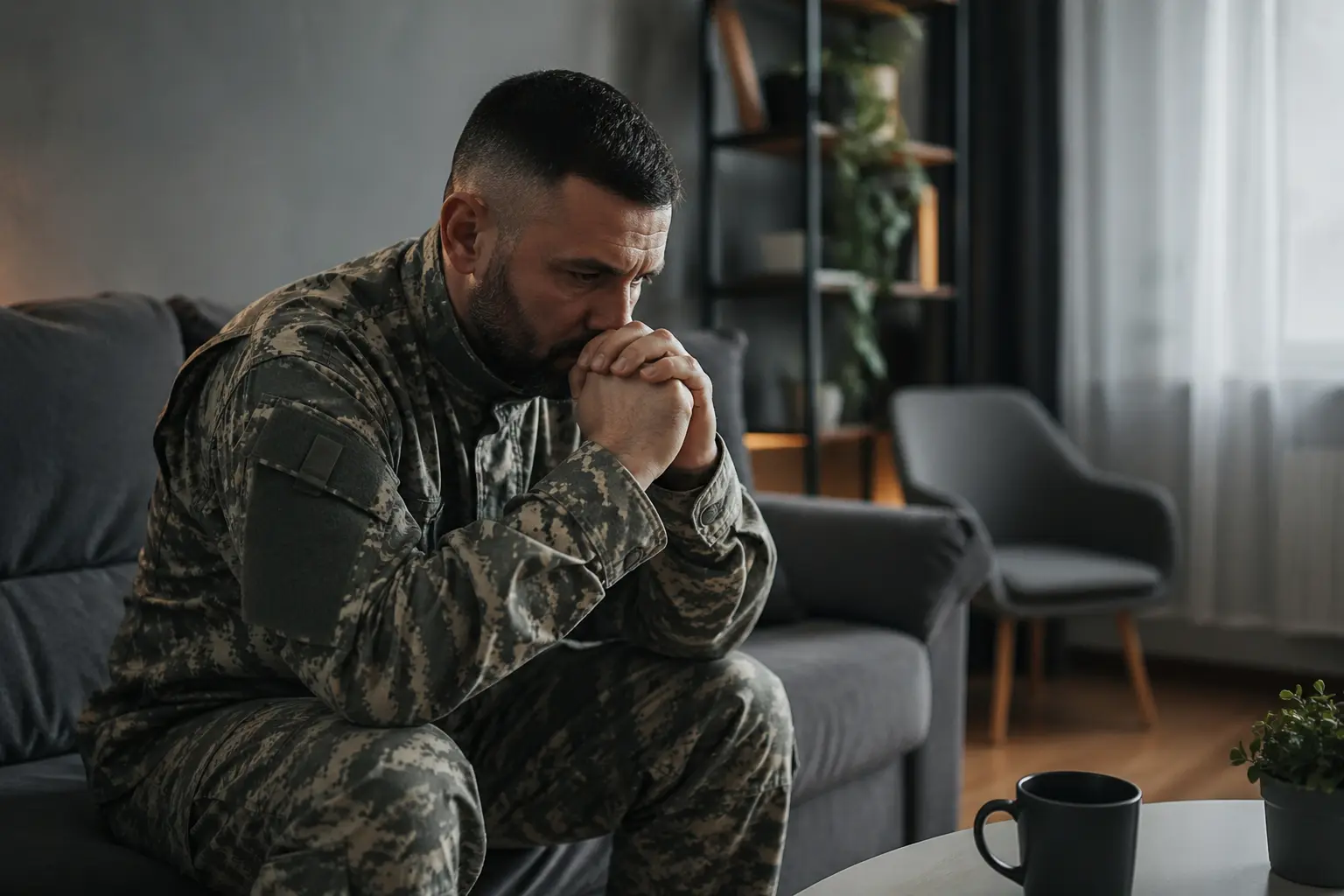
You’re waking up at 3 AM drenched in sweat from a nightmare you can’t shake, your heart pounding like it’s still in a war zone, and you have no idea how to make it stop or if you ever will – but the psychological effects war trauma leaves behind are more manageable than you think, and this guide will show you exactly how.
Recognizing the signs
War trauma doesn’t announce itself with a single symptom. Instead, it creeps in through multiple channels, and recognizing these patterns early is your first real defense. You might notice anxiety spiking without clear reason, or flashbacks that transport you back to moments you’d rather forget. Mood swings can make you feel like a different person day to day. Some young adults describe emotional numbness where nothing feels real anymore. Others experience hypervigilance, constantly scanning their environment for danger. Pay attention to how your body reacts too: tension headaches, stomach issues, or sleep disruption often accompany the psychological weight. A practical approach is to keep a simple log for two weeks, noting when these symptoms appear and what triggered them. This isn’t about self-diagnosis but about building awareness. If you notice a pattern of persistent distressing symptoms lasting more than a month, that’s your signal to reach out to a mental health professional who specializes in trauma.
- Monitor your emotions and reactions to triggers
- Seek professional help if you notice persistent distressing symptoms
- Practice mindfulness and grounding techniques to stay connected to the present moment
Building a support system
Isolation is trauma’s best friend, so your next move is deliberately building a network of people who get it or are willing to try. Start by identifying who in your life you trust enough to be honest with. This might be a close friend, family member, therapist, or a peer who’s experienced something similar. Real talk: not everyone will understand war trauma, and that’s okay. You’re looking for people who listen without judgment and don’t try to fix you with platitudes. Consider joining a support group specifically for young adults dealing with trauma. These spaces normalize what you’re experiencing and connect you with others walking the same path. If face-to-face feels too vulnerable right now, online communities exist where you can share anonymously. A therapist becomes part of this system too, someone trained to help you process experiences at your own pace. The key is consistency. Don’t just reach out in crisis moments. Build regular check-ins into your routine so support becomes woven into your life, not just a last resort.
📘 Fix your day in under 2 minuteschoose where to begin:
Engaging in self-care practices
Self-care isn’t bubble baths and candles, though those can help. For trauma recovery, it’s about deliberately choosing activities that regulate your nervous system and remind you that you’re safe. Physical movement matters more than you’d think. Exercise releases endorphins and gives your body a productive outlet for the stress it’s been holding. This could be walking, running, yoga, dancing, or any sport that feels good. Sleep becomes non-negotiable. Trauma disrupts sleep patterns, so creating a wind-down routine helps. Avoid screens an hour before bed, keep your room cool and dark, and consider white noise if hypervigilance keeps you alert. Nutrition affects mood and energy more than most people realize. Eating regular meals with protein and whole foods stabilizes your blood sugar and brain chemistry. Hobbies you actually enjoy matter too. Whether that’s music, art, gaming, cooking, or reading, these activities give your mind a break from processing trauma. The practice is simple: identify three self-care activities you genuinely like and commit to at least one daily. Track how you feel before and after. This builds evidence that you have agency in your recovery.
Exploring therapy options
Therapy for war trauma isn’t one-size-fits-all, so understanding your options helps you choose what fits. Cognitive Behavioral Therapy (CBT) works by identifying thought patterns trauma created and gradually changing how you respond to them. You might notice you catastrophize about safety, and CBT helps you reality-test those thoughts. Eye Movement Desensitization and Reprocessing (EMDR) uses bilateral stimulation while you process traumatic memories, which helps your brain reprocess and store them differently. Some people find relief faster with EMDR. Trauma-Focused Cognitive Behavioral Therapy (TF-CBT) specifically targets trauma and includes exposure work where you gradually face reminders of what happened. Somatic therapies focus on how trauma lives in your body and use movement and sensation to release it. A therapist trained in trauma will help you find the right fit. Your first session is often exploratory, not treatment. Be honest about what you’ve experienced and what you’re hoping to change. If the first therapist doesn’t click, try another. Therapy is a partnership, and you need someone you trust. Many therapists offer sliding scale fees or work with insurance, so cost shouldn’t be the barrier.
Practicing mindfulness and resilience
Mindfulness sounds abstract until you realize it’s just training your attention to stay in the present moment instead of replaying the past or fearing the future. Start small. A five-minute daily practice of noticing your breath, the sounds around you, or sensations in your body rewires your nervous system over time. Apps like Insight Timer or Calm offer guided meditations specifically for trauma and anxiety. Resilience isn’t about bouncing back unchanged. It’s about bending without breaking and finding meaning in what you’ve survived. Notice your strengths. Maybe you’re more empathetic now, or you understand what matters. Maybe you’re braver than you knew. Resilience builds when you acknowledge how far you’ve come, not just how far you have to go. Set small, achievable goals and celebrate them. Survived a difficult conversation without shutting down? That’s a win. Got through the day without a panic attack? That counts. Journaling helps too. Writing what you’re thinking and feeling gets it out of your head and onto paper where you can observe it without being consumed by it. Remember that healing isn’t linear. Some days will feel harder than others, and that doesn’t mean you’re failing. Progress is measured in months and years, not days.
This guide offers practical insights for young adults facing war trauma. From recognizing the signs and building a support system to engaging in self-care practices and exploring therapy options, these actionable steps can help navigate the complexities of psychological effects brought on by war trauma.
How can I tell if I’m experiencing war trauma?
War trauma may manifest as symptoms like anxiety, flashbacks, and mood swings. If you notice persistent distressing symptoms, it’s important to seek professional help and support.
Are there specific therapy options for addressing war trauma?
Therapy options such as cognitive behavioral therapy (CBT) and eye movement desensitization and reprocessing (EMDR) can be effective in addressing trauma-related symptoms and providing coping strategies.
Others also read:
Disclaimer: This article is for informational purposes only and is not a substitute for professional medical advice. Always consult a healthcare professional for personal guidance.
This guide has been prepared and reviewed by the GlobalHealthBeacon editorial team and reflects current medical research as of 2026. It provides structured, evidence-based information to support informed health decisions.
