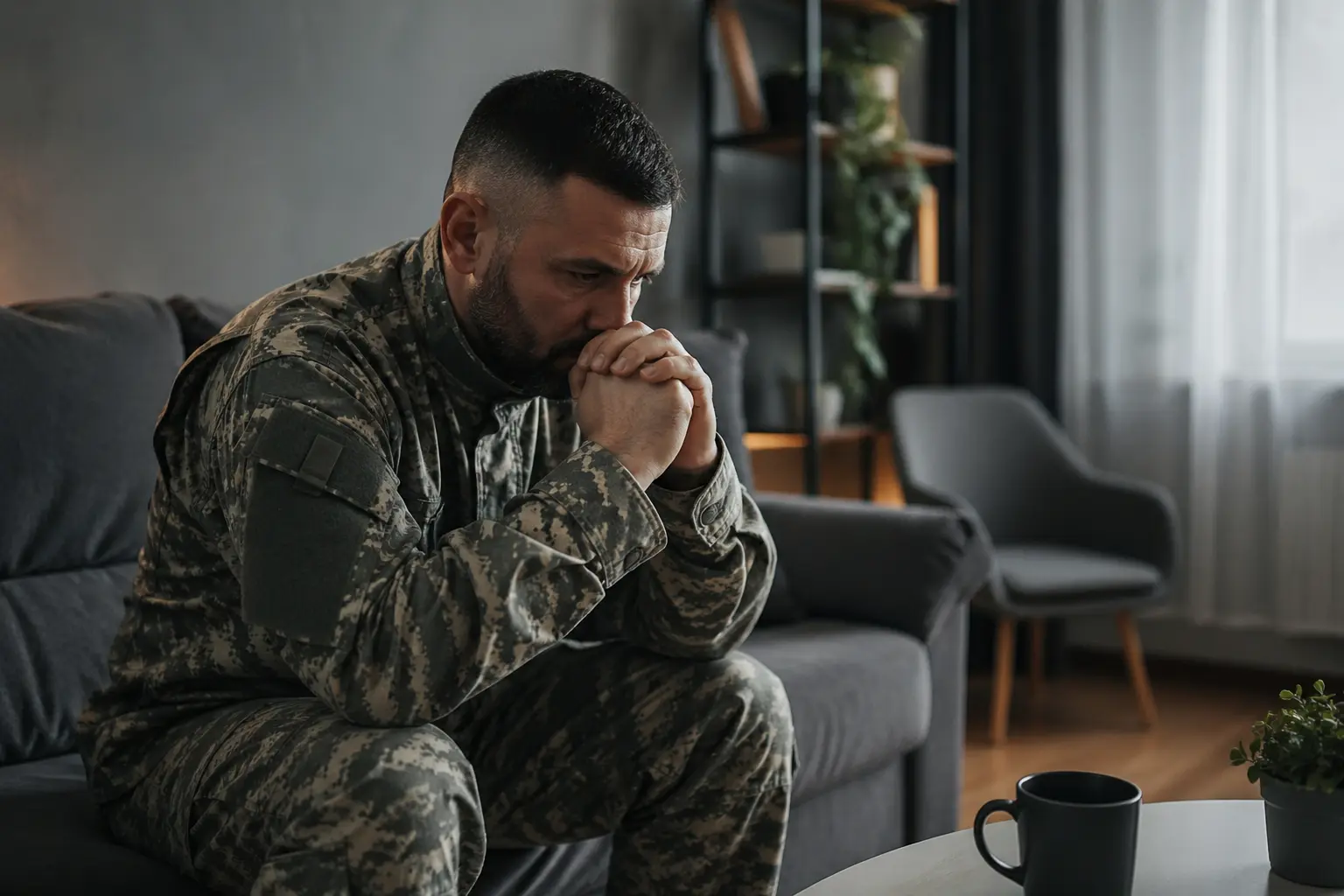
You wake up gasping from a nightmare you can’t quite remember, your heart pounding so hard you think it might break through your chest, and you realize that the psychological effects war trauma has left on you are still running the show months or years later.
The science behind psychological effects of war trauma
When a woman experiences war trauma, her brain undergoes measurable biological changes that go far beyond emotional distress. The amygdala, which processes fear and threat detection, becomes hyperactive, while the prefrontal cortex, responsible for rational thinking and emotional regulation, shows reduced activity. This neurological shift explains why a sudden loud noise or a particular smell can trigger an intense panic response even years after the traumatic event. Research using brain imaging has documented how these neural pathways become reinforced through repeated trauma exposure, creating what neuroscientists call sensitization. For women specifically, hormonal factors like estrogen levels can influence how the brain processes and stores traumatic memories, potentially making certain women more vulnerable to developing post-traumatic stress disorder. Understanding this biological foundation helps explain why trauma symptoms feel so involuntary and why recovery requires more than just willpower or positive thinking.
Identifying triggers and coping mechanisms
Triggers for war trauma operate on multiple sensory channels, and what sets off one woman might leave another completely unaffected. A woman who experienced shelling might find herself overwhelmed by fireworks on Independence Day, while another survivor might struggle with crowded spaces that remind her of refugee camps. Some triggers are obvious, but others are subtle and sneaky. A particular perfume, the way sunlight hits a building, or even a specific time of day can suddenly transport someone back to their worst moments. Once you start recognizing your personal triggers, you can begin building a toolkit of coping mechanisms. Breathing exercises like the 4-7-8 technique, where you breathe in for four counts, hold for seven, and exhale for eight, can calm your nervous system within minutes. Journaling, creative expression through art or music, physical movement like walking or dancing, and grounding techniques that engage your five senses have all shown measurable effectiveness in helping women manage the intensity of trauma responses when they arise.
Effective strategies to overcome war trauma
Overcoming war trauma is not a linear journey, and what works brilliantly for one woman might need adjustment for another. Trauma-focused cognitive behavioral therapy, specifically designed to help people process traumatic memories, has strong research support and helps many women gradually reduce the grip that trauma has on their daily life. Eye Movement Desensitization and Reprocessing, or EMDR, uses bilateral stimulation while you recall traumatic memories, and many women report significant symptom reduction after completing this protocol. Support groups create something irreplaceable: the experience of being truly understood by someone who has walked the same path. Sitting in a circle with other women survivors, hearing their stories, and sharing your own can dissolve the isolation that trauma creates. Mindfulness practices teach you to observe your thoughts and sensations without judgment, creating space between the trigger and your reaction. Some women find that combining professional therapy with regular yoga or tai chi, which integrates body awareness with gentle movement, accelerates their healing process. The key is finding the combination that resonates with your nervous system and your life circumstances.
- Seek professional help from trauma specialists
- Join support groups for survivors
- Practice mindfulness and relaxation techniques
🔬 Science-backed benefits in 2 minuteschoose where to begin:
Understanding the role of medication
Medication is not a magic solution, but for many women dealing with war trauma, it can be a crucial tool that makes therapy and daily functioning possible. Selective serotonin reuptake inhibitors, commonly called SSRIs, help regulate serotonin levels in the brain and have FDA approval specifically for PTSD treatment. These medications can reduce the intensity of intrusive thoughts, nightmares, and hypervigilance that keep many trauma survivors trapped in a state of constant alert. Anti-anxiety medications like benzodiazepines provide short-term relief during acute anxiety spikes, though they carry risks of dependence if used long-term. Some women benefit from beta-blockers, which dampen the physical panic response by slowing heart rate and reducing adrenaline surges. The decision to use medication is deeply personal and should involve careful discussion with a psychiatrist who understands trauma. Some women use medication as a bridge to stability while engaging in therapy, then gradually reduce it as their nervous system heals. Others find they need ongoing medication support. Neither approach is a failure; both represent informed choices about your own healing journey.
Challenges in finding appropriate solutions
The wellness industry is flooded with promises that sound too good to be true because they usually are. You might encounter claims that a specific supplement, app, or weekend retreat can erase trauma in weeks, but the scientific evidence simply does not support such rapid transformations. Trauma recovery is a process of gradually rewiring your nervous system, and that takes time. Some women fall into the trap of trying every new trending therapy, spending money and emotional energy on interventions with minimal research backing. Others become discouraged when their first attempt at therapy does not immediately resolve everything, not realizing that finding the right therapist and approach sometimes requires patience. The challenge is distinguishing between evidence-based interventions with genuine research support and overhyped solutions that exploit the desperation of people seeking relief. Cognitive behavioral therapy, EMDR, and certain medications have rigorous clinical trial data. Meditation and support groups have strong observational evidence. Be cautious of anything promising complete cure, instant results, or a one-size-fits-all solution.
Key considerations for women dealing with war trauma
Women survivors of war trauma often face compounded challenges that men may not experience in the same way. If you experienced sexual violence during conflict, which tragically affects many women in war zones, you may need trauma therapy that specifically addresses both combat trauma and sexual trauma, as these interact in complex ways. Body-based therapies can be particularly helpful for women whose trauma is stored in physical sensations and who may have complicated relationships with their own bodies. Gender-specific support groups create space to discuss how trauma intersects with womanhood, motherhood, identity, and societal expectations. Some women struggle with guilt about survival when others did not, or shame about decisions made under impossible circumstances. A trauma-informed therapist who understands the specific context of women’s experiences in war can help you process these layers of emotion. Additionally, if you are a mother, addressing your own trauma is essential because untreated trauma can affect your parenting and your children’s emotional development, making your healing journey important for your whole family.
War trauma leaves measurable changes in the female brain and nervous system, leading to challenges like PTSD, anxiety, and depression that require genuine understanding and evidence-based support. Effective recovery involves identifying personal triggers, working with trauma-specialized professionals, considering medication when appropriate, and building a personalized toolkit of coping strategies. Women face unique considerations related to gender-specific trauma, body-based healing, and societal pressures that deserve tailored support. While overhyped solutions promise quick fixes, real healing happens through consistent engagement with proven approaches like trauma-focused therapy, support communities, and mindfulness practices. Recovery is possible, though it requires patience, self-compassion, and often a combination of professional help and personal commitment.
Are all war trauma solutions equally effective for women?
No, effectiveness varies significantly based on individual factors including the type of trauma experienced, personal neurochemistry, cultural background, and life circumstances. A therapy approach that transforms one woman’s life might feel ineffective for another. This is why working with trauma specialists who can assess your specific needs and adjust treatment accordingly is crucial. Gender-specific considerations also matter, particularly if trauma involved sexual violence or affected your relationship with your body.
Can war trauma be completely cured with the right treatment?
Complete erasure of trauma memories is not realistic, but significant healing and symptom reduction absolutely is possible. Many women find that with effective treatment, traumatic memories lose their emotional charge and no longer control their daily life. You can reach a point where you remember what happened without being overwhelmed by it. However, ongoing self-care practices and sometimes continued professional support help maintain these gains long-term.
Others also read:
Disclaimer: This article is for informational purposes only and is not a substitute for professional medical advice. Always consult a healthcare professional for personal guidance.
This article has been prepared and reviewed by the GlobalHealthBeacon editorial team and is based on current medical research and published scientific literature available in 2026. It provides structured, evidence-based information to support informed health decisions.
← Back to the Main page on: psychological effects war trauma
