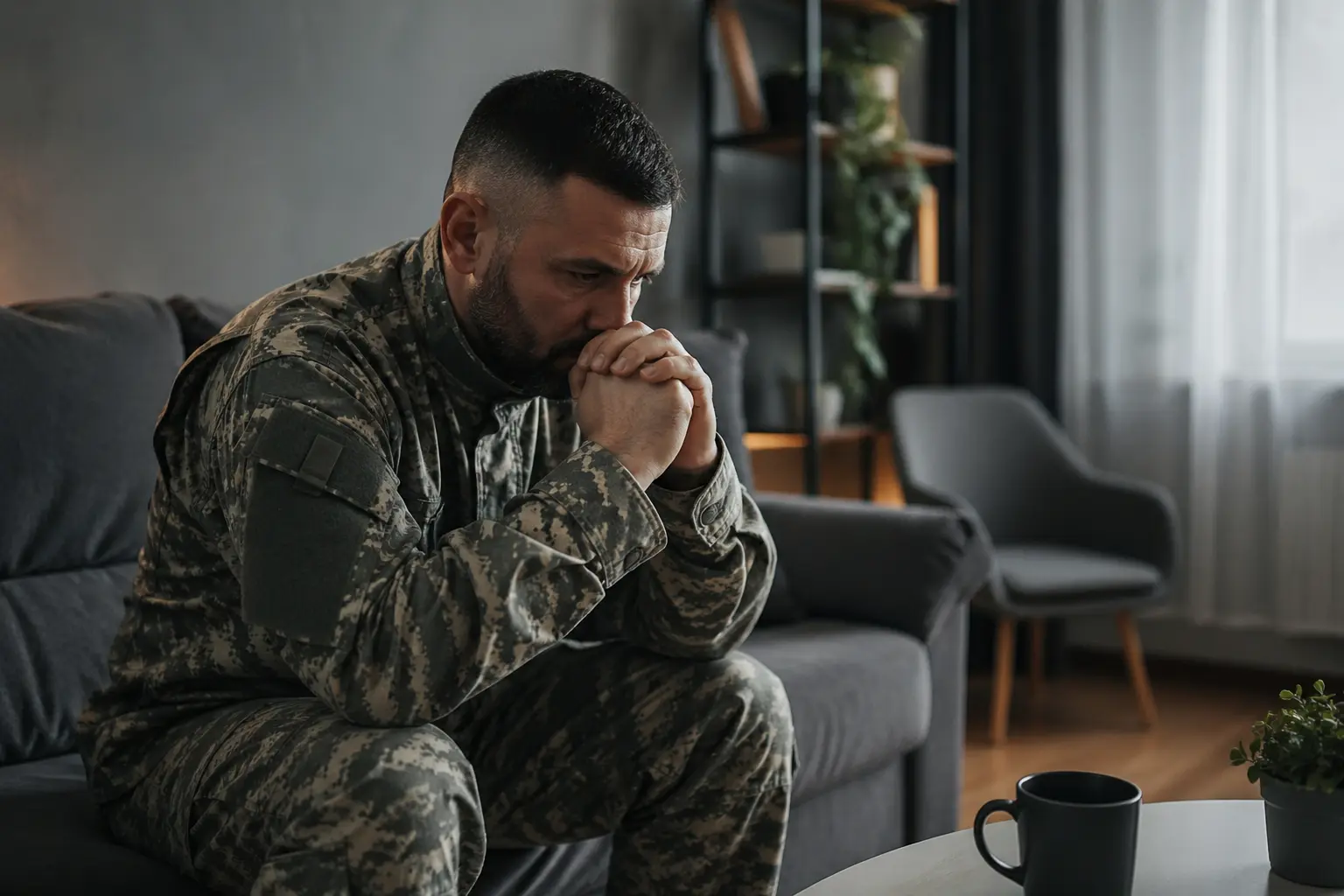
You wake up gasping at 3 a.m. again, drenched in sweat from a nightmare that felt completely real, and the psychological effects war trauma leaves behind make you wonder if you’ll ever feel safe in your own skin again.
Understanding war trauma effects on mental health
War trauma reshapes how a woman’s brain processes safety and danger. When you’ve lived through conflict, your nervous system stays on high alert, constantly scanning for threats that may no longer exist. Imagine walking into a grocery store and suddenly freezing because a car backfired outside, or flinching when someone touches your shoulder unexpectedly. These aren’t overreactions; they’re your mind’s way of trying to protect you based on what it experienced. PTSD, anxiety disorders, and depression develop because trauma literally rewires neural pathways. The constant sense of danger and loss you felt during wartime triggers intense emotional responses that can make it feel impossible to feel safe or at peace. Many women describe it as living with one foot in the past and one in the present, never fully grounded in either.
- Flashbacks and nightmares are common symptoms of war trauma
- Intense anxiety can lead to hypervigilance and panic attacks
- Social withdrawal and isolation are coping mechanisms for some women
Coping strategies and treatment options
Finding the right support is like assembling a toolkit that works specifically for you. Therapy, counseling, and support groups provide women with evidence-based tools to process what happened and rebuild trust in themselves. Cognitive-behavioral therapy helps you identify thought patterns that keep you trapped in fear, while exposure therapy gently guides you to confront memories in a safe environment so they lose their power over you. Consider a woman who couldn’t drive past a certain neighborhood without panic attacks; through gradual exposure work, she reclaimed that part of her city. Beyond formal therapy, practical strategies matter too: grounding techniques like the 5-4-3-2-1 sensory method, journaling to externalize intrusive thoughts, or finding a trusted friend to call during difficult moments. Support groups connect you with other women who truly understand because they’ve walked similar paths. The combination of professional help and community creates a safety net that makes healing feel less isolating.
💬 Ready to feel better in 2 minutes?choose where to begin:
Challenges in the recovery process
Recovery isn’t a straight line upward; it’s more like climbing a mountain with plateaus, unexpected descents, and sometimes feeling like you’re back at base camp. Setbacks happen when a triggering event, anniversary of trauma, or even a smell or sound unexpectedly pulls you backward. You might experience an emotional flashback where old feelings of helplessness flood back, making you question all the progress you thought you’d made. This is where patience with yourself becomes essential. A woman might do remarkably well for months, then experience a triggering incident that sends her spiraling into old patterns. The key is understanding that setbacks don’t erase progress; they’re part of the nonlinear healing journey. When you face these challenges, reaching out for support rather than isolating becomes crucial. Many women find that naming the setback, talking to their therapist, or connecting with their support group helps them move through it faster than they would alone.
Celebrating small victories and progress
Progress in trauma recovery often looks invisible to the outside world, which is why celebrating small wins matters so much. Maybe you slept through the night without nightmares, or you attended a social gathering without overwhelming anxiety, or you had a conversation about your experience without shutting down emotionally. These moments deserve recognition because they represent real neurological and emotional shifts. A woman might mark a calendar on days she doesn’t experience flashbacks, or journal about moments when she felt genuinely present with her children. Self-compassion becomes your greatest ally; treating yourself with the kindness you’d offer a dear friend facing similar struggles. Resilience isn’t about never falling; it’s about getting back up and honoring that effort. Recovery teaches you that you’re stronger than you knew, and acknowledging that strength, however quietly, fuels the next step forward.
War trauma can have lasting effects on women’s mental health, leading to conditions like PTSD and anxiety disorders. Coping strategies, therapy, and support groups play a crucial role in the recovery process, despite inevitable setbacks.
How long does it take to recover from war trauma?
Recovery from war trauma varies for each individual and can take months to years. The key is to be patient with oneself and seek professional help when needed.
Can women fully recover from the psychological effects of war trauma?
While the road to recovery may be challenging, many women can achieve significant healing and regain a sense of normalcy in their lives with the right support and treatment.
Others also read:
Disclaimer: This article is for informational purposes only and is not a substitute for professional medical advice. Always consult a healthcare professional for personal guidance.
This article presents an experience-based perspective and has been reviewed by the GlobalHealthBeacon editorial team in 2026. It provides structured, evidence-based information to support informed health decisions.
