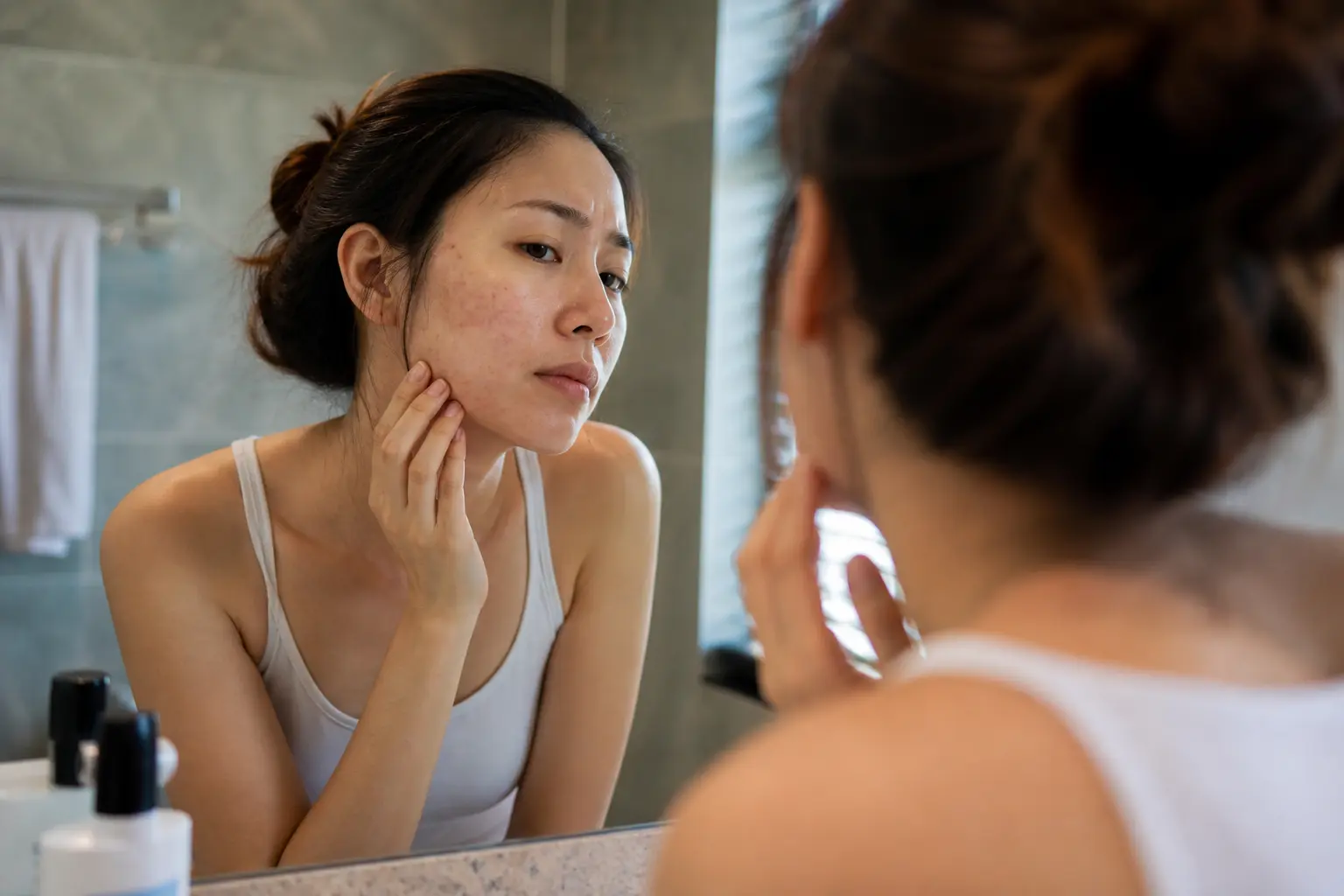
Breakouts won’t quit, your skin feels inflamed and angry, and nothing topical seems to work because the real problem is brewing inside your gut and the gut health skin connection nobody told you about.
Understanding the gut-skin connection
Your gut and skin are in constant conversation, and most women don’t realize it until breakouts or eczema flare-ups force them to pay attention. Research consistently shows that an imbalanced gut microbiome triggers inflammation throughout your body, which shows up on your face as acne, rosacea, eczema, or dull, reactive skin. Think of your gut lining as a barrier. When it’s healthy, it keeps harmful bacteria and toxins contained. When it’s compromised, these substances leak into your bloodstream, triggering immune responses that manifest as skin inflammation. This is why someone can use the most expensive skincare routine and still struggle with persistent breakouts. The real culprit lives in their digestive system. Women often experience this connection more intensely due to hormonal fluctuations that affect both gut bacteria and skin sensitivity. Understanding this link shifts your entire approach to skin health from surface-level treatments to root-cause solutions.
- A diet rich in fiber and probiotics can promote gut health and improve skin appearance.
- Maintaining a healthy gut-skin balance requires consuming prebiotics and avoiding processed foods.
- Drinking plenty of water and managing stress levels are also crucial for supporting gut and skin health.
Probiotics for gut-skin harmony
Probiotics are live beneficial bacteria that restore balance to your gut microbiome, and the skin improvements often follow within weeks. When you consume probiotic-rich foods or supplements, you’re essentially repopulating your gut with the good bacteria that processed foods and antibiotics have depleted. Picture this: a woman in her thirties who struggled with hormonal acne for years starts eating fermented foods daily. Within three weeks, her breakouts calm down, and within two months, her skin texture transforms. This isn’t coincidence. The probiotics reduced inflammation in her gut, which reduced the inflammatory signals being sent to her skin. Yogurt, kefir, sauerkraut, kimchi, and miso are practical daily additions. The key is consistency. One serving of yogurt won’t fix years of imbalance, but making fermented foods a regular habit creates lasting change. Look for products labeled with live and active cultures, and rotate between different probiotic sources to expose your gut to diverse beneficial strains.
📘 Fix your day in under 2 minuteschoose where to begin:
Fiber-rich foods for radiant skin
Fiber acts as a prebiotic, feeding the beneficial bacteria already living in your gut and creating an environment where they thrive. Without adequate fiber, even the best probiotics struggle to survive and do their job. Women who increase their fiber intake often report clearer skin within four to six weeks because fiber supports regular digestion, which means your body eliminates toxins more efficiently instead of reabsorbing them through your gut lining. Start by adding more fruits, vegetables, whole grains, and legumes to your meals. A practical example: swap white bread for whole grain, add beans to your salads, snack on berries and nuts, and include leafy greens at lunch and dinner. The goal is gradual increase to avoid digestive discomfort. Many women make the mistake of jumping from low fiber to high fiber overnight, which causes bloating and gas. Instead, add one fiber-rich food per week and drink extra water to help your digestive system adjust. This slow approach allows your gut bacteria to adapt while you build sustainable eating habits.
Hydration and stress management
Hydration flushes metabolic waste from your body and keeps your skin cells plump and functioning properly, but most women underestimate how much water they actually need. Beyond drinking water, managing stress is equally critical because chronic stress elevates cortisol, which triggers inflammation and disrupts your gut barrier. When you’re stressed, your digestion weakens, your gut bacteria become imbalanced, and your skin reacts. A realistic scenario: a woman working a demanding job notices her skin flares during high-stress periods, even when her diet is perfect. The solution involves both hydration and stress management. Aim for at least eight glasses of water daily, more if you exercise or live in a dry climate. For stress, choose practices that actually fit your life. Mindfulness doesn’t have to mean meditation. It could be a ten-minute walk, journaling, yoga, or even cooking. Adequate sleep is non-negotiable because your body repairs itself and rebalances hormones during sleep. Aim for seven to nine hours nightly, and notice how your skin improves when you prioritize rest.
Holistic approach for optimal gut-skin balance
True skin transformation happens when you address diet, hydration, stress, and sleep simultaneously rather than trying one tactic in isolation. Women who see the most dramatic improvements are those who commit to a comprehensive approach for at least eight to twelve weeks. This means building a routine that feels sustainable, not punishing. Start by choosing one area to focus on first. Maybe you begin with adding probiotics and fiber, then layer in better hydration, then tackle stress management. Rushing to change everything at once often leads to burnout. Track what you’re doing and how your skin responds. Keep a simple journal noting what you eat, your stress level, sleep quality, and skin condition. Patterns emerge quickly, and you’ll discover which changes have the biggest impact for your unique body. Remember that healing isn’t linear. You might see improvements, then a setback during your cycle or a stressful week. This is normal. The goal is progress over perfection. By treating your gut and skin as interconnected systems rather than separate problems, you’re investing in long-term wellness that shows up not just on your face, but in your energy, digestion, and overall health.
The gut health skin connection is real, and supporting it through probiotics, fiber-rich foods, proper hydration, and stress management creates lasting skin improvements. A holistic approach that integrates these elements helps you achieve clear, radiant skin while boosting your overall well-being.
Can gut health really affect the condition of my skin?
Yes, studies have shown a strong connection between gut health and skin appearance. An imbalance in the gut microbiome can lead to inflammation, which may manifest as acne, eczema, or other skin conditions.
How can probiotics help improve my skin?
Probiotics help restore the balance of good bacteria in the gut, which can have a positive impact on skin health. By supporting the gut microbiome, probiotics can promote clearer and healthier skin.
Others also read:
Disclaimer: This article is for informational purposes only and is not a substitute for professional medical advice. Always consult a healthcare professional for personal guidance.
This guide has been prepared and reviewed by the GlobalHealthBeacon editorial team and reflects current medical research as of 2026. It provides structured, evidence-based information to support informed health decisions.
