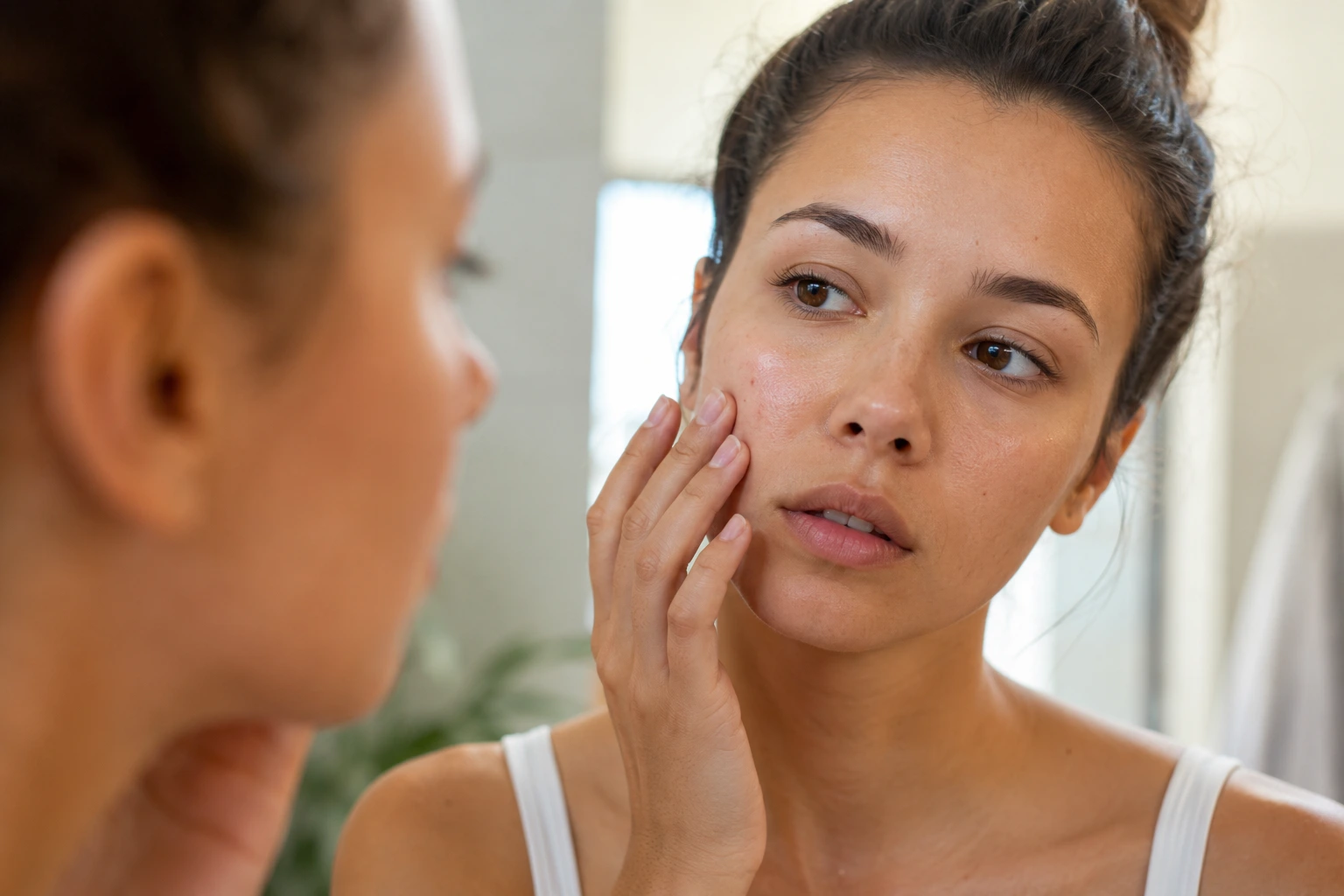
Your skin feels tight, looks angry red, and stings even when you splash water on it, and you’re exhausted trying to figure out what went wrong and how to build a skin barrier repair routine that actually works.
Understanding skin barrier repair
Picture this: you’ve been using every trendy product under the sun, thinking more is better. Then one day your skin starts rebelling. That tight, uncomfortable feeling? That’s your skin barrier sending an SOS. Repairing your skin barrier is about hitting pause and going back to basics. Think of your barrier like a brick wall protecting your skin. When it’s damaged, those bricks are scattered and the mortar is crumbling. Using gentle cleansers, hydrating serums, and barrier repair creams helps rebuild that protective layer. Start by choosing products that support rather than strip. A mild cleanser removes dirt without leaving your skin feeling squeaky. A hydrating serum with hyaluronic acid actually pulls moisture into your skin. And a barrier repair cream with ceramides or niacinamide fills in those gaps. Many young adults don’t realize that their skin barrier damage often comes from over-exfoliating or using too many actives at once. Incorporating these gentler products into your routine can transform how your skin looks and feels within weeks.
- Choose a mild cleanser that won’t strip your skin of its natural oils.
- Invest in a hydrating serum with ingredients like hyaluronic acid to boost moisture levels.
- Look for barrier repair creams containing ceramides or niacinamide to strengthen your skin’s barrier.
Key ingredients for skin barrier repair
When you’re standing in the skincare aisle feeling overwhelmed, knowing which ingredients actually matter can change everything. Ceramides are like the mortar between those bricks we talked about. They’re naturally found in your skin and help lock in moisture. Fatty acids work alongside ceramides to strengthen that protective wall. Niacinamide is the overachiever that soothes inflammation, reduces redness, and helps your skin produce more of its own protective oils. These components work together to replenish lipids and enhance skin barrier function. Real talk: you don’t need ten products with these ingredients. One good barrier cream with ceramides and niacinamide, plus a hydrating serum, can do the heavy lifting. Young adults often make the mistake of thinking they need to use every single ingredient separately. The truth is simpler. A well-formulated barrier repair product combines these elements strategically. When you incorporate ingredients like these into your routine consistently, you’re promoting skin health and building resilience that lasts.
💬 Ready to feel better in 2 minutes?choose where to begin:
Daily habits for skin barrier health
Your skincare routine is only half the battle. What you do outside the bathroom matters just as much. Think about your week: how many times are you exfoliating? If it’s more than twice, you’re likely damaging your barrier. Over-exfoliating is one of the biggest culprits behind barrier damage in young adults. Then there’s sun exposure. UV damage weakens your barrier and accelerates skin aging. A simple SPF 30 daily is non-negotiable. Your diet plays a role too. Foods rich in omega-3 fatty acids, antioxidants, and vitamins support skin health from the inside out. Salmon, walnuts, berries, and leafy greens aren’t just good for your body; they’re skin food. Stress and sleep deprivation also compromise your barrier’s ability to repair itself. When you’re running on fumes, your skin shows it. Consistent care and protection work together. You can use the best products available, but if you’re not protecting your skin from the sun or if you’re stressed and sleep-deprived, your barrier won’t fully heal.
Seek professional guidance
Sometimes despite your best efforts, your skin just isn’t improving. Maybe you’ve been following a solid routine for two months and you’re still dealing with persistent redness, sensitivity, or flaking. That’s when a dermatologist becomes your best friend. They can identify whether you’re actually dealing with a compromised barrier or if something else is going on, like eczema, rosacea, or a fungal issue. A dermatologist can provide personalized recommendations based on your specific skin type and concerns. They might suggest prescription treatments, professional treatments like laser therapy, or prescription-strength barrier repair products that you can’t get over the counter. Young adults sometimes feel like they should be able to fix their skin alone, but professional guidance isn’t giving up. It’s being smart. If you’ve invested weeks in a solid routine and you’re still struggling, consulting a professional can help you navigate the healing process effectively and avoid wasting more time and money on products that aren’t right for your situation.
Repairing a damaged skin barrier requires a gentle approach with the right products and habits. Ingredients like ceramides and niacinamide can aid in restoration, while healthy lifestyle choices contribute to long-term skin health. Seeking professional advice is advisable for persistent skin issues.
Can I use multiple barrier repair products at once?
It’s best to introduce one new product at a time to monitor how your skin reacts. Layering multiple barrier repair products can overwhelm the skin and lead to further irritation.
How long does it take to repair a damaged skin barrier?
The time frame for skin barrier repair varies depending on the severity of the damage and individual skin characteristics. Consistent use of gentle products and healthy habits can expedite the healing process.
Others also read:
Disclaimer: This article is for informational purposes only and is not a substitute for professional medical advice. Always consult a healthcare professional for personal guidance.
This article presents an experience-based perspective and has been reviewed by the GlobalHealthBeacon editorial team in 2026. It provides structured, evidence-based information to support informed health decisions.
