Your gums bleed when you floss, your breath smells off no matter how much you brush, and your dentist keeps mentioning that deep cleaning dental procedure like it’s inevitable – here’s what’s actually happening in your mouth and why it matters.
Understanding deep cleaning: a closer look
Deep cleaning, medically known as scaling and root planing, represents a targeted intervention for areas of your mouth that standard brushing simply cannot reach. Imagine your tooth as an iceberg: the visible crown is what you see in the mirror, but beneath the gum line lies the root, which can accumulate tartar and bacterial colonies if left unchecked. When plaque hardens into tartar, it becomes a fortress for bacteria that trigger inflammation and gum recession. This procedure specifically targets these subgingival zones, removing calcified deposits and smoothing root surfaces to eliminate bacterial hiding spots. For young adults, understanding this distinction matters because early intervention can prevent the progression from gingivitis, a reversible condition, to periodontitis, which involves irreversible bone loss. The science is straightforward: remove the irritant, allow healing, restore health.
Process of deep cleaning: step by step
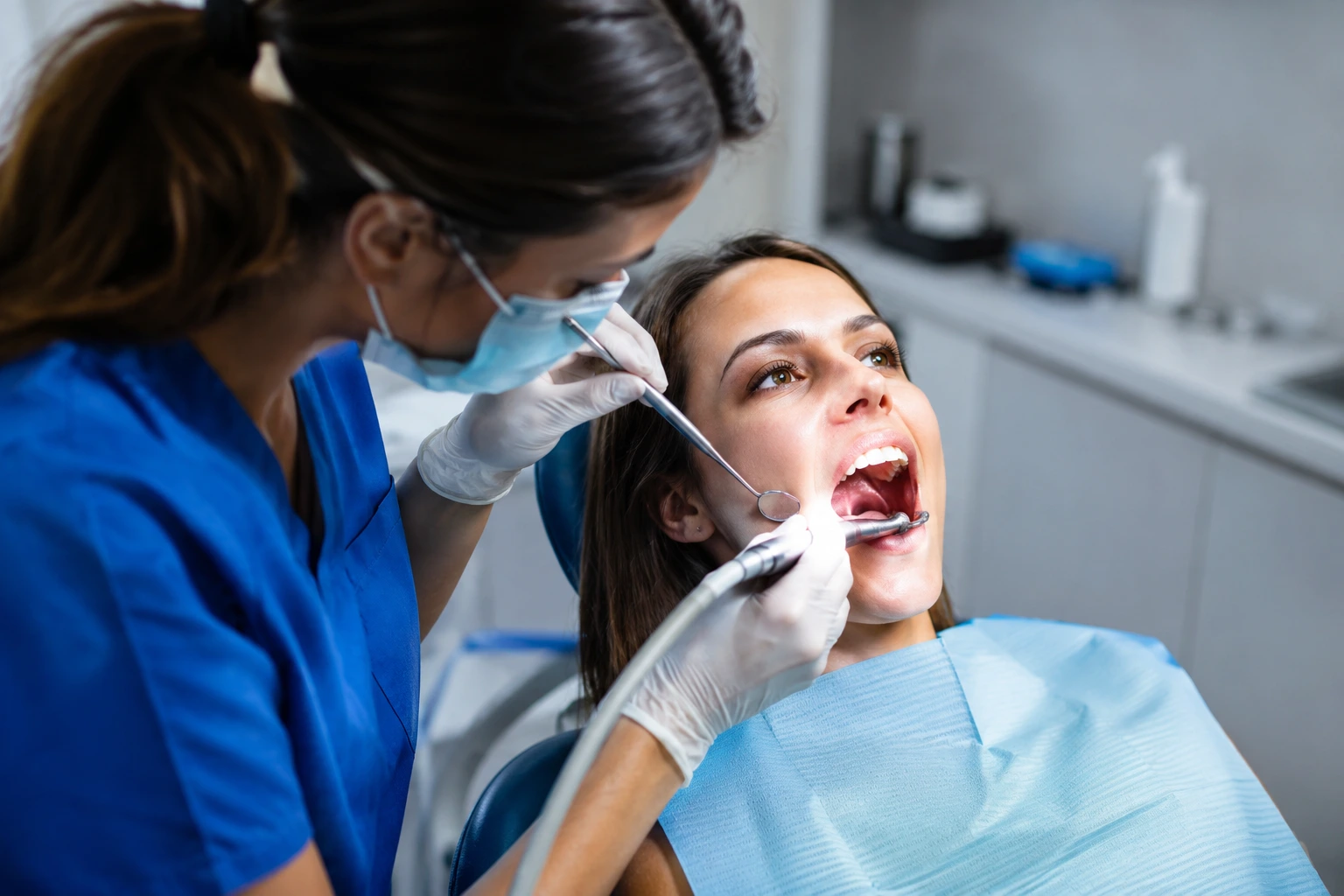
The deep cleaning process unfolds in a methodical sequence designed to thoroughly cleanse without causing unnecessary trauma. First, your dental professional applies local anesthesia to numb the area, ensuring comfort throughout the procedure. The scaling phase uses ultrasonic instruments or hand scalers to dislodge tartar from tooth surfaces and below the gum line, breaking apart the bacterial biofilm that has accumulated. Next comes root planing, where the provider smooths the root surface to eliminate irregularities where bacteria tend to colonize and to promote reattachment of gum tissue to the tooth. Some practitioners may apply antimicrobial agents or place antibiotic fibers into deeper pockets to enhance healing. The entire process typically targets specific quadrants of your mouth, sometimes completed over multiple appointments depending on severity. Think of it as deep cleaning your home: you cannot do it all at once effectively, so you work section by section, ensuring thoroughness.
Benefits of deep cleaning
The benefits of deep cleaning extend beyond immediate symptom relief. By removing bacterial biofilm and tartar, the procedure reduces inflammation markers in your gum tissue, allowing the immune system to regain control. This translates to reduced bleeding, decreased pocket depths, and halted bone loss progression. Many young adults report fresher breath within days as anaerobic bacteria responsible for odor are eliminated. Beyond oral benefits, research suggests that reducing oral bacterial load may have systemic implications, as periodontal pathogens can enter the bloodstream and trigger inflammatory responses elsewhere in the body. The procedure essentially resets your oral environment, giving your body a chance to heal and your daily hygiene efforts a chance to actually work. Long-term, consistent deep cleaning prevents tooth mobility, maintains your natural dentition, and avoids the cascading costs and complications of tooth loss.
- Remove tartar and plaque buildup from tooth surfaces and subgingival areas using ultrasonic or hand instruments
- Smooth out rough spots on the roots to eliminate bacterial adhesion sites and promote gum reattachment
- Administer local anesthesia for comfort and apply antimicrobial agents or antibiotic treatments if necessary to enhance healing
🔬 Science-backed benefits in 2 minuteschoose where to begin:
Maintaining oral health post deep cleaning
The deep cleaning procedure is not a permanent fix; it is a reset button that requires intentional maintenance afterward. Your gums are healing from inflammation and need protection during this window, typically the first two weeks post-procedure. This means being extra diligent with gentle brushing using a soft-bristled toothbrush, avoiding aggressive scrubbing that can irritate healing tissue. Flossing becomes non-negotiable, as it removes food and bacteria from interdental spaces where your toothbrush cannot reach. Many young adults underestimate the importance of this post-procedure phase, assuming the dentist has solved the problem permanently. In reality, your daily habits determine whether the benefits last months or years. Some practitioners recommend antimicrobial rinses temporarily to support healing. Regular follow-up appointments allow your dentist to monitor healing progress and catch any signs of recurring disease early, preventing the need for more invasive interventions down the road.
Frequency of deep cleaning
How often you need deep cleaning depends entirely on your individual risk profile and response to treatment. For many young adults with mild to moderate periodontal disease, dentists recommend deep cleaning every six months initially, then potentially spacing to annual cleanings if you maintain excellent home care and show stable gum health. However, some individuals with aggressive periodontitis or poor healing response may require cleanings every three to four months. Your dentist determines this frequency by measuring pocket depths, assessing bleeding patterns, and evaluating bone loss on radiographs. Think of it like car maintenance: a vehicle driven carefully on smooth roads needs less frequent servicing than one driven aggressively on rough terrain. Similarly, someone with genetic susceptibility to gum disease or who struggles with daily hygiene may need more frequent professional intervention. The goal is finding the minimum frequency that keeps your condition stable, preventing disease progression while respecting your time and resources.
Conclusion – prioritize your oral health
Understanding the biological mechanisms behind deep cleaning transforms it from something to dread into something to appreciate. Your mouth is not separate from your overall health; it is a gateway to your systemic wellbeing. The anxiety many young adults feel about dental procedures often stems from not understanding what is happening and why it matters. Now you know: deep cleaning removes the bacterial fortress that causes inflammation, gives your body a chance to heal, and resets your oral environment. The procedure itself is just one component of a larger strategy that includes your daily habits, regular professional monitoring, and lifestyle factors like stress management and nutrition. By taking this knowledge and applying it, you move from being a passive patient to an active participant in your oral health. Your future self will thank you for taking this seriously now, when intervention is simpler and more effective.
Deep cleaning, also known as scaling and root planing, is a specialized dental procedure that targets areas below the gum line to prevent gum disease and halt bone loss. By understanding the biological processes involved and following a proper oral hygiene routine combined with regular dental check-ups, young adults can maintain the results of a deep cleaning and build a foundation for long-term oral health.
Is deep cleaning painful?
Deep cleaning may cause some discomfort, but local anesthesia is typically applied before the procedure to numb the area and minimize pain. Some patients report mild pressure or vibration sensations during scaling, but actual pain is uncommon when anesthesia is used properly. Post-procedure sensitivity is normal and usually resolves within a few days.
How long does a deep cleaning procedure take?
The duration of a deep cleaning session varies depending on the extent of tartar buildup, the number of teeth affected, and the depth of periodontal pockets, but it typically takes between 1 to 2 hours. Some dental offices complete the entire mouth in one appointment, while others divide treatment into multiple sessions over several weeks to allow for proper healing between quadrants.
Others also read:
Disclaimer: This article is for informational purposes only and is not a substitute for professional medical advice. Always consult a healthcare professional for personal guidance.
This article has been prepared and reviewed by the GlobalHealthBeacon editorial team and is based on current medical research and published scientific literature available in 2026. It provides structured, evidence-based information to support informed health decisions.
