You’re juggling work, family, and your health, but somehow your doctor’s appointments keep slipping through the cracks and you have no idea if your blood pressure is climbing or your blood sugar is stable until something goes wrong, which is exactly why remote patient monitoring devices are changing the game for women who refuse to wait around for a crisis to take control.
Wearable devices for everyday wellness
Wearable devices have become the personal health assistant women never knew they needed. Imagine starting your day knowing exactly how well you slept, what your resting heart rate is, and whether stress is building up before you even feel it. These devices sit on your wrist or clip to your clothing, quietly collecting data about your body throughout the day and night. A woman managing her menstrual cycle can now track how her hormones affect her energy, mood, and physical performance. Another might notice that her heart rate spikes during certain times of day, giving her concrete evidence to discuss with her doctor. The real power comes from the patterns you spot over weeks and months. You start to understand your body’s unique rhythm, what triggers fatigue, and when you need to prioritize rest. Many devices send alerts directly to your phone if something seems off, giving you peace of mind and the ability to act before a small issue becomes a bigger problem.
- Monitor heart rate, steps taken, and calories burned effortlessly
- Receive personalized insights and alerts to maintain a healthy lifestyle
- Track menstrual cycles, fertility, and stress levels for comprehensive wellness monitoring
Smart scales for weight management
Smart scales do far more than just show you a number. They sync instantly with your phone and break down your weight into body fat percentage, muscle mass, bone density, and water weight, giving you a complete picture of what’s actually changing in your body. This matters because two women can weigh the same but have completely different body compositions. One woman might be building muscle while losing fat, which a regular scale would miss entirely. By seeing these details, you can adjust your approach without getting discouraged by the scale alone. Many smart scales track your progress over months, creating visual graphs that show trends rather than daily fluctuations. This helps you stay motivated because you can see the bigger picture instead of obsessing over small daily changes. Some scales also connect with fitness apps and nutrition trackers, creating a complete ecosystem where all your health data lives in one place. This integration makes it easier to spot connections between what you eat, how you exercise, and how your body responds.
📘 Fix your day in under 2 minuteschoose where to begin:
Blood pressure monitors for hypertension management
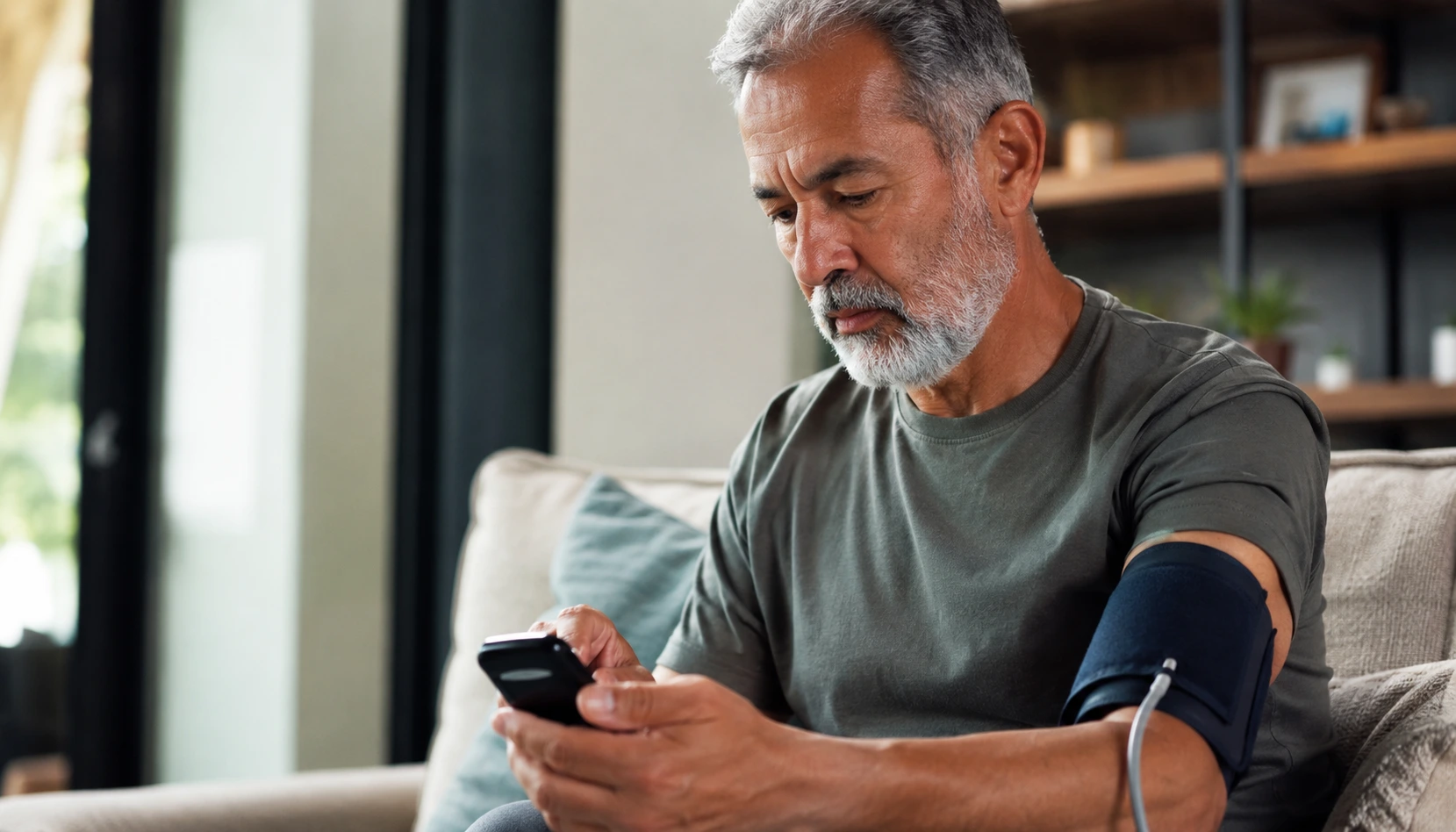
High blood pressure often sneaks up on women without any warning signs, which is why home monitoring has become essential for early detection and management. A woman might feel completely fine while her blood pressure climbs dangerously high, putting her at risk for heart disease and stroke. By taking readings at home regularly, you build a personal database that shows your doctor real patterns instead of just one snapshot during an office visit. Many women experience white coat syndrome, where their blood pressure spikes simply from being in a doctor’s office, so home readings give a more accurate picture of your actual baseline. Modern blood pressure monitors are small, easy to use, and some connect to your phone to store readings automatically. You can track how different factors affect your numbers: stress, sleep, salt intake, caffeine, and exercise. This information helps you and your doctor make informed decisions about lifestyle changes or medication adjustments. Regular monitoring also builds accountability and helps you see the direct impact of your choices on your health.
Glucose meters for diabetes care
Managing diabetes requires constant vigilance, but glucose meters have made it possible to understand your blood sugar patterns in ways that were impossible just a decade ago. A woman with diabetes can now test her levels multiple times a day without the hassle of traditional meters, and many modern devices store hundreds of readings with timestamps. This data reveals exactly how different foods, stress levels, exercise, and sleep affect her blood sugar. Maybe she discovers that her favorite breakfast sends her blood sugar soaring, or that a 20-minute walk after meals keeps her levels stable. Armed with this knowledge, she can make adjustments that actually work for her life instead of following generic guidelines. Continuous glucose monitors take this further by tracking levels throughout the day and night, sending alerts if she’s trending too high or too low. This technology gives women with diabetes the freedom to live more normally, knowing they have real-time information about their body’s response to everything they do. The convenience and accuracy mean better control, fewer complications, and less anxiety about managing a chronic condition.
Telehealth platforms for remote consultations
Telehealth removes the barriers that often keep women from getting the care they need. No more taking time off work, arranging childcare, sitting in waiting rooms, or waiting weeks for an appointment. A woman can video call her doctor from home during her lunch break, discuss symptoms without the pressure of a ticking clock, and get prescriptions sent directly to her pharmacy. This is particularly valuable for sensitive health topics where some women feel more comfortable speaking openly in their own space. Telehealth platforms also make it easier to access specialists, especially for women in rural areas where options are limited. You can consult with a cardiologist, endocrinologist, or gynecologist without traveling hours. Many platforms integrate with remote monitoring devices, so your doctor can see your recent readings before your appointment, making the conversation more productive. Follow-up care becomes simpler too, with the ability to check in without scheduling another full appointment. For women managing multiple health conditions or taking several medications, this accessibility means better coordination of care and fewer gaps in treatment.
Remote patient monitoring devices empower women to take active control of their health by providing real-time data, personalized insights, and convenient access to care. From wearable devices that track daily wellness to blood pressure monitors and glucose meters that manage chronic conditions, these tools help you understand your body and make informed decisions. Telehealth platforms complete the picture by connecting you with healthcare providers whenever you need guidance. Together, these solutions create a comprehensive approach to health management that fits into your life.
Are remote patient monitoring devices covered by insurance?
Insurance coverage for remote patient monitoring devices varies by provider and plan. It’s recommended to check with your insurance company to determine what is included in your policy.
Do remote monitoring devices require a prescription?
Some remote monitoring devices may require a prescription, especially if they are used to monitor specific health conditions like diabetes or hypertension. Consult with your healthcare provider to determine the best options for your needs.
Others also read:
Disclaimer: This article is for informational purposes only and is not a substitute for professional medical advice. Always consult a healthcare professional for personal guidance.
This guide has been prepared and reviewed by the GlobalHealthBeacon editorial team and reflects current medical research as of 2026. It provides structured, evidence-based information to support informed health decisions.
