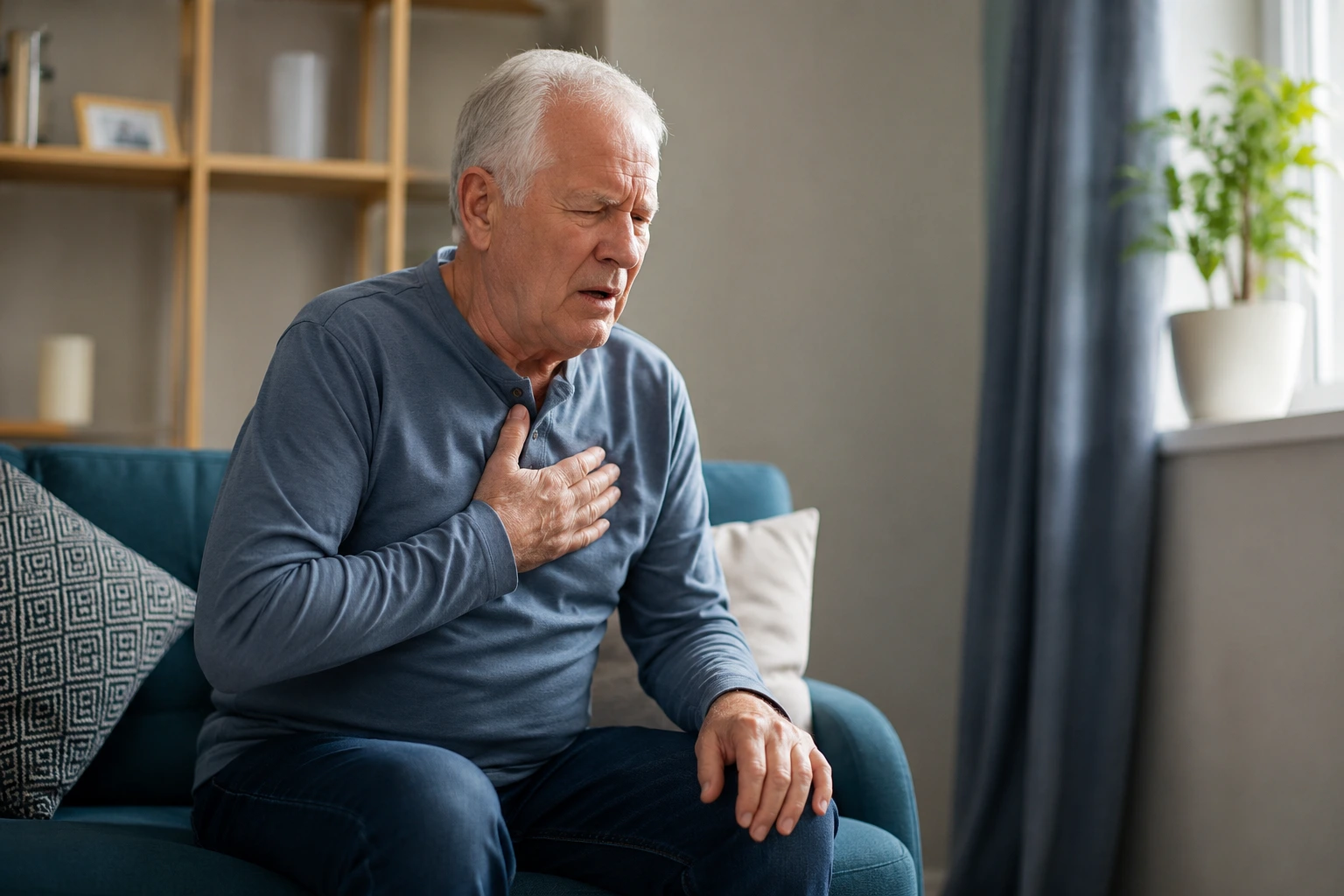
You’re catching your breath after climbing stairs, feeling that tightness in your chest, wondering if something’s seriously wrong – and the diagnosis hits: COPD, a condition you thought only affected older smokers – but here you are, young and struggling, and this guide breaks down copd explained simply so you can actually take control instead of feeling helpless.
Understanding COPD
Chronic Obstructive Pulmonary Disease isn’t a single condition but rather a collection of lung problems that narrow your airways and make breathing progressively harder. Think of it like this: your lungs have tiny air sacs that exchange oxygen for carbon dioxide, but with COPD, inflammation and mucus buildup block these pathways. Emphysema damages the walls of these air sacs, while chronic bronchitis inflames the tubes that carry air. Young adults often get diagnosed after years of undiagnosed symptoms or exposure to environmental irritants, not just smoking. The key is recognizing early warning signs like persistent cough, shortness of breath during normal activities, or wheezing. Understanding what’s happening inside your lungs helps you make informed decisions about treatment and lifestyle changes that actually slow progression.
- Know your COPD triggers to prevent exacerbations
- Seek medical advice for proper diagnosis and treatment
- Quit smoking to slow down disease progression
Best COPD medications
COPD medications work on different mechanisms to keep your airways open and reduce inflammation. Bronchodilators are your frontline defense, either short-acting for quick relief during flare-ups or long-acting for daily maintenance that keeps symptoms at bay throughout the day. Inhaled corticosteroids reduce airway inflammation and mucus production, especially helpful if you experience frequent exacerbations. Phosphodiesterase-4 inhibitors target inflammation at a cellular level and are often prescribed for chronic bronchitis symptoms. A young adult might start with a single long-acting bronchodilator, then add a corticosteroid if symptoms persist despite lifestyle changes. The combination approach is common because different medications address different aspects of the disease. Your pulmonologist will adjust your regimen based on how you respond, so what works for someone else might not be your ideal combination. Always use your rescue inhaler correctly and track when you need it most, as increased rescue use signals that your maintenance therapy needs adjustment.
📘 Fix your day in under 2 minuteschoose where to begin:
Pulmonary rehabilitation
Pulmonary rehabilitation is structured like physical therapy but specifically designed for lung disease, combining supervised exercise, breathing techniques, and education about your condition. A typical program runs 8 to 12 weeks with sessions two to three times weekly, where you’ll work with respiratory therapists and exercise specialists who understand COPD limitations. You might start with low-intensity treadmill walking or stationary cycling, gradually building endurance as your body adapts. Beyond exercise, you’ll learn pursed-lip breathing to slow your exhalation and keep airways open longer, and diaphragmatic breathing to use your core muscles more efficiently. Many young adults are surprised how much their confidence improves when they realize they can climb stairs or walk distances without becoming incapacitated. Nutritional counseling helps you maintain healthy weight, which reduces strain on your respiratory system. The psychological support component addresses anxiety and depression that often accompany chronic illness, helping you stay motivated for long-term management.
Oxygen therapy
Oxygen therapy becomes necessary when your blood oxygen levels consistently drop below safe thresholds, typically measured by pulse oximetry or arterial blood gas testing. For young adults with severe COPD, supplemental oxygen during activity or sleep can dramatically improve your ability to function and prevent organ damage from chronic low oxygen. There are several delivery options: stationary concentrators for home use, portable tanks for mobility, or liquid oxygen systems that offer more freedom for active individuals. Many people worry oxygen therapy signals disease progression, but it’s actually a tool that extends your independence and quality of life. You might use it only during exercise initially, then progress to continuous use as your condition evolves. Proper fitting and consistent use are critical because inadequate oxygen delivery defeats the purpose, while overuse can suppress your natural breathing drive. Young adults often benefit from portable systems that let them maintain work and social activities without feeling tethered to home.
Surgical options
Surgical interventions are reserved for advanced COPD cases where medications and rehabilitation have reached their limits. Lung volume reduction surgery removes the most damaged portions of your lungs, allowing healthier tissue to expand and function more efficiently, though it’s major surgery with significant recovery time. Bronchoscopic valves offer a less invasive alternative, using small one-way valves inserted through your airways to block damaged lung sections without open surgery. Lung transplantation is considered only for end-stage disease when life expectancy without it is severely limited, and it requires lifelong immunosuppression. Young adults with advanced COPD might be candidates for these procedures if they’ve optimized all other treatments and meet strict criteria. The decision involves weighing risks against potential quality-of-life improvements, often requiring consultation with specialized centers experienced in these procedures. Even if surgery isn’t currently appropriate, understanding these options helps you appreciate the full spectrum of available interventions and motivates aggressive management of earlier-stage disease.
Others also read:
Disclaimer: This article is for informational purposes only and is not a substitute for professional medical advice. Always consult a healthcare professional for personal guidance.
This guide has been prepared and reviewed by the GlobalHealthBeacon editorial team and reflects current medical research as of 2026. It provides structured, evidence-based information to support informed health decisions.
