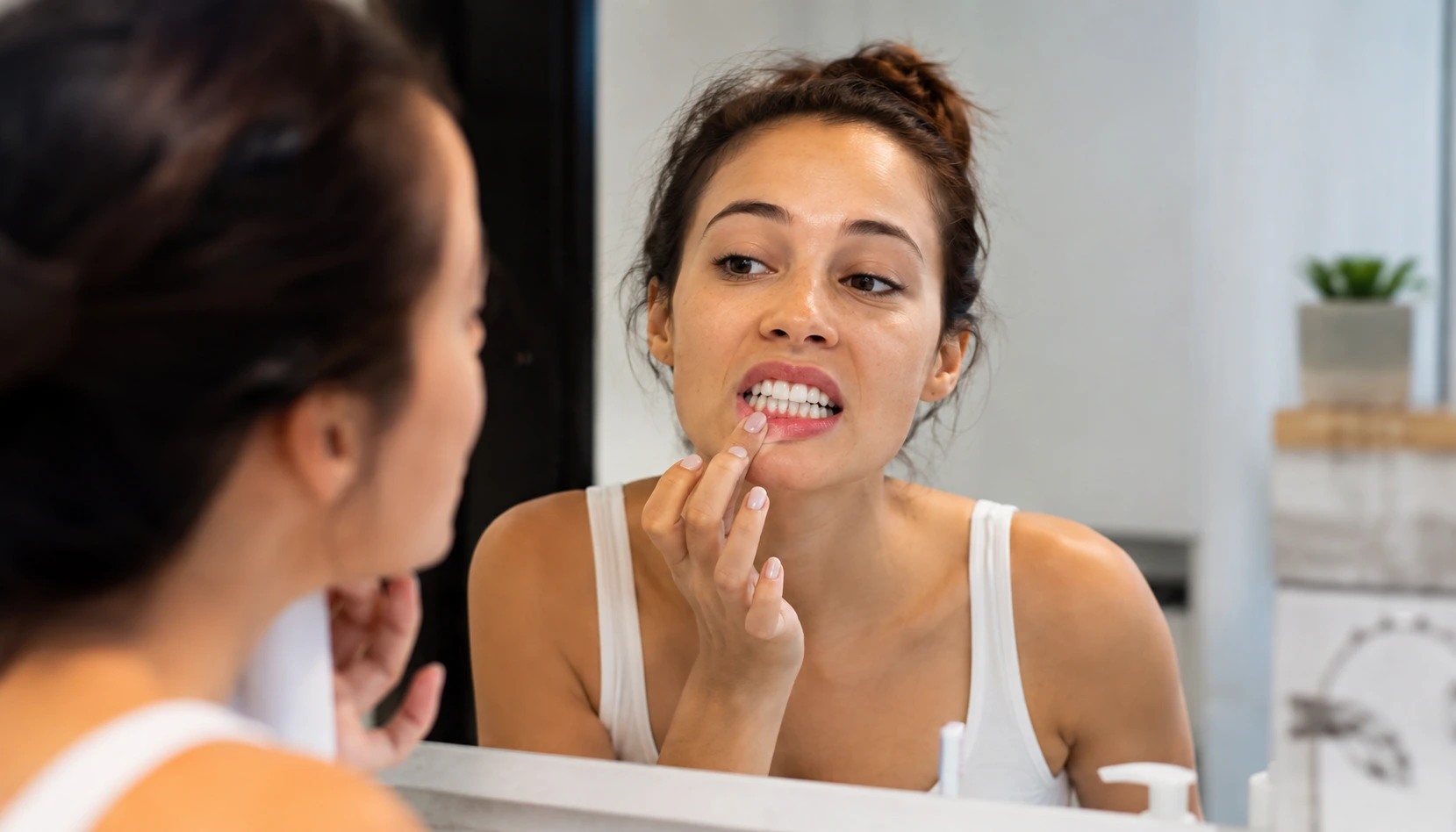
Tired of hiding your smile because your teeth look dull and stained? You’re not alone, and the good news is that teeth whitening safety doesn’t have to be complicated or risky when you know what actually works.
DIY whitening kits: are they safe?
DIY whitening kits flood the market with promises of Hollywood-grade results from your bathroom sink. The appeal is real: they’re affordable, convenient, and you control the timeline. But here’s where teeth whitening safety enters the picture. Many at-home kits contain peroxide concentrations that can irritate your gums or weaken enamel if overused. Consider Sarah, a 34-year-old who used a popular strip kit daily for three weeks and ended up with sensitive teeth that lasted months. The mistake? She didn’t read the instructions carefully and assumed more frequent use meant faster results. Before starting any DIY whitening, examine the ingredient list for hydrogen peroxide or carbamide peroxide percentages. Lower concentrations (under 10 percent) are gentler but may require longer treatment periods. Always follow the manufacturer’s instructions exactly, use the provided trays or strips as directed, and never extend treatment beyond the recommended duration. Most importantly, schedule a pre-whitening consultation with your dentist to rule out cavities or gum disease that could be aggravated by whitening agents.
- Check the ingredients for potential irritation or sensitivity
- Follow the instructions carefully to avoid damaging your enamel
- Consult with your dentist before starting any DIY whitening treatment
Professional whitening treatments: the gold standard
Professional whitening treatments administered by dentists represent the most effective and safest approach to teeth whitening safety. In-office procedures use higher concentrations of bleaching agents, typically 25 to 40 percent hydrogen peroxide, but they’re applied under professional supervision with protective barriers for your gums and lips. The process usually takes 30 to 90 minutes, and results appear immediately. Women often choose professional treatments because they deliver visible whitening in a single session and the results last longer, typically six months to two years depending on lifestyle habits. During a professional treatment, your dentist isolates your teeth, applies the whitening gel, and may use a special light to activate it. They monitor your comfort throughout and can adjust the formula if sensitivity occurs. Take Jennifer, a 42-year-old who tried three different DIY kits over six months with minimal results before visiting her dentist. After one professional session, her teeth were noticeably whiter, and she felt confident again. The investment was higher upfront, but the longevity and reliability made it worthwhile. Professional treatments also allow your dentist to identify underlying issues like enamel erosion or existing stains that whitening alone won’t fix.
📘 Fix your day in under 2 minuteschoose where to begin:
Natural whitening remedies: fact or fiction?
Natural whitening remedies like activated charcoal, baking soda, and oil pulling have gained popularity among women seeking gentler alternatives. The appeal is understandable: these ingredients feel safer because they’re natural. However, teeth whitening safety requires honest evaluation of the science. Activated charcoal is abrasive and can scratch enamel with repeated use, potentially making teeth look more yellow over time as the protective enamel wears away. Baking soda is less abrasive but has minimal whitening power on its own. Oil pulling, an ancient practice involving swishing coconut oil in your mouth, lacks scientific evidence for whitening effectiveness. That said, some natural approaches have merit when used carefully. Baking soda mixed with a small amount of hydrogen peroxide creates a mild paste that can help remove surface stains without aggressive scrubbing. Limiting staining foods and drinks like coffee, red wine, and dark berries naturally prevents discoloration. The key is understanding that natural doesn’t automatically mean safer or more effective. If you choose natural remedies, use them sparingly, avoid daily application, and monitor your teeth for sensitivity or enamel damage. Your dentist can assess whether natural methods are appropriate for your specific dental health situation.
Whitening toothpaste and strips: do they work?
Whitening toothpaste and strips occupy the middle ground between DIY kits and professional treatments. They’re accessible, affordable, and require minimal effort, making them attractive to busy women. Whitening toothpastes contain mild abrasives and chemical agents that remove surface stains but don’t change the intrinsic color of your teeth. They work best on external discoloration from coffee, tea, or smoking. Results are subtle and gradual, typically taking weeks to notice any difference. Whitening strips are thin, flexible plastic coated with a low-concentration bleaching gel that adheres to your teeth. You wear them for 20 to 30 minutes daily for 7 to 14 days. They’re more effective than toothpaste because the gel maintains contact with your teeth longer, but results are still modest compared to professional treatments. Emma, a 28-year-old, used whitening strips before her wedding and saw noticeable improvement after 10 days of consistent use. However, she experienced mild sensitivity and had to switch to sensitive-teeth toothpaste during treatment. The strips worked for her timeline and budget, but she understood they weren’t a permanent solution. For teeth whitening safety with these products, avoid overuse, follow package directions precisely, and discontinue if sensitivity becomes uncomfortable. They’re ideal for maintenance after professional whitening or for mild staining, but unrealistic expectations can lead to disappointment.
Maintaining a bright smile: tips and tricks
Whitening your teeth is just the beginning. Maintaining results requires consistent habits and smart lifestyle choices. After any whitening treatment, your teeth are more porous and susceptible to staining for 24 to 48 hours, so avoid dark beverages, red wine, berries, and dark sauces during this window. Brush twice daily with a soft-bristled toothbrush and fluoride toothpaste to remove surface stains before they set in. Floss daily to prevent plaque buildup between teeth, which dulls appearance. Consider using a whitening mouthwash as part of your routine, though these are gentler than treatments and provide minimal additional whitening. Drink water after meals and staining beverages to rinse your mouth. If you smoke, quitting will dramatically improve and preserve whitening results. Schedule touch-up treatments every six to twelve months, depending on your whitening method and lifestyle. Michelle, a 39-year-old, invested in professional whitening and now maintains results with quarterly touch-ups and consistent oral hygiene. She also switched her morning coffee habit to drinking it through a straw to minimize contact with her teeth. These small adjustments keep her smile bright without requiring frequent expensive treatments. Your dentist can recommend a personalized maintenance plan based on your teeth’s natural shade, your habits, and your chosen whitening method.
Exploring the safety of various teeth whitening methods is essential for women looking to enhance their smile. From DIY kits to professional treatments, understanding the pros and cons of each option can help you make an informed choice. Remember to prioritize safety and consult with your dentist for personalized advice.
Are teeth whitening treatments safe for women?
Most teeth whitening treatments are safe for women when used as directed. It’s important to follow the instructions carefully and consult with your dentist to ensure the best results.
What is the most effective whitening method for women?
The most effective whitening method for women varies depending on individual preferences and dental health. Professional whitening treatments are often recommended for long-lasting results, but DIY kits and natural remedies can also be safe and effective.
Others also read:
Disclaimer: This article is for informational purposes only and is not a substitute for professional medical advice. Always consult a healthcare professional for personal guidance.
This guide has been prepared and reviewed by the GlobalHealthBeacon editorial team and reflects current medical research as of 2026. It provides structured, evidence-based information to support informed health decisions.
