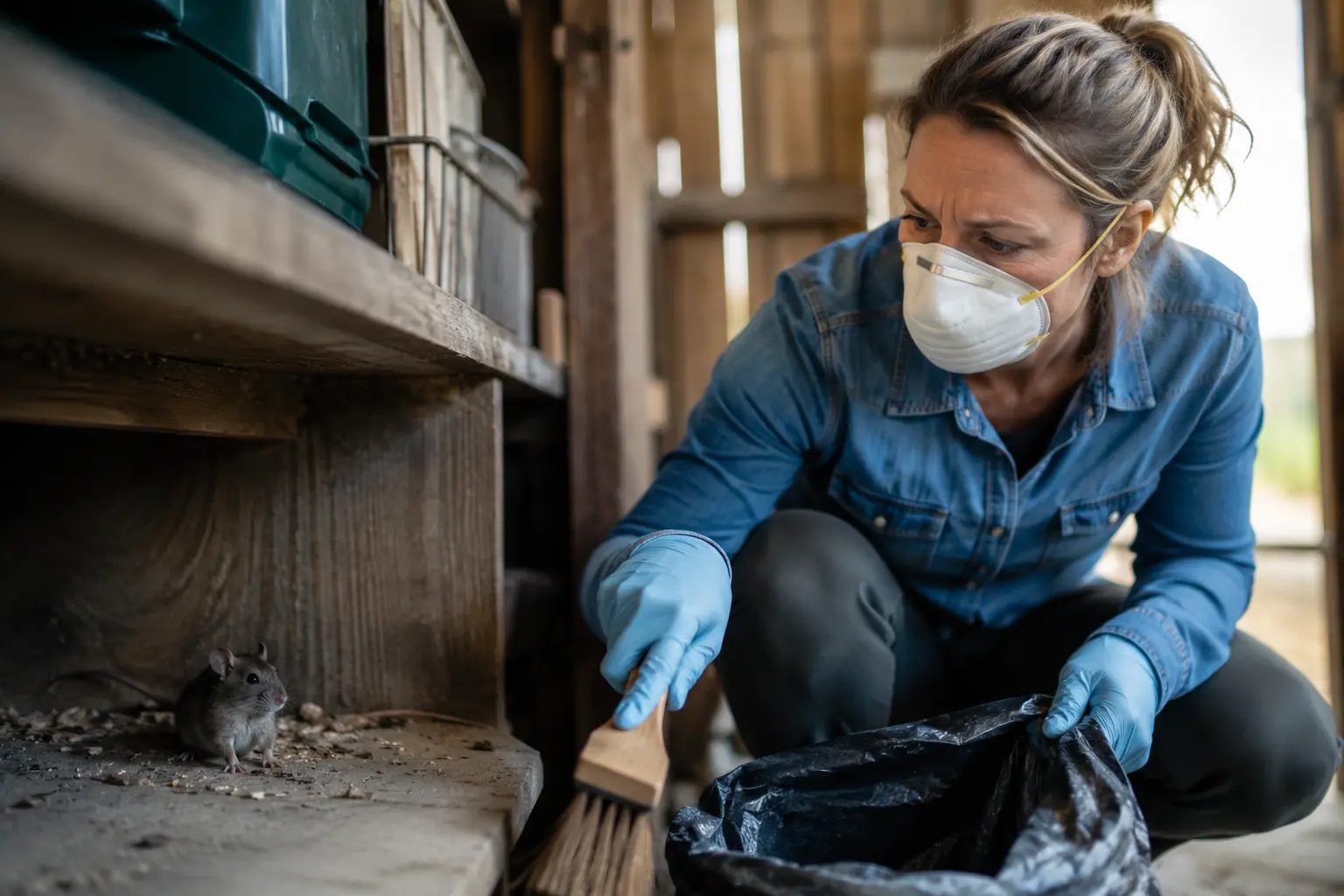
I woke up drenched in sweat, muscles screaming, barely able to lift my head off the pillow, and nobody could tell me why until I learned about hantavirus transmission basics and realized my exposure to rodents months earlier might have triggered this nightmare.
Understanding the basics of hantavirus transmission
Hantavirus spreads in ways most of us never think about until it’s too late. The virus lives in infected rodents like deer mice, and it travels through their urine, droppings, and saliva. Here’s what caught me off guard: you don’t even need direct contact. Just breathing in dust contaminated with infected rodent waste can infect you. I learned this the hard way after spending a summer cleaning out my family’s old garage without proper protection. The virus enters your body through your lungs or mucous membranes, and once it does, it can cause severe respiratory illness or hantavirus pulmonary syndrome. What makes it especially dangerous is how invisible the threat feels. You can’t see the virus particles floating in the air when you’re sweeping up old droppings or moving boxes that rodents have nested in.
- Avoid areas infested with rodents to reduce the risk of exposure.
- Use protective gear when cleaning up rodent-infested spaces.
- Maintain good hygiene practices to prevent the spread of hantavirus.
Recognizing the symptoms of hantavirus infection
The symptoms crept up on me gradually, which is why I didn’t immediately suspect hantavirus. It started with a fever that wouldn’t quit, followed by intense muscle aches in my back and legs. Then came the fatigue so overwhelming I could barely get out of bed. I remember thinking I had the flu, but something felt different, heavier. A few days later, I developed a cough and felt dizzy whenever I stood up. My doctor explained that these early signs can appear 1 to 8 weeks after exposure, and by the time difficulty breathing sets in, the virus has already progressed significantly. If you’ve been around rodents or their waste and suddenly feel feverish with muscle pain and shortness of breath, don’t wait. Seek medical attention immediately because early detection genuinely changes your outcome.
💬 Ready to feel better in 2 minutes?choose where to begin:
Protecting yourself from hantavirus
After my experience, I became obsessed with prevention because I never want to go through that again. Sealing entry points around your home is step one: check for gaps around pipes, vents, and foundation cracks where rodents squeeze through. Store food in airtight containers and never leave crumbs or pet food sitting out overnight. Keep your living space clean, especially basements and attics where rodents love to nest. When you do need to clean rodent-infested areas, wear an N95 mask, gloves, and eye protection. Spray the area with disinfectant first to avoid stirring up contaminated dust. Open windows for ventilation. I also learned to trim vegetation away from my house and remove potential nesting materials like piles of wood or leaves. These practical steps might seem tedious, but they genuinely reduce your risk significantly.
Coping with the fear of hantavirus
The anxiety that comes with learning about hantavirus is real. I spent weeks worried every time I felt tired or got a slight cough. But here’s what helped me move past that fear: understanding the actual risk and knowing what to do about it. Yes, hantavirus is serious, but it’s also preventable. Most cases occur in people who have direct exposure to rodent environments without protection. By taking reasonable precautions in your home and being aware of your surroundings, you’re already ahead of the game. Knowledge truly is power here. When you know how transmission happens, you can identify risks and avoid them. If you do experience symptoms after potential exposure, you know to seek help immediately. That shift from helpless anxiety to informed action made all the difference in how I view this threat now.
Hantavirus transmission occurs through contact with infected rodents or their waste, emphasizing the importance of maintaining a clean living environment and practicing caution in rodent-infested areas. Recognizing early symptoms and seeking medical help promptly are critical in managing hantavirus infections.
How can I prevent hantavirus transmission in my home?
To prevent hantavirus transmission, seal rodent entry points, store food properly, maintain cleanliness, and use protective gear when cleaning areas infested with rodents.
What should I do if I suspect hantavirus infection?
If you suspect hantavirus infection due to exposure to rodents or their waste and experience symptoms like fever, muscle aches, and difficulty breathing, seek immediate medical attention for proper diagnosis and treatment.
Others also read:
Disclaimer: This article is for informational purposes only and is not a substitute for professional medical advice. Always consult a healthcare professional for personal guidance.
This article presents an experience-based perspective and has been reviewed by the GlobalHealthBeacon editorial team in 2026. It provides structured, evidence-based information to support informed health decisions.

