Your gums bleed when you brush, your breath smells no matter how much mouthwash you use, and that constant sensitivity to hot coffee is driving you crazy, but scaling and root planing might actually be the wake-up call your mouth has been screaming for.
Understanding scaling and root planing
Scaling and root planing are deep cleaning procedures that work differently than your regular dental checkup. Think of it this way: standard brushing and flossing clean the surface, but when gum disease takes hold, bacteria burrow beneath the gumline and create pockets of infection. Scaling removes plaque and tartar from both the visible tooth surface and below the gumline, while root planing smooths out the root surfaces to eliminate rough spots where bacteria love to hide. Picture your tooth roots like a textured wall where harmful bacteria can grip and multiply. Root planing essentially sandpapers those surfaces smooth, making it nearly impossible for bacteria to reattach. For young adults dealing with early-stage gum disease, this two-step approach can literally stop the progression before it causes permanent damage to your jaw bone.
- Reduces gum inflammation and bleeding
- Helps prevent tooth loss and bone damage
- Promotes healthier gums and fresher breath
Before the procedure: an eye-opening discovery
Most young adults don’t expect to hear the word gum disease when they walk into the dentist’s office. You might think bleeding gums are normal, or that bad breath is just something that happens. Then your hygienist points out the pockets around your teeth, explains how bone loss works, and suddenly you realize this isn’t just about aesthetics anymore. This is about keeping your teeth for life. The discovery phase can feel jarring because gum disease often develops silently. You might have ignored those warning signs for months: a little blood when flossing, slight swelling that comes and goes, or that persistent taste in your mouth. The dentist explains that without intervention, this could escalate to periodontal disease, which doesn’t just affect your mouth but has links to overall health. That moment of understanding is actually powerful, though, because it means you caught it early enough for scaling and root planing to make a real difference.
💬 Ready to feel better in 2 minutes?choose where to begin:
During the procedure: facing the unknown
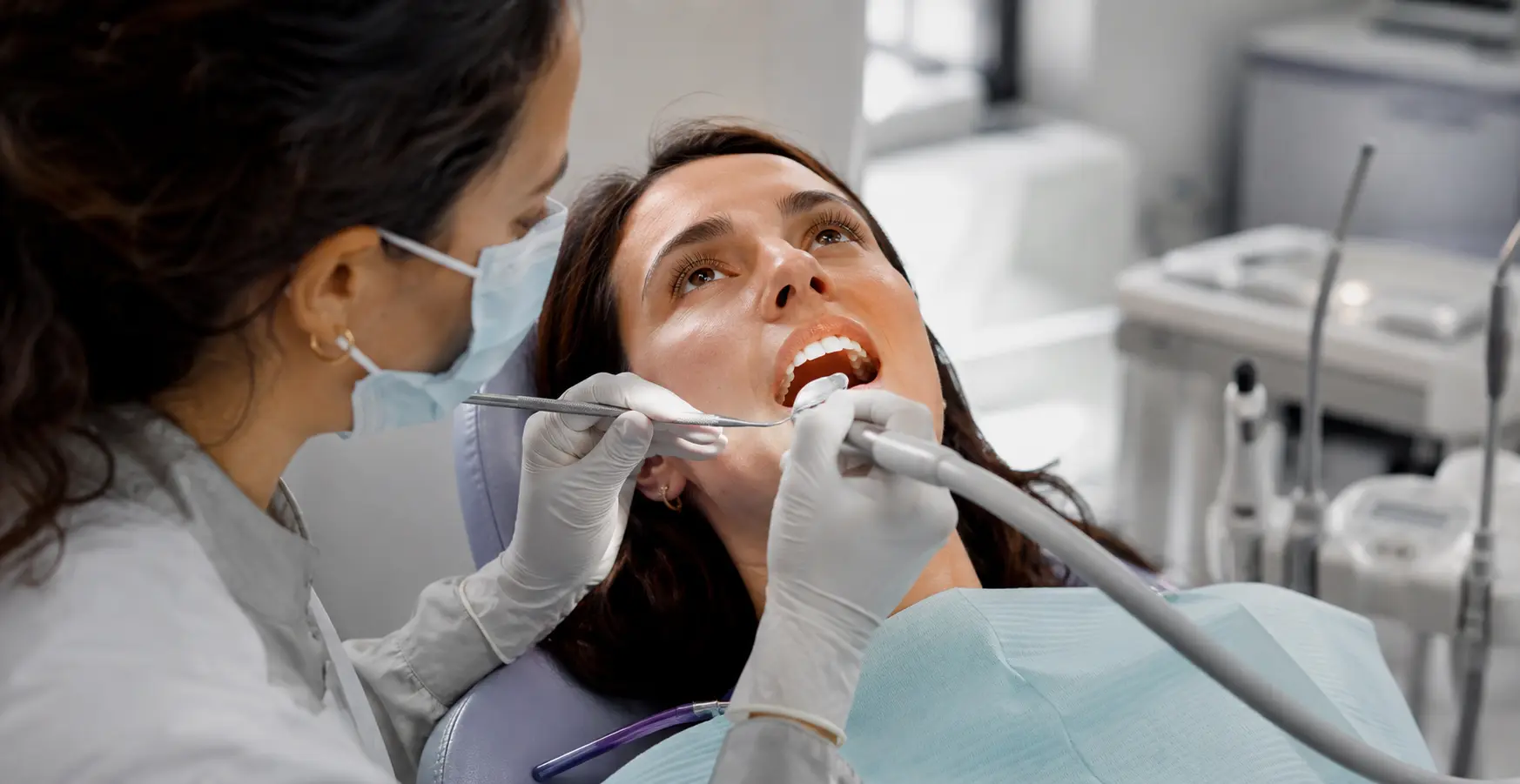
Walking into the treatment room, you might feel nervous about what’s coming. The sounds of dental instruments can feel intense, and the sensation of deep cleaning is genuinely different from a regular cleaning. Your dentist will likely apply local anesthesia to keep you comfortable, but you’ll still feel pressure and vibration as they work methodically along your gumline and below it. Some patients describe it as slightly uncomfortable rather than painful, like someone is thoroughly scrubbing areas that feel sensitive. The procedure usually takes one to two hours depending on how extensive the buildup is. What helps many young adults get through it is understanding that each stroke of the scaler is removing the exact bacteria and hardened deposits causing their symptoms. You might hear your dentist or hygienist explaining what they’re finding, which can actually be reassuring because you’re not left wondering what’s happening. Knowing this discomfort is temporary and directly addressing the root cause of your gum problems can make the experience feel purposeful rather than just something to endure.
After the procedure: a testament to transformation
The days following scaling and root planing often bring noticeable changes. Your gums might feel tender for a few days, and you may experience some sensitivity to temperature, but these are temporary signs that your mouth is healing. Many young adults report that within a week or two, their gums stop bleeding during brushing, that persistent bad breath improves dramatically, and the overall inflammation noticeably decreases. Some describe it as finally being able to smile without worrying about what people might notice. The real transformation comes when you commit to the maintenance phase: brushing twice daily with a soft-bristled brush, flossing consistently, and showing up for your follow-up appointments every three to six months. It’s not just about the procedure itself but about building habits that keep those bacteria from coming back. Young adults who stick with this routine often find their confidence returns because they know they’re actively protecting their teeth and gums for decades to come.
Scaling and root planing provide a targeted solution for combating gum disease by removing harmful plaque and tartar buildup from both the teeth and gumline. This deep cleaning procedure helps young adults alleviate symptoms like gum inflammation, bleeding, and bad breath, promoting overall oral health and well-being.
Is scaling and root planing painful?
While scaling and root planing may cause some discomfort during the procedure, local anesthesia is typically used to keep you comfortable. After the treatment, you may experience mild soreness and sensitivity, which can be managed with over-the-counter pain relief medication.
How often should scaling and root planing be done?
The frequency of scaling and root planing can vary depending on individual oral health needs. In general, this deep cleaning procedure may be recommended every 3-6 months for those with gum disease to maintain optimal oral health.
Others also read:
Disclaimer: This article is for informational purposes only and is not a substitute for professional medical advice. Always consult a healthcare professional for personal guidance.
This article presents an experience-based perspective and has been reviewed by the GlobalHealthBeacon editorial team in 2026. It provides structured, evidence-based information to support informed health decisions.
