Your gums bleed when you floss, your breath smells off no matter what you do, and you’re starting to worry that your teeth might not stay put – scaling and root planing could be the deep clean your mouth has been desperately needing.
What is scaling and root planing?
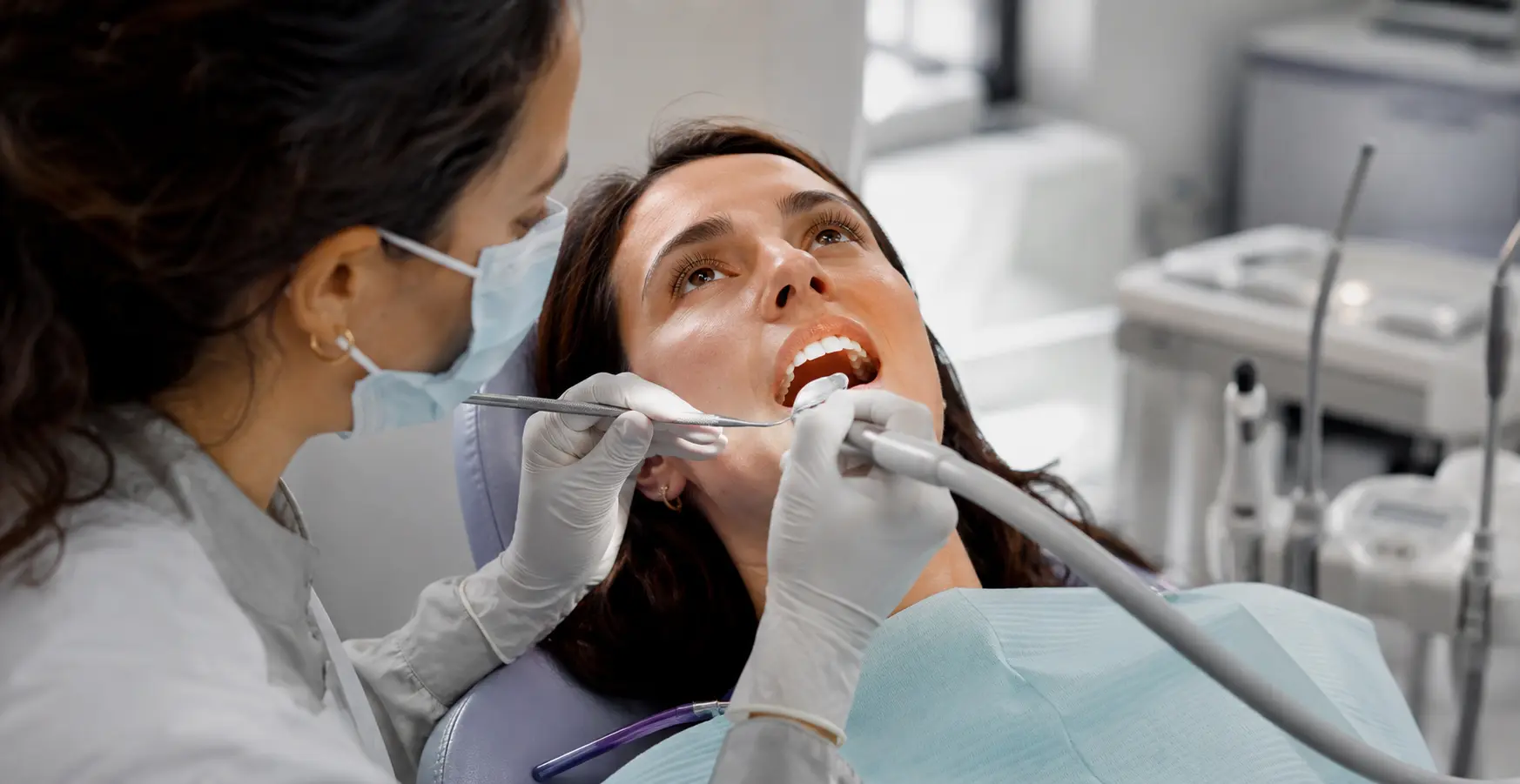
Scaling and root planing is a deep cleaning procedure that goes where your regular toothbrush simply cannot reach. While standard dental cleanings focus on the visible surfaces of your teeth above the gumline, this treatment targets the hidden spaces below. Your dentist uses specialized instruments to carefully remove hardened plaque and tartar that have accumulated in the pockets between your teeth and gums. Think of it as excavating the bacterial buildup that regular brushing misses. The scaling portion removes deposits from the tooth surface, while root planing smooths the root surface itself, which helps your gums reattach properly. For young adults dealing with early-stage gum disease, this procedure can be genuinely transformative. It addresses the root cause of inflammation rather than just treating symptoms, making it a critical intervention before the problem becomes irreversible.
- Targets deep pockets where bacteria thrive
- Promotes gum tissue healing
- Prevents tooth and bone loss
How does scaling and root planing benefit young adults?
Young adults often think gum disease is something that happens to older people, but the reality is that it can start silencing in your twenties or thirties. Early intervention with scaling and root planing gives you a genuine advantage. By addressing gum disease now, you’re preventing years of progressive damage that could lead to tooth loss, bone deterioration, or expensive implant procedures later. Consider Sarah, a 28-year-old who noticed her gums receding and bleeding during her morning routine. After one scaling and root planing session and committing to better oral hygiene, her gum health improved dramatically within weeks. The procedure essentially resets your mouth’s health status, giving you a fresh foundation to build on. When combined with consistent flossing, proper brushing technique, and regular dental visits, young adults can halt disease progression entirely and maintain their natural teeth for life.
📘 Fix your day in under 2 minuteschoose where to begin:
What to expect during a scaling and root planing procedure?
Walking into your appointment, you might feel nervous about the unknown, but understanding the process helps ease anxiety. Your dentist will first apply local anesthesia to numb the treatment area, so you won’t feel pain, though you may sense pressure and vibration. The actual procedure typically takes one to two hours depending on how much buildup exists. Your dentist uses an ultrasonic scaler that vibrates to break away tartar, followed by hand instruments to smooth rough areas on your tooth roots. You’ll hear water spraying and feel suction working to keep your mouth clear. Afterward, mild sensitivity and slight discomfort are completely normal for a few days. Many young adults find that over-the-counter pain relievers like ibuprofen manage any discomfort easily. Your gums may also feel tender when eating hard foods for a week or two, so soft foods become your temporary friend during recovery.
Maintaining oral health after scaling and root planing
The procedure itself isn’t the finish line, it’s actually the starting point for your recovery. Think of scaling and root planing as clearing the weeds from your garden, but you still need to maintain the garden afterward. Brush twice daily using a soft-bristled toothbrush and fluoride toothpaste, being gentle around treated areas. Flossing becomes non-negotiable, not optional, since it removes debris from between teeth where your toothbrush can’t reach. Many young adults find that an electric toothbrush and water flosser make these habits easier to maintain consistently. Schedule follow-up appointments every three to four months initially so your dentist can monitor healing and catch any issues early. Avoid smoking and limit sugary foods and drinks, as both sabotage your gums’ ability to heal properly. Some people find that using an antimicrobial mouthwash recommended by their dentist provides extra protection during the healing phase.
Is scaling and root planing effective for young adults?
Yes, scaling and root planing delivers measurable results when you’re willing to do your part. Studies consistently show that this procedure reduces pocket depth, stops bleeding, and allows gum tissue to reattach to teeth. For young adults specifically, the success rate is particularly high because your body’s healing capacity is at its peak. The key factor determining effectiveness isn’t just the procedure itself, it’s what happens afterward. A 26-year-old named Marcus had moderate gum disease caught early, underwent scaling and root planing, and then committed to daily flossing and electric brushing. Six months later, his gum pockets had shrunk significantly and his dentist cleared him for regular cleanings instead of deep cleanings. Without follow-through on oral hygiene, even the best procedure loses effectiveness. But when young adults treat this as a wake-up call and genuinely change their habits, scaling and root planing can completely reverse early gum disease and set them up for decades of healthy teeth.
Scaling and root planing is a beneficial treatment for young adults suffering from gum disease. By targeting deep pockets, promoting gum tissue healing, and preventing further oral health issues, this procedure can lead to improved gum health and overall well-being.
What is the difference between scaling and root planing and a regular dental cleaning?
While a regular dental cleaning focuses on the surfaces of the teeth above the gumline, scaling and root planing goes deeper to remove plaque and tartar buildup below the gumline, targeting gum disease.
Is scaling and root planing painful?
Local anesthesia is typically used during scaling and root planing to minimize discomfort. After the procedure, some mild sensitivity and discomfort may be experienced but can be managed with over-the-counter pain relievers.
Others also read:
Disclaimer: This article is for informational purposes only and is not a substitute for professional medical advice. Always consult a healthcare professional for personal guidance.
This guide has been prepared and reviewed by the GlobalHealthBeacon editorial team and reflects current medical research as of 2026. It provides structured, evidence-based information to support informed health decisions.
