Your gums bleed when you floss, your breath smells off, and you’re worried something serious is happening in your mouth – but scaling and root planing can actually stop this spiral and give you your healthy smile back.
Understanding gum disease
Gum disease starts quietly. You might notice your gums look a bit puffy or bleed slightly when brushing, but many young adults ignore these early signals. Periodontal disease begins when bacterial plaque builds up along your gumline and hardens into tartar. Over time, this bacteria triggers inflammation, causing your gums to pull away from your teeth and creating pockets where more infection can hide. If left untreated, the bone supporting your teeth can deteriorate, potentially leading to tooth loss. Scaling and root planing are the clinical interventions designed to stop this progression by removing the plaque and tartar that home care alone cannot reach. Think of it as a deep clean that targets the bacterial colonies living below your gumline, in the spaces where your toothbrush simply cannot go.
- Prevents progression of gum disease
- Reduces gum inflammation
- Promotes gum tissue healing
Benefits of scaling and root planing
Scaling and root planing work together as a one-two punch against gum disease. During scaling, your dentist removes hardened tartar and plaque from above and below the gumline using ultrasonic instruments or hand tools. Root planing then smooths the root surfaces of your teeth, eliminating the rough spots where bacteria love to colonize. This dual approach accomplishes something powerful: it eliminates the bacterial load causing inflammation while also creating a smoother surface that makes it harder for new plaque to stick. Your gums can then reattach to your teeth, closing those dangerous pockets. Many patients report noticing reduced bleeding within days and significant improvement in gum health within weeks. The procedure essentially resets your gums, giving you a fresh start and a real chance to maintain health through better home care.
📘 Fix your day in under 2 minuteschoose where to begin:
What to expect during the procedure
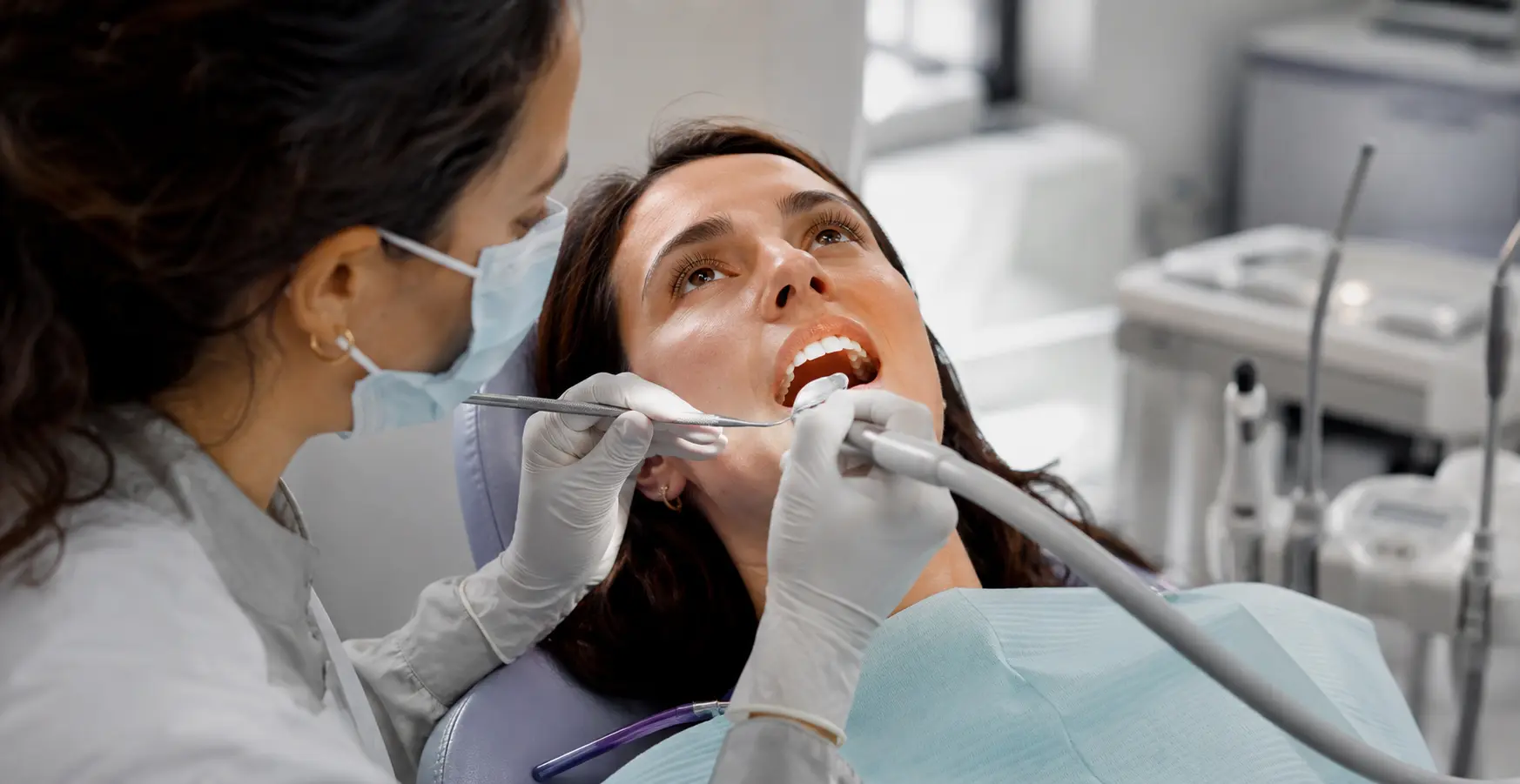
Walking into the appointment, you might feel nervous, but understanding the process helps. Your dentist will apply local anesthesia to numb the area, so you should not feel pain, though you may hear the ultrasonic scaler and feel vibration and water spray. The procedure typically takes one to two hours depending on how much buildup is present. Your dentist works quadrant by quadrant, systematically removing tartar deposits and smoothing root surfaces. You might taste a metallic flavor or feel slight pressure. After scaling, root planing involves using specialized instruments to smooth the root surfaces below the gumline. Some dentists complete the entire procedure in one visit, while others split it into two appointments to allow for healing. Throughout, your dental team will check in on your comfort and adjust anesthesia as needed. Many patients describe it as uncomfortable rather than painful, similar to a thorough professional cleaning but more intensive.
Aftercare tips for optimal healing
The days and weeks following your procedure are critical for success. You might experience mild soreness, sensitivity, or slight bleeding for a few days, which is completely normal as your gums begin healing. Avoid hot foods and drinks for the first 24 hours, and stick to soft foods like yogurt, smoothies, and soup. Do not smoke during this healing period, as nicotine restricts blood flow and significantly slows recovery. Start gentle oral hygiene immediately: use a soft-bristled toothbrush and be extra careful around treated areas. Rinse with warm salt water several times daily to reduce inflammation and promote healing. Your dentist may recommend an antibacterial mouthwash to control bacteria during recovery. Take over-the-counter pain relievers like ibuprofen if needed. Most importantly, attend all follow-up appointments so your dentist can monitor healing and ensure the procedure was successful. This is not a one-time fix; it requires your commitment to maintaining the results.
Preventing gum disease recurrence
After investing time and money in scaling and root planing, you want to protect that investment. Prevention starts with daily habits: brush twice daily with a soft toothbrush, floss every single day, and consider an electric toothbrush if you struggle with technique. Many young adults underestimate flossing, but it removes plaque between teeth where your brush cannot reach. Schedule professional cleanings every three to six months, depending on your dentist’s recommendation, rather than the standard six-month interval. Watch for warning signs like bleeding gums, persistent bad breath, or loose teeth, and call your dentist immediately if they appear. Lifestyle factors matter too: smoking dramatically increases gum disease risk, so quitting or reducing is essential. Stress management and a balanced diet rich in vitamins C and D support gum health. Think of prevention as an ongoing partnership between your daily care and professional support, not a problem you solve once and forget.
Scaling and root planing effectively address gum disease by removing bacteria and promoting gum tissue healing. Following the procedure, good oral hygiene practices are crucial to prevent disease recurrence and maintain optimal gum health.
Is scaling and root planing painful?
Local anesthesia is typically used during scaling and root planing to minimize discomfort. After the procedure, you may experience some mild soreness, which can be managed with over-the-counter pain relievers.
How often should scaling and root planing be done?
The frequency of scaling and root planing depends on the severity of your gum disease. Your dentist will recommend a treatment plan tailored to your individual needs, which may include regular cleanings every 3-6 months.
Others also read:
Disclaimer: This article is for informational purposes only and is not a substitute for professional medical advice. Always consult a healthcare professional for personal guidance.
This guide has been prepared and reviewed by the GlobalHealthBeacon editorial team and reflects current medical research as of 2026. It provides structured, evidence-based information to support informed health decisions.
