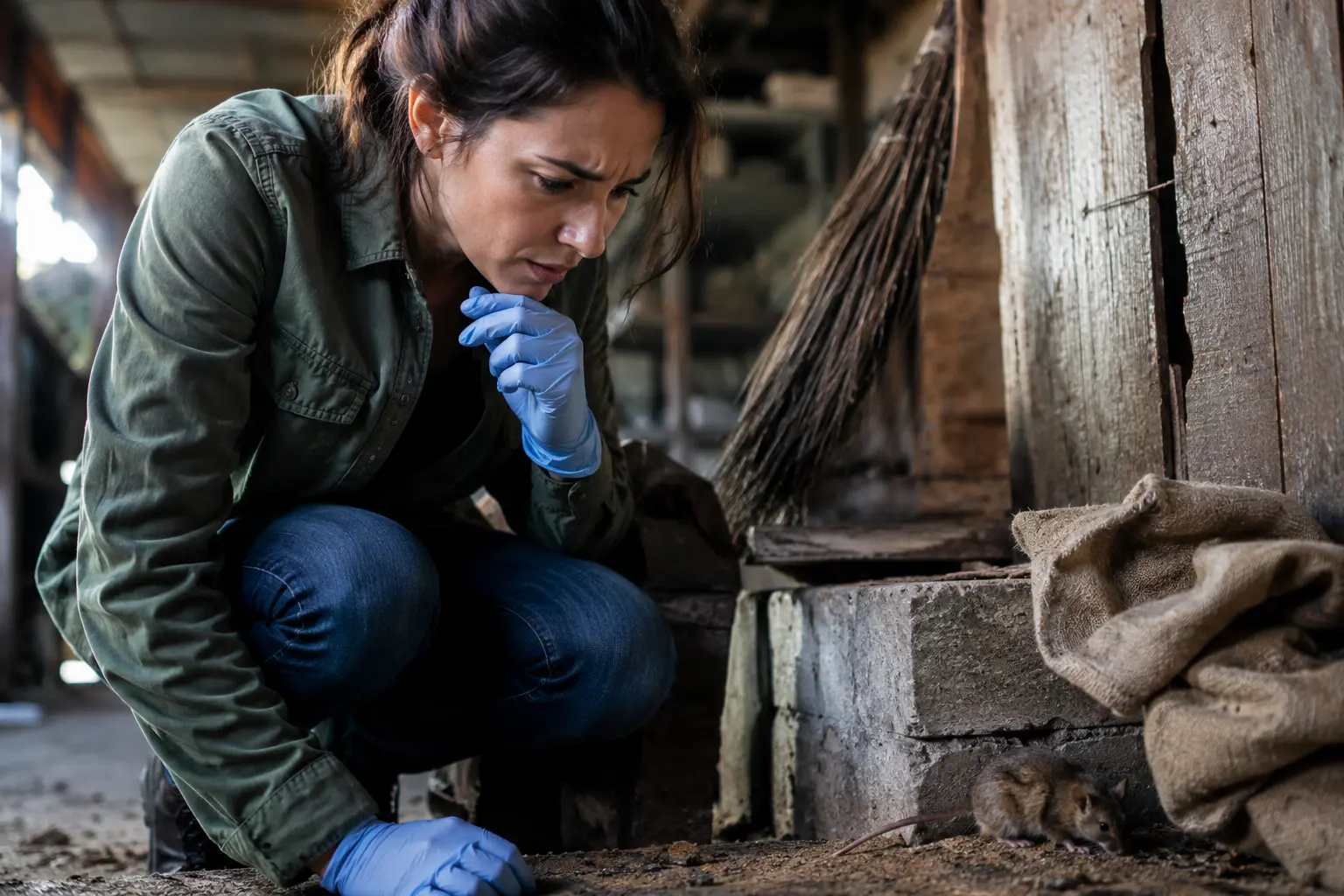
You’ve probably heard conflicting stories about hantavirus and aren’t sure what’s actually dangerous, so let’s cut through the noise and show you exactly what hantavirus facts and myths reveal about your real risk.
Understanding hantavirus: the basics
Hantavirus belongs to a family of viruses called bunyaviruses, and understanding how it actually spreads is key to protecting yourself. The virus lives in the urine, droppings, and saliva of infected rodents, particularly deer mice, cotton rats, and rice rats. When these rodents contaminate areas where people live or work, the virus becomes a concern. Imagine finding droppings in your attic or garage. If you sweep or vacuum without proper precautions, you can inhale dust particles carrying the virus directly into your lungs. This is the primary transmission route. Contrary to what many people fear, hantavirus does not spread from person to person through casual contact, sneezing, or touching. You cannot catch it from shaking someone’s hand or sharing food. The virus specifically targets the respiratory system and blood vessels, which is why early symptoms often feel like a bad flu before progressing to more serious respiratory complications.
Debunking common myths about hantavirus
The biggest myth circulating is that hantavirus spreads easily between people like a cold or flu. This misconception has caused unnecessary panic in communities. The reality is far more specific: transmission requires direct contact with infected rodent material, typically through inhalation of contaminated dust. Another widespread misunderstanding is that all rodents carry hantavirus. In fact, only certain species in specific geographic regions are known carriers. A mouse in your kitchen is not automatically a hantavirus threat. The virus is also not spread through bites unless the bite breaks skin and introduces infected saliva directly into your bloodstream, which is extremely rare. Many seniors worry that simply being near a rodent means infection, but the virus requires a specific exposure pathway. Understanding these distinctions helps you respond appropriately rather than with fear. For example, finding a mouse nest in your shed requires careful cleanup procedures, but it does not mean you are infected or in immediate danger if you take proper precautions.
Research findings on hantavirus
Modern research has revealed that hantavirus primarily attacks the lungs and the delicate blood vessels that line them, causing what doctors call hantavirus pulmonary syndrome. Scientists have discovered that the virus damages these vessels, allowing fluid to leak into the lungs and making breathing progressively difficult. Recent studies have also identified genetic variations that may influence how severely different people respond to infection. Some individuals carry genetic markers that appear to provide better immune response, while others may be more vulnerable to severe disease. Researchers are studying why some infected people develop mild symptoms while others progress to critical illness requiring intensive care. Geographic and environmental factors also play a role. Hantavirus strains vary by region, and exposure levels depend on how many infected rodents live in your area and how much contact you have with their habitats. A study of rural communities showed that people living in areas with high rodent populations and poor home maintenance had significantly higher exposure risks than those in urban settings with sealed homes.
- Understand the mode of transmission of hantavirus through infected rodent excreta and inhalation of contaminated dust particles.
- Learn about the symptoms associated with hantavirus infection, including early flu-like signs and progressive respiratory distress.
- Discover the latest research on genetic factors influencing hantavirus susceptibility and regional strain variations.
🔬 Science-backed benefits in 2 minuteschoose where to begin:
Preventive measures against hantavirus
Prevention is straightforward once you understand what you are preventing against. Start by making your home less attractive to rodents. Seal cracks and gaps around pipes, vents, and foundation areas with steel wool and caulk, since rodents cannot chew through steel. Store all food, including pet food and birdseed, in airtight containers made of glass or heavy plastic. Rodents are attracted to easy meals, so eliminating food sources is powerful. Keep your living space clean and clutter-free, removing piles of papers, boxes, and fabrics where rodents nest. If you discover rodent droppings, do not sweep or vacuum them immediately. Instead, spray the area with a disinfectant solution, let it sit for five minutes, then wipe with paper towels and dispose of them in sealed bags. This prevents dust from becoming airborne. Wear gloves and a mask during cleanup. If you have an attic or basement, inspect these spaces seasonally. Many seniors find that hiring professional pest control for initial assessment and sealing is worth the investment, especially if you live in a rural area or near fields.
Treatment options for hantavirus
Currently, no specific antiviral medication targets hantavirus directly, which is why early recognition and medical care are so important. If you develop symptoms like fever, muscle aches, and fatigue that progress to shortness of breath, seek medical attention immediately. Doctors cannot cure hantavirus, but they can support your body while your immune system fights the infection. Treatment focuses on managing symptoms and preventing complications. Oxygen therapy helps maintain healthy blood oxygen levels as the virus damages lung tissue. Intravenous fluids maintain hydration and electrolyte balance, which is critical when you are too ill to drink normally. In severe cases, patients may need mechanical ventilation to breathe. The key is recognizing symptoms early. Many people initially think they have the flu, which delays seeking care. If you have been exposed to rodent areas and develop respiratory symptoms, tell your doctor about the potential exposure. Supportive care in a hospital setting has improved survival rates significantly over the past two decades, but outcomes depend heavily on how quickly treatment begins.
Vaccine development for hantavirus
Scientists worldwide are actively researching hantavirus vaccines to prevent infection before exposure occurs. Several vaccine candidates have shown promise in laboratory and animal studies, demonstrating that the immune system can be trained to recognize and fight hantavirus. The challenge lies in moving from promising research to a vaccine that is safe, effective, and available to the public. Vaccine development requires extensive testing to ensure safety and to determine the right dosage and number of doses needed. Some research focuses on inactivated virus vaccines, while other teams explore genetic approaches that teach cells to produce hantavirus proteins. A few countries have developed experimental vaccines for high-risk populations, but these are not yet widely available internationally. Researchers are also studying whether existing vaccines for related viruses might offer partial protection. The timeline for a widely available hantavirus vaccine remains uncertain, which is why current prevention strategies focusing on rodent control and exposure avoidance remain your best defense. Staying informed about vaccine developments is worthwhile if you live in high-risk areas.
Research on hantavirus reveals a virus that spreads through specific rodent contact pathways, not person-to-person transmission, with outcomes heavily influenced by early detection and genetic factors. Preventive measures focusing on rodent control and safe cleanup practices significantly reduce your risk, while treatment emphasizes supportive care and rapid medical intervention.
Is hantavirus contagious between humans?
No, hantavirus is not spread from person to person. The primary mode of transmission is through inhalation of dust contaminated with infected rodent urine, droppings, or saliva. Direct contact with an infected person poses no transmission risk.
Are all rodents carriers of hantavirus?
No, only specific species of rodents, such as deer mice, cotton rats, and rice rats, are known to be carriers of hantavirus. The virus is found in particular geographic regions, and not all rodents in those areas are infected.
Others also read:
Disclaimer: This article is for informational purposes only and is not a substitute for professional medical advice. Always consult a healthcare professional for personal guidance.
This article has been prepared and reviewed by the GlobalHealthBeacon editorial team and is based on current medical research and published scientific literature available in 2026. It provides structured, evidence-based information to support informed health decisions.
