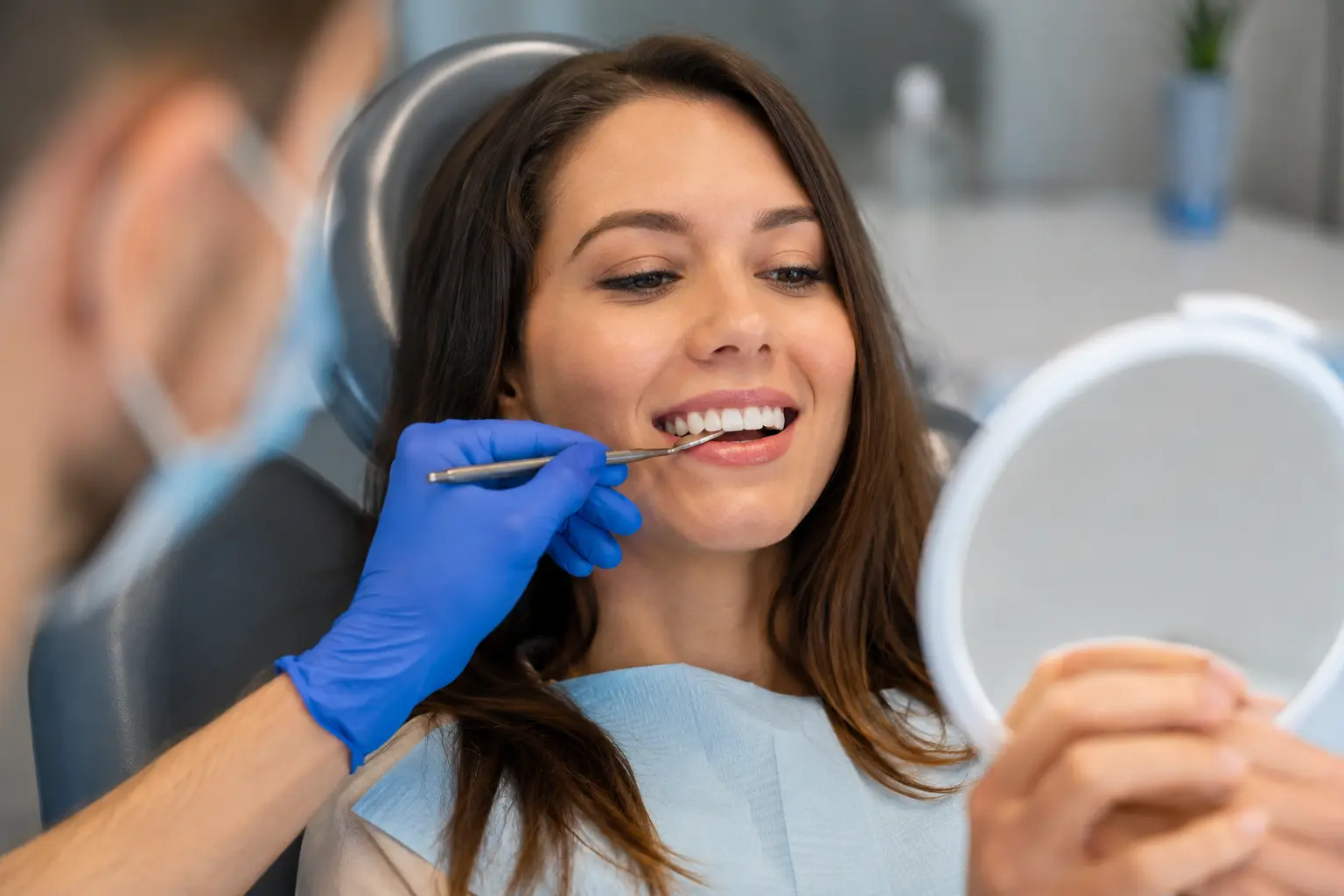
You catch your reflection and wince at that chipped tooth, or maybe your smile has faded to a dull yellow that no amount of brushing seems to fix, and cosmetic dental bonding might be the straightforward answer you’ve been looking for.
Mechanisms of cosmetic dental bonding
Cosmetic dental bonding is a straightforward restorative technique that uses tooth-colored composite resin to repair or enhance the appearance of teeth. The process begins when your dentist gently roughens the tooth surface using a special instrument, creating microscopic grooves that help the bonding material grip more securely. Next, a conditioning liquid is applied to the prepared surface, which chemically preps the tooth enamel and dentin to accept the resin. Think of it like preparing a wall before painting: the rougher surface and primer ensure the paint adheres properly and lasts longer. The dentist then carefully applies the composite resin in layers, sculpting it to match your tooth’s natural shape and contour. Each layer is hardened using a blue ultraviolet light, which triggers a chemical reaction that solidifies the material. This layering technique allows the dentist to build up the tooth gradually, ensuring a natural appearance that blends seamlessly with your existing teeth. The entire bonding process typically takes 30 to 60 minutes per tooth, making it one of the quickest cosmetic dental solutions available.
Benefits of cosmetic dental bonding for seniors
For seniors, cosmetic dental bonding addresses a wide range of aesthetic concerns that accumulate over decades of living. Chipped teeth from accidents or wear, discolored teeth that resist whitening treatments, gaps between teeth, and misshapen teeth can all be corrected with bonding. Imagine a senior who has lived with a noticeable chip on their front tooth for years, avoiding close conversations or covering their mouth when laughing. Bonding can restore that tooth to its original appearance in a single appointment. The procedure is minimally invasive, meaning your dentist removes very little of your natural tooth structure compared to crowns or veneers. This conservative approach preserves the integrity of your tooth for decades to come. Bonding is also remarkably cost-effective, typically costing a fraction of what veneers or crowns would require. For seniors on fixed incomes, this affordability makes smile enhancement genuinely accessible. The procedure requires no anesthesia in most cases, involves no drilling into the tooth core, and causes no discomfort, making it ideal for those who feel anxious about dental work.
Research findings on cosmetic dental bonding
Scientific literature consistently demonstrates that cosmetic dental bonding delivers reliable and durable results for improving tooth appearance across all age groups, including seniors. Multiple peer-reviewed studies have documented high patient satisfaction rates, with the majority of participants reporting that their aesthetic goals were met or exceeded. Research indicates that bonded restorations maintain their appearance and structural integrity for 5 to 10 years with proper care, which is substantial for a minimally invasive procedure. One notable finding from dental research is that patients appreciate the immediate results: you walk out of the appointment with a transformed smile the same day. Studies also show that bonding performs particularly well on front teeth, where aesthetic demands are highest and functional stress is lower. Longitudinal research tracking bonded teeth over time reveals that failures are typically minor, such as small chips or slight color changes, rather than complete restoration failure. These minor issues can usually be repaired quickly without replacing the entire bonding. The research also highlights that patient compliance with care instructions significantly influences longevity, meaning seniors who maintain good oral hygiene and follow their dentist’s recommendations experience the best outcomes.
- Consult with a qualified dentist to assess your suitability for cosmetic dental bonding and discuss any existing dental conditions.
- Discuss your cosmetic goals and expectations with the dentist before proceeding, including photos of smiles you admire.
- Follow post-treatment care instructions provided by the dentist to ensure the longevity of the bonding results, including avoiding hard foods and staining substances.
🔬 Science-backed benefits in 2 minuteschoose where to begin:
Comparisons with other dental procedures
When evaluating smile enhancement options, understanding how bonding compares to alternatives helps seniors make informed decisions. Dental crowns require significant tooth preparation, involving the removal of healthy tooth structure to accommodate the crown. Veneers, while producing excellent aesthetic results, also require tooth reduction and represent a more permanent commitment. Bonding, by contrast, preserves maximum tooth structure and is considered reversible if needed. A senior considering options might compare the cost: bonding typically costs 200 to 400 dollars per tooth, while veneers range from 900 to 2500 dollars and crowns from 1000 to 3000 dollars. Time is another factor: bonding is completed in one visit, whereas veneers and crowns require multiple appointments and temporary restorations. For seniors with limited mobility or those who prefer minimal dental intervention, bonding’s single-visit convenience is significant. However, bonding is less durable than crowns for teeth that endure heavy chewing forces, and it may not be ideal for severely damaged teeth. Bonding also tends to stain more readily than porcelain veneers or crowns. Understanding these trade-offs allows seniors to choose the procedure that best aligns with their priorities, whether that is cost, convenience, preservation of natural tooth, or longevity.
Considerations for seniors
While cosmetic dental bonding offers substantial benefits, seniors should understand its limitations and maintenance requirements to set realistic expectations. Bonded composite resin is more porous than natural tooth enamel, making it susceptible to staining from coffee, tea, red wine, and tobacco. A senior who bonds their front teeth and continues drinking coffee daily may notice gradual color changes within a few years. Regular professional cleanings every six months help minimize staining and keep bonded teeth looking fresh. Bonded teeth may also experience wear more quickly than natural teeth, particularly on lower front teeth that endure constant chewing stress. Seniors with habits like grinding their teeth at night or chewing ice should discuss these concerns with their dentist before bonding. The bonding material can chip if you bite down on hard objects or experience trauma, though minor chips are easily repaired. Proper oral hygiene is essential: brushing twice daily with a soft-bristled toothbrush and flossing daily protects both bonded and natural teeth. Seniors should also avoid using their teeth as tools to open packages or bottles, a habit that can damage bonding. Regular dental check-ups allow your dentist to monitor the bonding’s condition and address small problems before they become significant.
Future research directions
The field of cosmetic dentistry continues to evolve, with ongoing research aimed at improving bonding materials and techniques for better outcomes in seniors. Scientists are developing next-generation composite resins with enhanced durability, improved stain resistance, and better color stability over time. These advanced materials may eventually extend the lifespan of bonded restorations from the current 5 to 10 years to potentially 15 years or longer. Research is also exploring new bonding techniques that create stronger adhesion between resin and tooth structure, reducing the risk of bonding failure or chipping. Digital smile design technology is becoming more sophisticated, allowing dentists to show seniors exactly how their smile will look before treatment begins, improving satisfaction and managing expectations. Some research focuses on biocompatible materials that integrate more naturally with tooth structure, potentially improving both aesthetics and longevity. Staying informed about these advancements empowers seniors to make well-informed decisions about their dental care and to discuss emerging options with their dentist. As materials and techniques improve, bonding may become an even more attractive option for seniors seeking affordable, minimally invasive smile enhancement.
Scientific research supports the effectiveness and reliability of cosmetic dental bonding for seniors, offering a non-invasive, cost-effective solution to enhance the aesthetic appearance of teeth. Bonding procedures provide satisfactory results with proper care and maintenance, though seniors should understand that bonding requires regular upkeep and may need periodic touch-ups over time. The procedure preserves natural tooth structure better than alternatives like crowns or veneers, making it an attractive option for those seeking to maintain their natural teeth while improving their smile.
Is cosmetic dental bonding a permanent solution?
Cosmetic dental bonding is durable but not permanent. Research indicates bonded restorations typically last 5 to 10 years before requiring touch-ups or replacement. Seniors may experience earlier wear or staining depending on their habits, oral hygiene, and dietary choices. Regular dental check-ups help monitor bonding condition and address issues early.
Does dental bonding procedure involve any pain or discomfort?
Cosmetic dental bonding is a painless procedure that generally does not require anesthesia. The tooth surface is prepared gently, and most seniors experience no discomfort during treatment. Some patients report mild sensitivity to the ultraviolet light or slight pressure during sculpting, but this is temporary. Any sensitivity after treatment typically subsides within a few days.
Others also read:
Disclaimer: This article is for informational purposes only and is not a substitute for professional medical advice. Always consult a healthcare professional for personal guidance.
This article has been prepared and reviewed by the GlobalHealthBeacon editorial team and is based on current medical research and published scientific literature available in 2026. It provides structured, evidence-based information to support informed health decisions.
