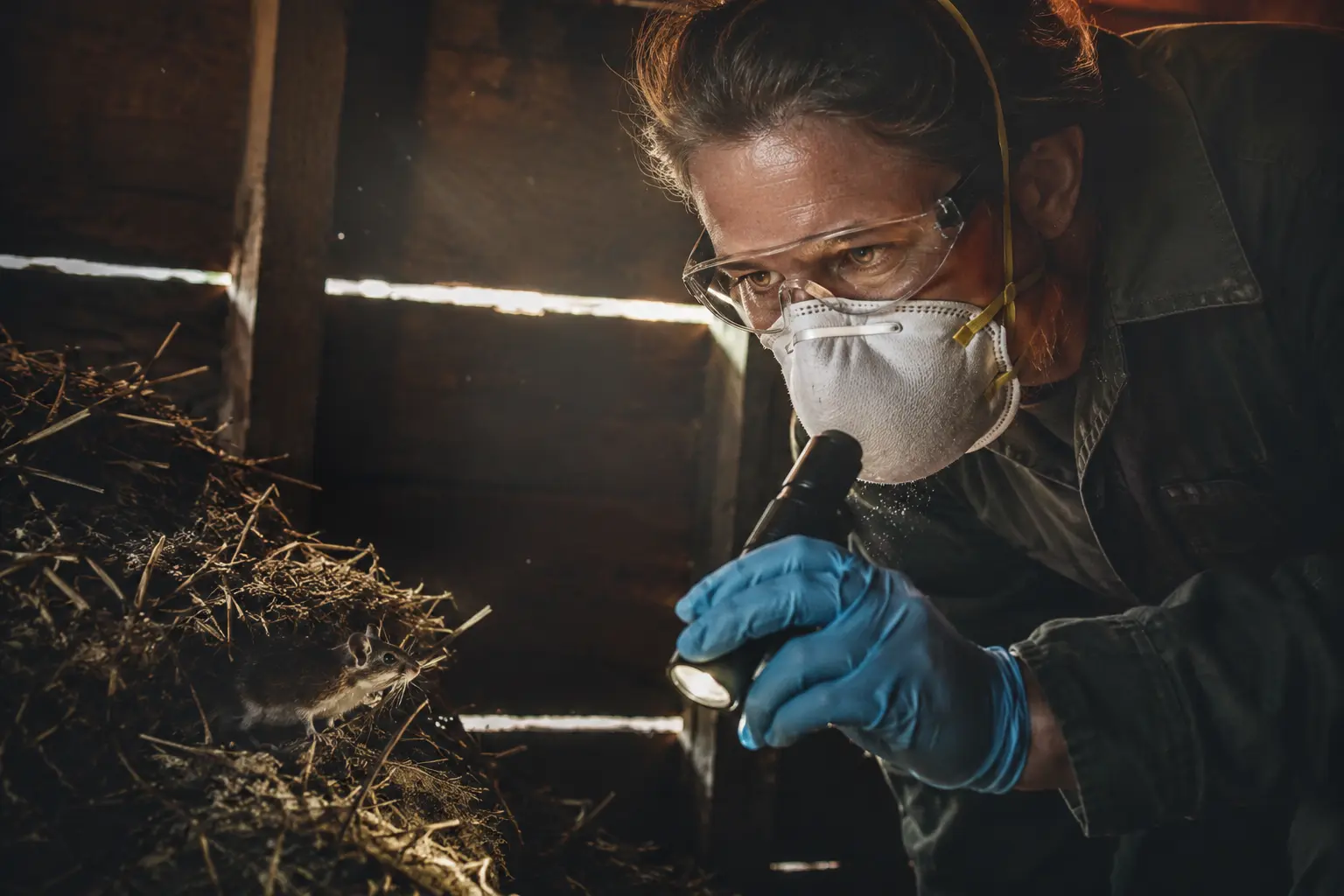
You wake up feeling like you’ve got the flu, but something feels different, scarier, and when you finally understand it might be hantavirus explained simply, you realize how little you actually knew about this silent threat lurking in the places you least expect.
Understanding hantavirus basics
Hantavirus is a rare but genuinely serious disease that most young adults have never heard of until it’s too late. It spreads through contact with infected rodents, particularly deer mice, and the transmission happens in ways that might surprise you. You don’t need to be bitten or scratched. Instead, the virus travels through the air when you inhale dust contaminated with rodent droppings or urine. Imagine cleaning out an old garage or attic, stirring up dust without realizing what’s in it. That’s how exposure happens. The disease progresses in two stages: first comes the prodromal phase with fever, muscle aches, and fatigue that feels like regular flu. Then, sometimes within days, it shifts into the cardiopulmonary phase where breathing becomes difficult and your heart struggles. Understanding this progression is critical because early recognition changes everything about your outcome.
- Transmitted by inhaling dust contaminated with rodent droppings or urine
- Initial symptoms mimic the flu but can quickly escalate to respiratory failure
- Preventative measures include sealing entry points, setting traps, and practicing good hygiene
Recognizing early symptoms
The tricky part about hantavirus is that early symptoms are genuinely deceptive. You might feel feverish, achy, and exhausted, which describes half the illnesses going around any given season. Most young adults would probably just push through it, assuming they caught something from a friend or coworker. But if you’ve been around rodents or old buildings, and you start noticing that your fever isn’t improving after a few days, or that you’re experiencing unusual shortness of breath alongside muscle pain, that’s when alarm bells should ring. The respiratory symptoms are the real tell. If you find yourself struggling to breathe, feeling chest pressure, or noticing your heart racing, seek medical attention immediately. Don’t wait it out. The difference between catching this early and waiting another day or two can literally mean the difference between outpatient care and hospitalization. Your doctor needs to know about any potential rodent exposure when you describe your symptoms.
💬 Ready to feel better in 2 minutes?choose where to begin:
Effectively managing hantavirus
If you’re diagnosed with hantavirus, management focuses on supportive care while your body fights the infection. There’s no specific antiviral medication, so treatment centers on managing your symptoms and keeping you stable. Severe cases require hospitalization where medical teams can monitor your oxygen levels, heart function, and fluid balance closely. You’ll likely need isolation during the acute phase because the virus can spread to others through respiratory droplets. This means quarantining from roommates, family, and friends, which adds a psychological weight to an already frightening situation. Recovery takes time and patience. Your body needs rest, proper nutrition, and consistent medical monitoring. Some people experience lingering fatigue for weeks after the acute phase passes. Following your doctor’s guidance exactly, attending all follow-up appointments, and resisting the urge to return to normal activity too quickly are all crucial to avoiding complications.
Preventing hantavirus exposure
Prevention is genuinely your best defense because once you’re infected, you’re managing a serious illness rather than avoiding one. Start by making your living space inhospitable to rodents. Seal cracks and gaps in your walls, foundation, and around pipes with steel wool or caulk. Store food in airtight containers, never leaving crumbs or open packages lying around. Keep your living area clean and clutter-free because rodents hide in piles of stuff. If you’re dealing with an infestation, hire professional pest control rather than attempting removal yourself. Never directly handle dead rodents or their droppings. If you must clean an area where rodents have been, wear gloves and a mask, spray the area with disinfectant first to avoid stirring up dust, then carefully clean. Be especially cautious in older buildings, basements, attics, and storage areas. Young adults often inherit these spaces or rent older apartments without realizing the rodent risk. A simple inspection and preventative sealing can protect you far more effectively than any treatment ever could.
Hantavirus is a disease transmitted by rodents that presents with flu-like symptoms that can worsen rapidly into serious respiratory complications. Young adults often underestimate the risk because the early signs feel so ordinary. Early recognition and prompt medical intervention are crucial for a positive outcome. Prevention through good hygiene, rodent control, and awareness of exposure risks remains your strongest defense against this potentially severe illness.
How can hantavirus be prevented?
Hantavirus prevention involves eliminating rodent infestations, sealing entry points, storing food securely, and maintaining cleanliness to reduce the risk of exposure.
What are the key symptoms of hantavirus?
Common symptoms of hantavirus include fever, muscle aches, fatigue, and respiratory distress. If experiencing these symptoms, seek medical attention promptly.
Others also read:
Disclaimer: This article is for informational purposes only and is not a substitute for professional medical advice. Always consult a healthcare professional for personal guidance.
This article presents an experience-based perspective and has been reviewed by the GlobalHealthBeacon editorial team in 2026. It provides structured, evidence-based information to support informed health decisions.
