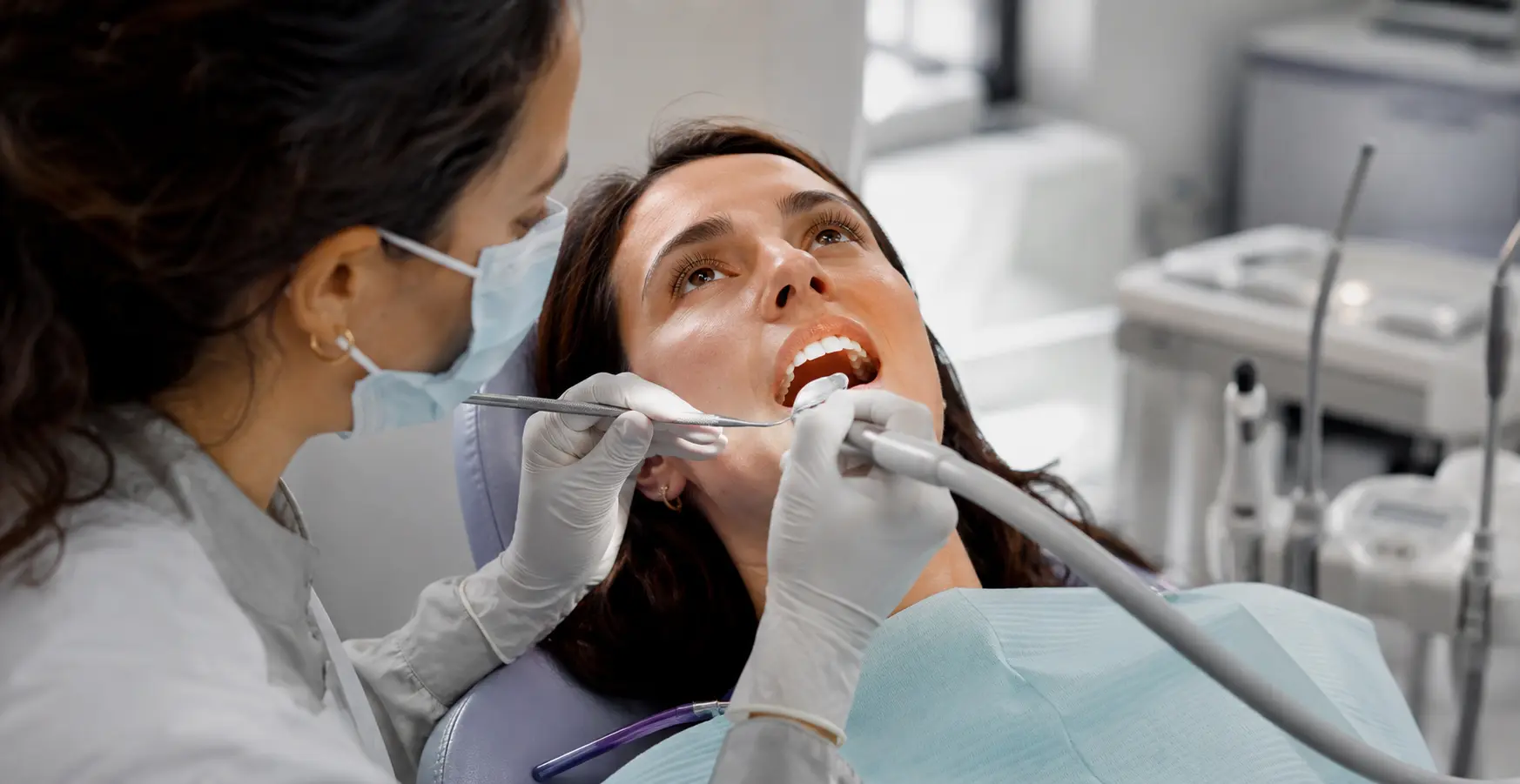
You catch your reflection and immediately think about your teeth, wondering if veneers could finally give you that confident smile you’ve been craving, but you’re terrified of making an irreversible mistake without understanding the real veneers pros and cons.
Pros of veneers
Veneers deliver results that feel almost magical when you first see them. Imagine walking into a dental office with teeth you’ve been self-conscious about for years, and walking out with a smile that looks professionally designed just for your face. That transformation happens fast, often in just two or three appointments. Beyond the aesthetic boost, veneers resist staining far better than natural tooth enamel, so your morning coffee or red wine won’t gradually darken them the way it would your natural teeth. You get to customize everything: the shade, the shape, even the slight translucency to match your skin tone and personality. A 25-year-old professional might choose bright whites for confidence, while another person prefers a softer, more natural tone. The durability is real too. With basic care, you’re looking at a decade or more of a genuinely transformed smile that holds up through daily life.
- Instantly transform your smile in just two to three appointments
- Resistant to stains from coffee, wine, and everyday foods
- Fully customizable in shade, shape, and translucency
Cons of veneers
Here’s where the reality check hits. Getting veneers means your dentist removes a thin layer of enamel from your natural teeth, and that’s permanent. You cannot undo this step. Once that enamel is gone, your teeth become dependent on veneers for protection and appearance. If you’re 22 and getting veneers, you’re committing to replacements every 10 to 15 years for potentially the rest of your life. The cost stings too. A single veneer runs $800 to $2,000, and most people get at least four to six done for a full smile transformation. That’s easily $5,000 to $12,000 out of pocket, and insurance typically won’t cover cosmetic work. Some people experience increased tooth sensitivity after the procedure because the enamel removal exposes more of the tooth structure. You might also notice slight differences in how veneers feel compared to natural teeth, or experience occasional chipping if you bite down on something hard.
📘 Fix your day in under 2 minuteschoose where to begin:
Longevity of veneers
Veneers aren’t a one-time fix and that’s important to understand upfront. Most quality veneers last between 10 and 15 years, though some last longer if you treat them right. Think of them like a car that needs regular maintenance to keep running smoothly. Your daily habits directly impact how long they survive. Avoid grinding your teeth at night, don’t use them as tools to open packages, and skip chewing on ice or hard candy. Regular dental visits every six months let your dentist catch small issues before they become expensive problems. Good oral hygiene matters too: brush twice daily with a soft-bristled toothbrush, floss around the veneer edges, and use a non-abrasive toothpaste. Some young adults get 15 to 20 years out of their veneers through diligent care, while others need replacements sooner due to lifestyle factors. The replacement process is similar to the original but typically costs less because your dentist doesn’t need to remove as much tooth structure the second time around.
Are veneers right for you?
This decision depends on three core questions you need to answer honestly. First, are you genuinely unhappy with your smile in a way that affects your daily life and confidence? Veneers work best for people who have specific cosmetic concerns like discoloration, chips, gaps, or shape issues that orthodontics won’t fix. Second, can you afford not just the initial $5,000 to $12,000 but also the replacement costs down the line? If finances are tight, exploring alternatives like teeth whitening, bonding, or braces might serve you better. Third, are you ready for the commitment and maintenance? If you grind your teeth, play contact sports without a mouthguard, or tend toward impulsive habits, veneers might frustrate you. A 28-year-old who’s been considering this for five years and has stable income and healthy dental habits is often a great candidate. A 21-year-old who just wants them because a celebrity has them might regret the decision. Talk with your dentist about your specific situation, ask about alternatives, and get a clear timeline and cost breakdown before committing.
Final thoughts
Veneers can genuinely transform your smile and the confidence that comes with it, but they’re not a casual decision. They’re a long-term investment in your appearance that requires financial commitment, ongoing maintenance, and acceptance of an irreversible procedure. The best choice depends entirely on your personal situation: your budget, your smile goals, your lifestyle, and how much this matters to your overall wellbeing. Some young adults find veneers absolutely worth it and never look back. Others discover that teeth whitening or orthodontics solved their concerns more affordably. There’s no universal right answer. What matters is that you go into this with clear eyes about both the benefits and the real costs, and that you make a decision that aligns with your values and your life.
Veneers offer an instant smile transformation with stain resistance and customization, but they require permanent enamel removal and come at a high cost of $5,000 to $12,000. They last 10 to 15 years with proper care and maintenance. Consult with a dentist to determine if veneers align with your budget, lifestyle, and long-term dental goals.
Are veneers a permanent solution?
Veneers are semi-permanent and typically last 10 to 15 years with proper care. However, they will eventually need replacement. The enamel removal is permanent, meaning your teeth will always require veneer protection after the initial procedure.
Do veneers feel like natural teeth?
Veneers look and function very similarly to natural teeth, but some people notice slight differences in sensation or feel, especially initially. Most people adapt within a few weeks. The sensation typically feels natural once you adjust to them.
Others also read:
Disclaimer: This article is for informational purposes only and is not a substitute for professional medical advice. Always consult a healthcare professional for personal guidance.
This guide has been prepared and reviewed by the GlobalHealthBeacon editorial team and reflects current medical research as of 2026. It provides structured, evidence-based information to support informed health decisions.
