You catch your reflection and immediately look away because your teeth feel like the one thing holding back your smile, your confidence, and honestly, your whole vibe, so let’s talk about veneers pros and cons and whether they’re actually the move for you.
Understanding veneers
Veneers are ultra-thin shells made of porcelain or composite resin that bond directly to the front surface of your teeth. Think of them like custom-fitted covers that reshape how your smile looks. They can fix stained teeth that won’t whiten, chips from accidents or sports, gaps between teeth, or even teeth that sit at odd angles. A 22-year-old who spent years hiding their smile in photos might get veneers to address discoloration from medication they took as a kid. Another person might have one chipped tooth from a skateboarding accident that bothers them every time they talk. Veneers work because they’re stain-resistant, durable, and designed to match your natural tooth color perfectly. The process requires minimal enamel removal compared to crowns, which means your natural tooth structure stays mostly intact. Modern veneers look indistinguishable from real teeth because they’re custom-made for your mouth, your bite, and your smile.
- Veneers can improve the appearance of stained, chipped, misaligned, or worn teeth.
- Dental veneers are stain-resistant and offer a natural look.
- They require minimal enamel removal during the preparation process.
Pros of getting veneers
The biggest advantage is speed. If you’ve been self-conscious about your smile for years, veneers can transform it in a few weeks instead of years of orthodontics. You get immediate results that feel like a confidence boost overnight. They’re also highly customizable, so you control the shade, shape, and size. If you want a brighter smile, your dentist can match that exact shade. If your teeth are slightly uneven, veneers can create symmetry without braces. They’re durable too, lasting 10 to 15 years with proper care, which means you’re not constantly replacing them. Veneers also resist staining better than natural teeth, so coffee, red wine, and smoking won’t discolor them the way they would your real teeth. For young adults, this means you can maintain that bright smile without obsessing over every beverage. Plus, once they’re bonded, they feel completely natural. You won’t think about them while eating, talking, or kissing. Many people report that the psychological boost from finally having the smile they wanted is worth every penny.
📘 Fix your day in under 2 minuteschoose where to begin:
Cons of getting veneers
Cost is real. Veneers typically run 800 to 2,500 dollars per tooth, and most people get at least four to eight done for a complete smile transformation. That’s a significant investment, especially for young adults early in their careers. Insurance rarely covers veneers because they’re cosmetic, not medically necessary. The process is also irreversible. Your dentist removes a thin layer of enamel to make room for the veneer, and that enamel doesn’t grow back. Once you start, you’re committed to maintaining veneers for life. They can chip or crack if you bite your nails, chew ice, or get hit in the mouth during sports. Some people experience sensitivity to temperature after the procedure because less enamel means less protection. Veneers also need replacement eventually, which means repeat costs. If a veneer breaks, you can’t just fix it; you replace the whole thing. For young people, this long-term commitment and ongoing expense is worth thinking through carefully.
Preparation and procedure
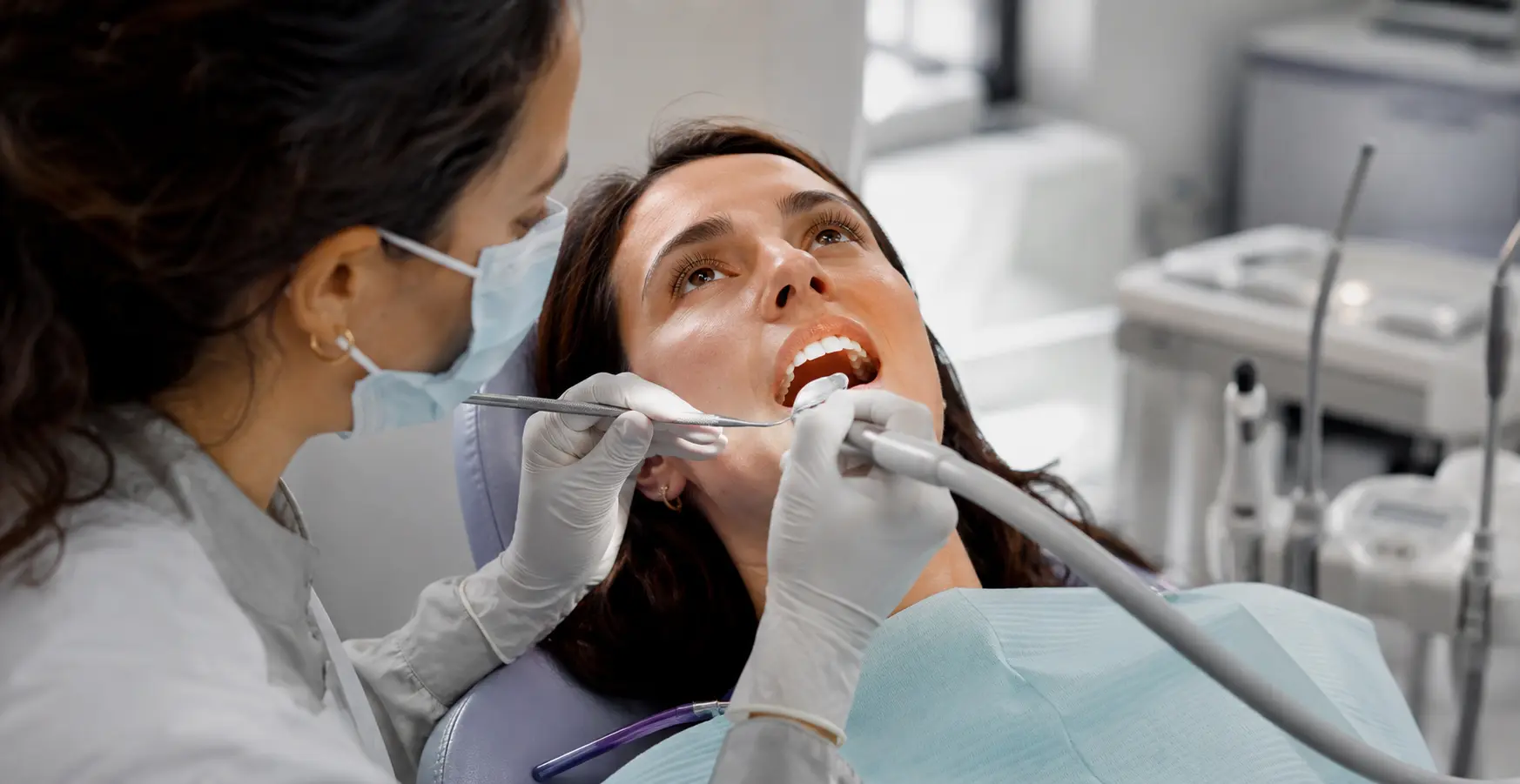
The journey starts with a consultation where your dentist examines your teeth, discusses what you want to achieve, and takes X-rays to check for cavities or underlying issues. This is your chance to be honest about your goals. Do you want a Hollywood-bright smile or something more natural? Do you want your teeth perfectly straight or just improved? Your dentist will also explain what’s realistic for your tooth shape and bite. Next comes tooth preparation. Your dentist removes a thin layer of enamel from the front of each tooth, usually about 0.5 millimeters. This sounds scary but it’s painless because they use a local anesthetic. They then take an impression of your prepared teeth, which gets sent to a lab where technicians craft your custom veneers. This typically takes one to two weeks. During that time, you might wear temporary veneers so you don’t feel self-conscious. Finally, at your second appointment, your dentist bonds the permanent veneers using special adhesive and hardens them with a UV light. They’ll adjust your bite to make sure everything feels comfortable. The whole process usually takes two to three appointments spread over a month.
Aftercare and maintenance
Once your veneers are in place, treating them well keeps them looking perfect for years. Brush twice daily with a non-abrasive toothpaste and floss daily, just like you would with natural teeth. Avoid biting on hard objects like ice, hard candy, or pen caps, which can crack veneers. If you grind your teeth at night, ask your dentist about a night guard because grinding puts stress on veneers. Be mindful of extreme temperature changes, like drinking hot coffee then eating ice cream, because the expansion and contraction can weaken the bond. If you play contact sports, wear a mouthguard to protect your investment. Attend dental check-ups every six months so your dentist can monitor the veneers and catch any issues early. Most importantly, avoid habits that stain natural teeth, like smoking or excessive coffee drinking, because while veneers resist staining, the edges where they meet your tooth can still discolor. With this level of care, your veneers will look fantastic for 10 to 15 years, giving you the confident smile you invested in.
Veneers offer a fast, customizable way to transform your smile and boost your confidence, but they come with real costs, irreversible commitment, and ongoing maintenance. Understanding the full picture of veneers pros and cons, the preparation process, and what aftercare actually looks like helps you make a decision that fits your life, budget, and long-term goals.
Are veneers permanent?
Veneers are considered permanent because the enamel removal process is irreversible. Once your dentist removes that thin layer of enamel, it doesn’t grow back, so you’re committed to having veneers on those teeth for life. However, the veneers themselves are not permanent. They typically last 10 to 15 years before needing replacement due to wear, chipping, or bonding failure. With excellent care and avoiding habits that stress them, some people get 15 to 20 years out of a set.
Do veneers feel natural?
Yes, modern veneers feel completely natural once you adjust to them, which usually takes a few days. They’re custom-made to fit your specific teeth and bite, so they feel like part of your mouth. You won’t think about them while eating, talking, or kissing. Some people notice a slight difference in texture at first, but that sensation fades quickly as your mouth adapts. The key is working with a skilled dentist who ensures proper fit and bite alignment.
Others also read:
Disclaimer: This article is for informational purposes only and is not a substitute for professional medical advice. Always consult a healthcare professional for personal guidance.
This guide has been prepared and reviewed by the GlobalHealthBeacon editorial team and reflects current medical research as of 2026. It provides structured, evidence-based information to support informed health decisions.
