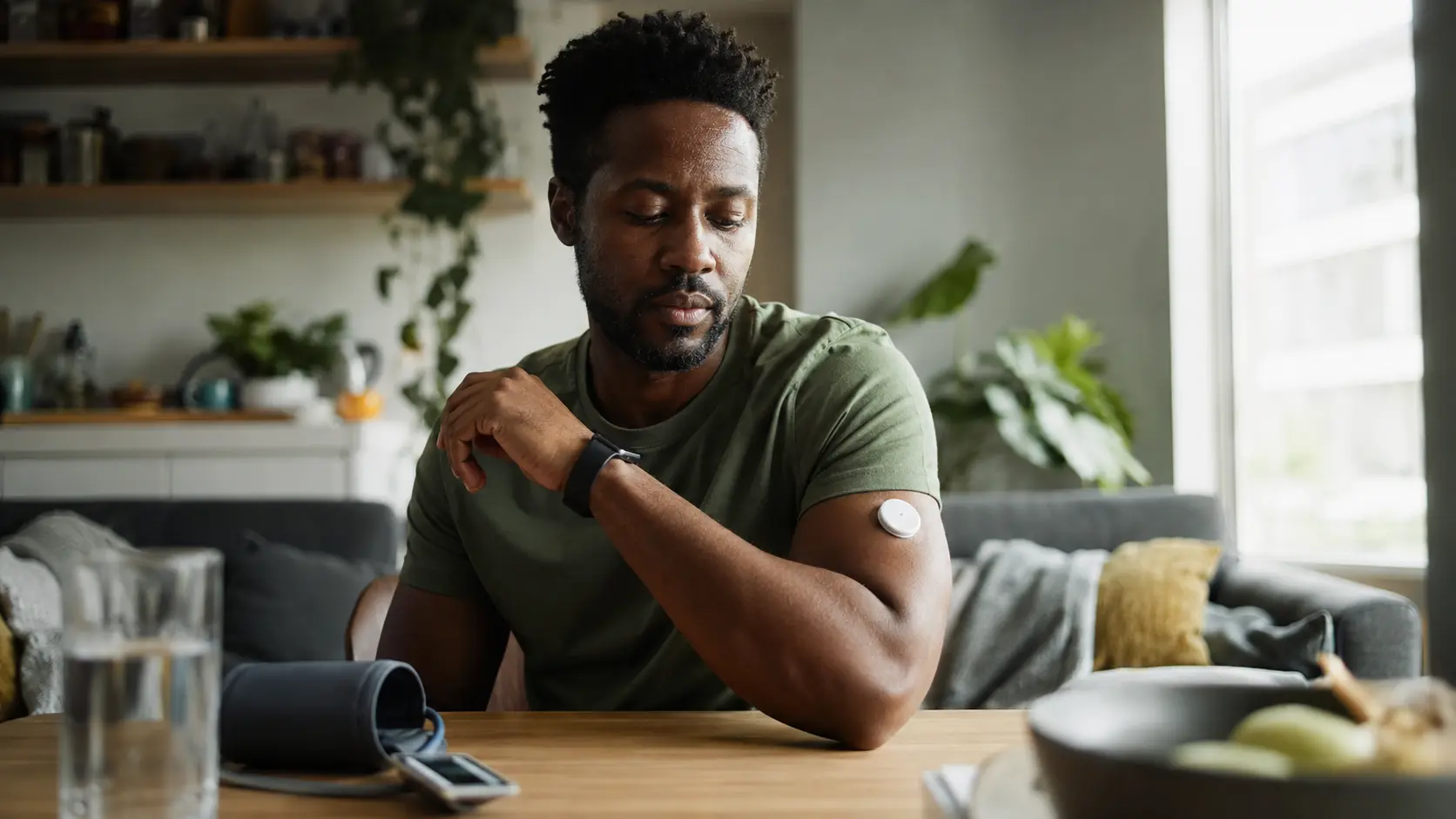
Your heart’s racing, you can’t sleep, you’re stressed out of your mind, and you have absolutely no idea what’s actually happening in your body – but connected health devices can finally give you the answers and control you’re desperately craving.
Understanding your body signals
Picture this: it’s 2 AM and your heart is pounding like you just ran a marathon, except you’re lying in bed scrolling through your phone. You have no idea why it’s happening. Connected health devices transform this frustrating mystery into clarity. Smartwatches and fitness trackers act like personal health translators, decoding what your body is actually trying to tell you in real-time. Instead of spiraling in anxiety, you can see exactly what triggered the spike – maybe it was that third coffee, the stressful email, or just anxiety creeping in. Young adults are using these devices to finally understand the connection between their daily habits and physical responses. You get instant notifications when something shifts, whether it’s your heart rate climbing during a work presentation or your sleep quality dropping after a late night. This isn’t just data for data’s sake; it’s empowerment through knowledge. Suddenly, your body doesn’t feel like a stranger anymore.
- Real-time monitoring of vitals like heart rate and sleep patterns
- Regular alerts on stress levels and physical activity
- Insights into how certain activities affect overall health
Managing daily stressors
Being a young adult feels like juggling flaming swords while someone keeps adding more. Work deadlines pile up, social media creates constant comparison, relationships demand energy, and your body is screaming for rest. Connected health devices recognize this chaos and offer practical tools to actually manage it. Many devices now include guided breathing exercises that activate when your stress levels spike – imagine having a calm voice telling you to breathe when panic starts creeping in. Mindfulness reminders pop up throughout your day, gently suggesting you pause for two minutes instead of pushing through burnout. Some devices even track your stress patterns, showing you that Mondays are always rough or that certain people drain your energy. With this awareness, you can actually plan your week differently. One young professional realized her stress peaked every Wednesday afternoon, so she started scheduling her most demanding tasks for Tuesday instead. Suddenly, Wednesday became manageable. These aren’t replacements for therapy or real solutions, but they’re practical daily support that helps you stay grounded when life gets overwhelming.
💬 Ready to feel better in 2 minutes?choose where to begin:
Tracking fitness and wellness goals
You’ve probably set a fitness goal before, felt motivated for two weeks, then completely lost track of progress and motivation. Connected health devices solve this by making your journey visible and personal. Instead of vague goals like ‘get healthier,’ you see actual numbers: you walked 8,000 steps today, your heart rate improved by 5 beats per minute this month, you’ve hit your water intake goal four days in a row. This tangible feedback creates momentum. Many devices offer personalized workout recommendations based on your current fitness level, not some generic plan designed for everyone. If you’re recovering from an injury, the device adjusts. If you crushed your goals last week, it challenges you appropriately this week. Young adults report that seeing progress visualized – whether through graphs, badges, or streaks – makes them actually want to show up for themselves. One college student used her fitness tracker to stay accountable during a stressful semester; hitting her daily step goal became a non-negotiable form of self-care. The social features also matter: sharing achievements with friends or joining challenges creates gentle accountability without judgment.
Connecting to support networks
Health struggles often feel isolating, especially when you’re young and everyone else seems to have it figured out. Connected health devices connect you to communities of people navigating the exact same challenges. Maybe you’re dealing with irregular sleep patterns, managing stress, or trying to build sustainable fitness habits. Online communities built into or connected to these devices let you see that thousands of people are doing exactly what you’re doing, struggling with the same things, celebrating the same small wins. This normalization is powerful. You realize you’re not broken or lazy; you’re just human. Many platforms let you share your progress, ask questions, and receive encouragement from people who genuinely understand because they’re living it too. Some young adults have found accountability partners through these communities, people they check in with daily. Others simply lurk, gaining comfort from knowing they’re not alone in their 3 AM anxiety or their struggle to maintain consistency. The support isn’t clinical or judgmental; it’s peer-to-peer understanding. For young adults who might feel uncomfortable talking to family or friends about health concerns, these communities provide judgment-free space to be honest and vulnerable.
Connected health devices empower young adults to understand their body signals, manage stress, track fitness goals, and connect with support networks for a holistic approach to health and well-being.
Are connected health devices accurate in monitoring vital signs?
Most connected health devices are designed to provide accurate readings of vital signs like heart rate, sleep patterns, and physical activity. However, it’s recommended to choose FDA-approved devices for better reliability.
Can connected health devices help in managing mental health?
Connected health devices with features like guided breathing exercises and mindfulness reminders can be effective tools for managing stress and improving mental well-being when used in conjunction with professional guidance and support.
Others also read:
Disclaimer: This article is for informational purposes only and is not a substitute for professional medical advice. Always consult a healthcare professional for personal guidance.
This article presents an experience-based perspective and has been reviewed by the GlobalHealthBeacon editorial team in 2026. It provides structured, evidence-based information to support informed health decisions.
