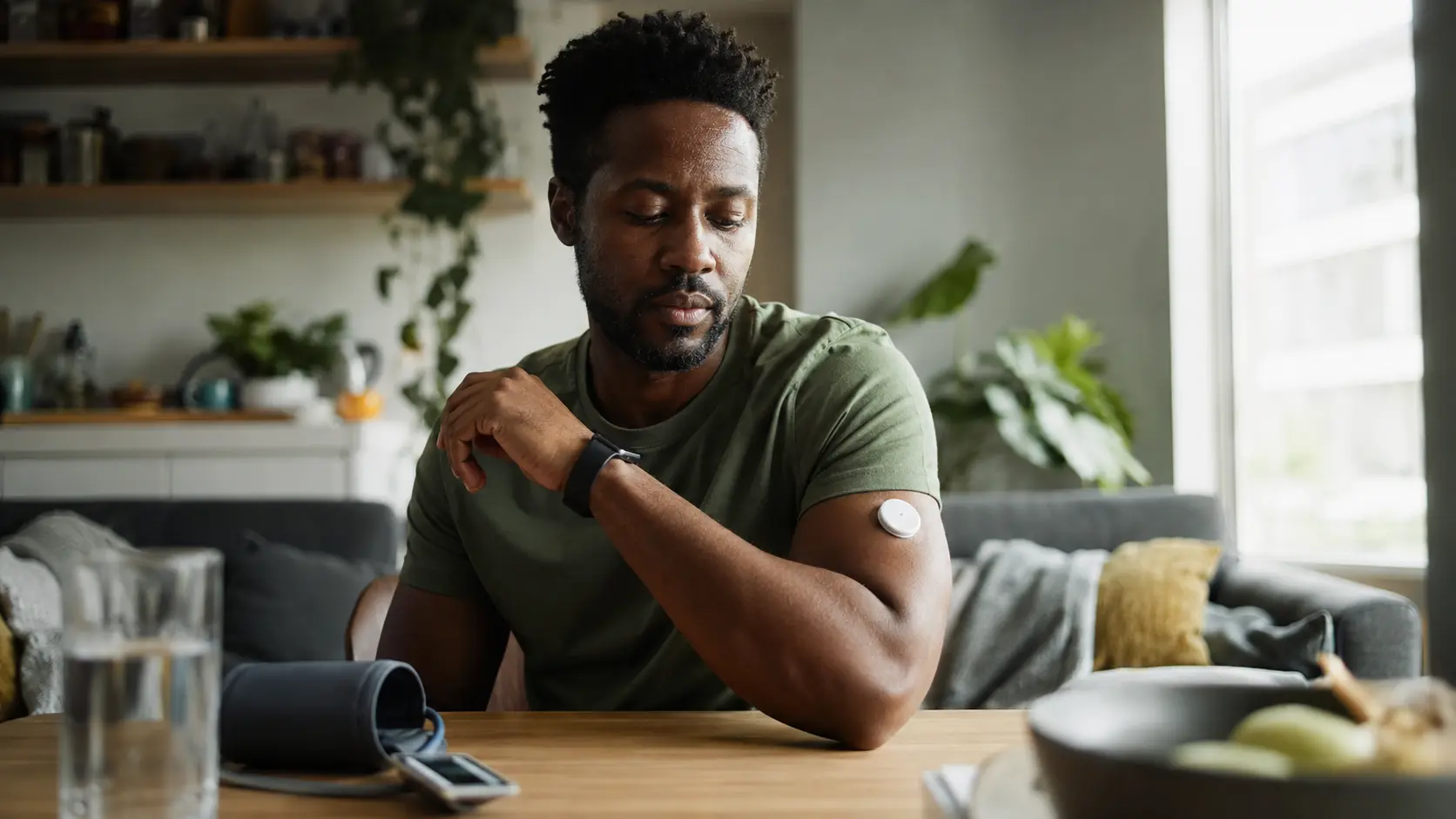
You bought that fitness tracker or health app with genuine excitement, but now it’s collecting dust while you scroll through confusing data you don’t understand and features you’ll never use, wondering if connected health devices are actually worth the effort.
Choosing the right connected health device
Walking into the world of connected health devices can feel like standing in front of an endless wall of options. Start by getting honest about what you actually need. Are you tracking sleep because you’re exhausted and desperate for better rest? Do you want to monitor your heart rate because of family history or anxiety? Maybe you’re managing a chronic condition and need reliable data to share with your doctor. Once you know your real reason, the choice becomes clearer. A woman managing gestational diabetes needs different features than someone training for a marathon. Check if the device syncs smoothly with your phone, whether the app interface makes sense to you on first glance, and whether the data it provides is accurate enough to trust. Read reviews from other women in similar situations, not just tech enthusiasts. Look for devices that fit your lifestyle, not ones that demand you reshape your entire routine around them.
- Identify your health goals and priorities
- Ensure the device is compatible with your smartphone or existing technology
- Read reviews and seek recommendations from trusted sources
Setting realistic health goals
This is where most people stumble. You don’t need to aim for 10,000 steps if you’re currently doing 3,000 and working a desk job. Instead, build from where you are. If your goal is to improve sleep quality, start by tracking your current sleep for two weeks without judgment, then set a specific target like getting to bed 15 minutes earlier or reducing screen time one hour before sleep. Make your goals measurable so your device can actually help you track progress. Instead of vague wishes like ‘be healthier,’ commit to concrete targets: walk 5,000 steps daily for the next month, drink eight glasses of water, or achieve 7 hours of sleep on five nights per week. Use your connected device as a mirror that shows you patterns, not a judge that criticizes you. When you hit small milestones, acknowledge them. These wins build momentum and keep you engaged with your device long-term.
📘 Fix your day in under 2 minuteschoose where to begin:
Establishing a routine
Your connected health device only works if you actually use it consistently. The trick is anchoring it to habits you already have. If you always charge your phone at night, sync your device then. If you have coffee every morning, check your sleep data while you drink it. If you take a lunch break, use that time to log your food or check your activity. Think of women who successfully use these devices: they don’t treat them as separate tasks. A woman managing her weight loss might weigh herself right after her morning shower, before breakfast, making it as automatic as brushing her teeth. Another might review her activity tracker while waiting for her kids at soccer practice. The routine works best when it requires almost no willpower. Set a specific time, attach it to something you already do, and give yourself two weeks to let it become automatic. After that, checking your device becomes as natural as checking your email.
Utilizing data wisely
Your connected health device generates numbers, but numbers alone don’t change your health. The real power comes from spotting patterns. Maybe you notice your sleep drops on nights when you have wine after dinner, or your stress levels spike on Mondays. Perhaps you see that you move more on days when you walk your dog versus days when you drive everywhere. These patterns are your personal health clues. Share relevant data with your doctor, especially if you’re managing a condition. A woman with irregular heartbeats can show her cardiologist weeks of heart rate data, which is far more useful than describing how she felt. Use the trends to make small adjustments: if your energy crashes at 3 PM, maybe you need a snack or a walk. If your activity drops in winter, plan indoor workouts now. Avoid the trap of obsessing over daily numbers. One bad day of steps or one night of poor sleep doesn’t erase your progress. Look at weekly and monthly trends instead, which give you the real picture of your habits.
Seeking support and accountability
Using a connected health device doesn’t mean you’re on a solo journey. Many women find that sharing their progress with others transforms their experience. Join online communities focused on your specific goal, whether that’s managing diabetes, training for a race, or improving sleep. These spaces normalize struggles and celebrate wins with people who actually understand your situation. Invite a friend to use the same app so you can compare notes and encourage each other. Some women find accountability partners invaluable, especially when motivation dips. Share your health goals with family members who can support you, whether that’s a partner who helps you stick to evening walks or a friend who checks in on your progress. You don’t need to broadcast everything publicly, but having even one person who knows what you’re working toward makes a real difference. When you hit obstacles, you have someone to troubleshoot with instead of giving up. The device tracks your numbers, but real people provide the emotional fuel that keeps you going.
Choosing the right connected health device, setting realistic goals, establishing a routine, utilizing data wisely, and seeking support are key components for women to make the most of their connected health devices.
How do I know which connected health device is right for me?
Consider your health goals, technological compatibility, and user reviews to choose a connected health device that aligns with your needs and preferences.
How can I stay motivated to use my connected health device regularly?
Set achievable health goals, establish a daily routine, track your progress, and seek support from online communities or friends to stay motivated and accountable.
Others also read:
Disclaimer: This article is for informational purposes only and is not a substitute for professional medical advice. Always consult a healthcare professional for personal guidance.
This guide has been prepared and reviewed by the GlobalHealthBeacon editorial team and reflects current medical research as of 2026. It provides structured, evidence-based information to support informed health decisions.
