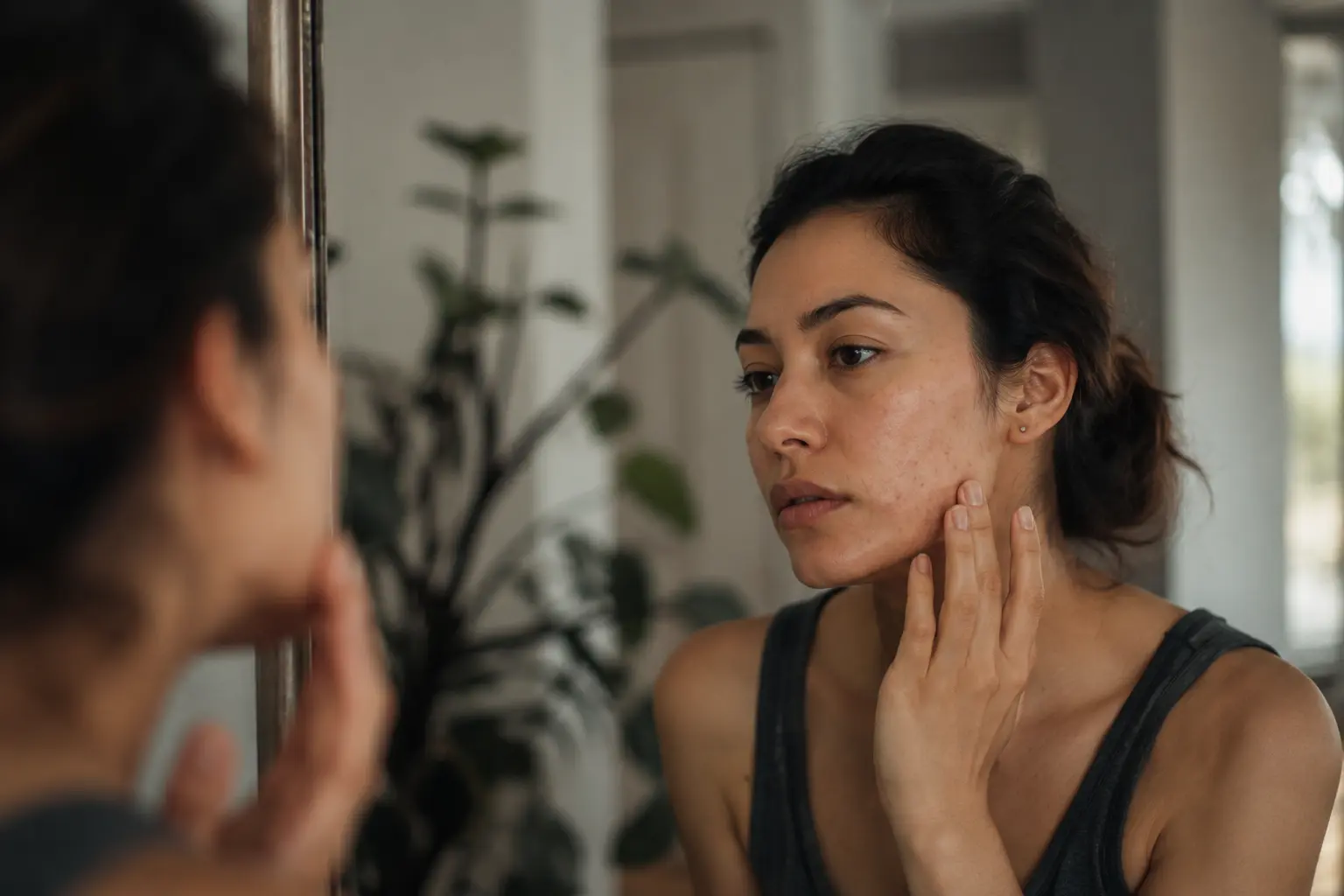
Your skin feels thinner, drier, and suddenly prone to breakouts you haven’t seen since your twenties, and nobody warned you that hormonal skin changes would hit this hard in your 50s and 60s.
Understanding hormonal skin changes
Hormonal skin changes represent one of the most significant biological shifts your skin undergoes as you age. These changes are not random or unpredictable; they follow a clear biological pattern driven by declining hormone levels, particularly estrogen and testosterone. Think of your skin as a living ecosystem that depends on hormonal signals to maintain its structure and function. When those signals weaken, your skin responds in measurable ways. For many people, the first sign is a subtle loss of firmness around the jawline or cheeks. Others notice their skin feels perpetually tight and uncomfortable, no matter how much moisturizer they apply. These shifts occur in both men and women, though the timing and intensity may differ. Understanding this process helps you recognize what is happening to your skin is not a personal failing but a natural biological consequence of aging that affects the majority of people in their later decades.
Mechanisms behind hormonal skin changes
The biological mechanisms driving hormonal skin changes are well-documented in dermatological research. As hormone levels decline, your skin loses its ability to retain moisture as effectively as it once did. Collagen, the protein responsible for skin firmness and elasticity, is produced more slowly. Oil production decreases, leaving skin vulnerable to dryness and irritation. Imagine your skin as a brick wall where collagen acts as the mortar holding everything together. When collagen production slows, those bricks begin to shift, creating visible lines and wrinkles. Additionally, hormonal fluctuations can trigger inflammatory responses in the skin, leading to conditions like adult acne or rosacea, even if you never experienced these issues in your younger years. Some people develop sensitivity to products they have used for decades. Others notice their skin tone becomes uneven or develops age spots more rapidly. These are not separate problems but interconnected effects of the same underlying hormonal shift. Understanding this cascade of changes helps explain why a single skincare product cannot address all the concerns that emerge simultaneously.
Effective strategies for managing hormonal skin changes
Managing hormonal skin changes requires a multi-layered approach tailored to your specific skin needs. Hydration is foundational because dehydrated skin appears more lined and feels uncomfortable, but hydration goes beyond drinking water. Your skin needs moisture delivered topically through appropriate products and supported internally through consistent fluid intake. Gentle skincare becomes critical because irritated skin cannot repair itself effectively; harsh cleansers or aggressive exfoliation can trigger inflammation that worsens existing conditions. Many people discover that the products they relied on for years now cause sensitivity or redness. Topical treatments like retinoids work by stimulating collagen production and accelerating cell turnover, though they require gradual introduction to avoid irritation. Antioxidants such as vitamin C or niacinamide help protect skin from environmental damage and support the skin barrier. Some individuals benefit from peptide-based products that signal skin cells to increase collagen synthesis. The key is consistency and patience; visible improvements typically require three to six months of regular use. Starting with one new product at a time allows you to identify what your skin tolerates and what triggers sensitivity.
- Stay hydrated by drinking adequate water daily and using hydrating serums or moisturizers suited to your skin type.
- Select gentle, fragrance-free skincare products designed for sensitive or mature skin to minimize irritation.
- Consider topical treatments like retinoids, vitamin C, or niacinamide for targeted support of collagen and skin barrier function.
🔬 Science-backed benefits in 2 minuteschoose where to begin:
Maintaining skin health through lifestyle choices
Your skin reflects your overall health more accurately than any single product can address. A balanced diet rich in omega-3 fatty acids, antioxidants, and vitamins supports skin resilience from within. Regular physical activity improves circulation, delivering oxygen and nutrients to skin cells more efficiently. Adequate sleep allows your body to repair and regenerate skin tissue; chronic sleep deprivation visibly accelerates skin aging. Consider the difference between someone who sleeps seven hours nightly and someone chronically sleep-deprived; the skin quality gap becomes apparent within weeks. Avoiding tobacco is non-negotiable because smoking accelerates collagen breakdown and impairs skin healing. Sun exposure remains one of the most damaging factors, causing photoaging that compounds hormonal changes. Many people underestimate cumulative sun damage accumulated over decades. Stress management matters because cortisol elevation triggers inflammation throughout the body, including the skin. Some individuals find that reducing stress through meditation, gentle exercise, or social connection noticeably improves their skin within weeks. Limiting alcohol consumption also helps because alcohol dehydrates skin and impairs the skin barrier. These lifestyle factors work synergistically; someone who sleeps well, manages stress, eats nutritiously, and protects from sun will see better results than someone relying solely on topical treatments.
Seeking professional guidance for hormonal skin changes
A dermatologist brings specialized knowledge that helps you navigate hormonal skin changes with confidence and clarity. They can assess your specific skin type, identify underlying conditions, and recommend treatments matched to your individual needs rather than generic solutions. Some people benefit from prescription-strength retinoids that are more potent than over-the-counter options. Others may need treatment for rosacea or other inflammatory conditions triggered by hormonal shifts. A dermatologist can also discuss whether professional procedures like chemical peels, microneedling, or laser treatments might accelerate improvement. These procedures work by stimulating collagen production and removing damaged outer layers of skin. Some individuals find that combining professional treatments with a solid home skincare routine produces results that neither approach achieves alone. Additionally, dermatologists stay current with emerging research and new products, helping you avoid ineffective options or harmful trends. They can also monitor for skin cancers, which become more common with age and sun exposure. The investment in professional guidance often saves money long-term by preventing ineffective product purchases and identifying treatments that actually work for your skin.
Embracing natural aging and skin changes
Accepting hormonal skin changes as a natural part of aging represents a psychological shift as important as any skincare routine. Many people spend years fighting against visible signs of aging, only to discover that self-compassion and realistic expectations improve their quality of life more than perfect skin ever could. Your skin tells the story of your life, reflecting decades of experiences, sun exposure, laughter, and resilience. Some cultures celebrate these marks as signs of wisdom and lived experience rather than flaws to eliminate. Embracing self-care practices becomes about nourishing yourself rather than pursuing an impossible standard. This might mean investing in a skincare routine you genuinely enjoy, taking time for a relaxing bath, or spending money on treatments that make you feel confident. Maintaining a positive outlook and focusing on what your skin does rather than how it looks often improves both mental well-being and actual skin health. People who approach aging with acceptance rather than resistance report greater satisfaction with their appearance and overall life quality. This does not mean neglecting your skin; rather, it means caring for it from a place of self-respect rather than self-criticism.
Age-related hormonal skin changes stem from declining hormone levels that affect skin structure, moisture retention, and collagen production. These shifts are universal but manageable through hydration, gentle skincare, targeted topical treatments, lifestyle optimization, and professional guidance when needed. Accepting natural aging while actively caring for your skin creates the foundation for confidence and well-being.
Are hormonal skin changes reversible?
Hormonal skin changes cannot be fully reversed because they result from fundamental biological shifts in hormone production. However, appropriate skincare routines, lifestyle habits, and professional treatments can significantly minimize their visible effects and improve skin quality. Many people achieve substantial improvement through consistent effort, even if they cannot return to their skin’s appearance from decades earlier.
Can hormonal skin changes be prevented?
Hormonal skin changes are an inevitable part of aging and cannot be prevented entirely. However, maintaining a healthy lifestyle including sun protection, adequate sleep, stress management, proper nutrition, and regular exercise can slow the rate at which these changes become visible. Starting preventive skincare in your 40s may also help minimize the severity of changes that emerge later.
Others also read:
Disclaimer: This article is for informational purposes only and is not a substitute for professional medical advice. Always consult a healthcare professional for personal guidance.
This article has been prepared and reviewed by the GlobalHealthBeacon editorial team and is based on current medical research and published scientific literature available in 2026. It provides structured, evidence-based information to support informed health decisions.

