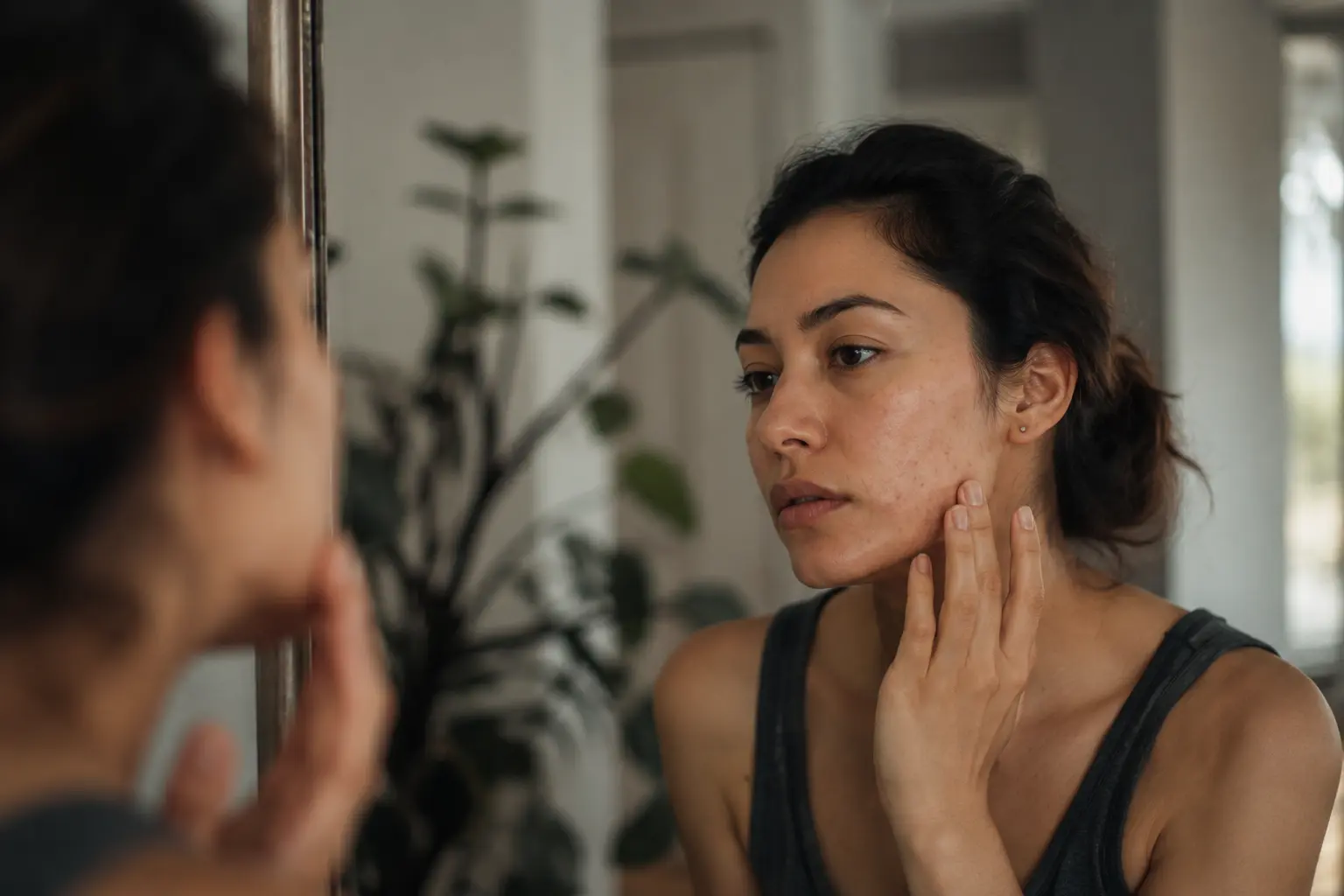
Your skin erupts right before your period, stress sends your face into chaos, and no amount of face washing seems to fix it because hormonal skin changes are running the show.
Understanding hormonal breakouts
Hormonal breakouts happen when your body shifts estrogen, progesterone, and testosterone levels, especially during your menstrual cycle, pregnancy, or times of high stress. When these hormones spike, your sebaceous glands kick into overdrive, producing excess oil that clogs pores and traps bacteria. Think of it like this: during the luteal phase of your cycle, progesterone rises and can trigger inflammation, making existing breakouts angrier and more noticeable. You might notice breakouts clustering around your jawline, chin, and cheeks rather than scattered across your face. Many women describe this pattern as predictable, appearing roughly 7 to 10 days before their period starts. Understanding this timing helps you prepare your skin in advance rather than scrambling for solutions when breakouts appear. The key is recognizing that hormonal acne is not a reflection of poor hygiene or skincare habits, but rather a biological response to internal hormonal shifts that every woman experiences differently.
- Track your breakout patterns for two to three months to identify when hormonal flare-ups occur in your cycle.
- Use products with salicylic acid or benzoyl peroxide during predicted breakout windows to prevent clogged pores before they form.
- Stay hydrated by drinking at least 8 glasses of water daily and follow a balanced diet rich in whole foods to support skin barrier function.
Balancing hormones naturally
Your lifestyle choices directly influence hormone production and regulation, which means small daily adjustments can reduce breakout severity over time. Stress is a major hormone disruptor because cortisol spikes trigger inflammatory responses in your skin, worsening existing acne. Practicing 10 to 15 minutes of yoga, meditation, or deep breathing exercises three times weekly can lower cortisol and create noticeable improvements within four to six weeks. Regular exercise, particularly cardio and strength training four times per week, improves insulin sensitivity and helps regulate estrogen and progesterone naturally. Sleep quality matters enormously: aim for 7 to 9 hours nightly because poor sleep disrupts your circadian rhythm and throws hormones out of balance. Consider tracking your sleep patterns alongside your skin to see the connection. Many women find that even adding one extra hour of sleep during their luteal phase significantly reduces breakout intensity. If stress and sleep are your main triggers, prioritizing these two factors alone can sometimes reduce hormonal breakouts by 30 to 50 percent without any other changes.
📘 Fix your day in under 2 minuteschoose where to begin:
Nutrition for hormonal health
What you eat directly influences hormone production and skin inflammation, making nutrition one of your most powerful tools. Omega-3 fatty acids found in fatty fish like salmon, sardines, and mackerel reduce systemic inflammation and calm angry breakouts from the inside out. Antioxidants from berries, dark leafy greens, and colorful vegetables protect your skin cells from oxidative stress triggered by hormonal fluctuations. Zinc, found in pumpkin seeds, chickpeas, and lean beef, regulates sebum production and supports skin healing. Conversely, high-glycemic foods like refined sugars and white bread spike insulin levels, which trigger androgen production and increase sebum output, making breakouts worse. Dairy is another common trigger because milk contains hormones that can amplify your own hormonal fluctuations. Try eliminating dairy for four weeks and track whether your breakouts improve. Many women discover that simply swapping cow’s milk for almond or oat milk reduces breakout frequency significantly. Focus on whole foods, healthy fats, and lean proteins rather than processed snacks. Your skin reflects your nutritional choices, and consistent dietary improvements often show visible results within six to eight weeks.
Effective skincare habits
Your daily skincare routine is your first line of defense against hormonal breakouts, but only if you choose products and techniques that support rather than irritate your skin. Non-comedogenic products are essential because they won’t clog pores or trap bacteria, which is especially critical during high-breakout phases. Gentle exfoliation two to three times weekly removes dead skin cells that accumulate and block pores, but over-exfoliating strips your skin’s natural protective oils and triggers more sebum production as compensation. Many women make the mistake of over-washing their face, thinking more cleaning equals clearer skin, but this backfires by disrupting your skin barrier. Wash your face twice daily with lukewarm water and a gentle cleanser, then pat dry instead of rubbing. Apply a lightweight, oil-free moisturizer even if you have oily skin because dehydrated skin produces more oil to compensate. During breakout phases, add a targeted treatment with salicylic acid or niacinamide to problem areas, but introduce new products one at a time so you can identify what actually helps versus what causes irritation. Consistency matters more than complexity: a simple routine you follow daily beats an elaborate routine you abandon after two weeks.
Consulting a dermatologist
If you have tried lifestyle changes, improved nutrition, consistent skincare, and stress management for three to four months without significant improvement, professional help becomes your next logical step. A dermatologist can assess whether your breakouts are truly hormonal or caused by other factors like bacterial overgrowth or allergies. They can prescribe topical retinoids, which are far more potent than over-the-counter options and work by regulating skin cell turnover and reducing sebum production. For moderate to severe hormonal acne, dermatologists often recommend hormonal birth control, which stabilizes estrogen and progesterone levels and reduces breakout frequency in many women. Spironolactone is another prescription option that blocks androgen receptors and decreases sebum production specifically. Light therapy treatments like blue light therapy kill acne-causing bacteria, while chemical peels remove damaged outer skin layers and unclog pores deeply. A dermatologist can also rule out conditions like polycystic ovary syndrome (PCOS) or thyroid disorders that mimic hormonal acne but require different treatment approaches. Don’t wait until breakouts severely impact your confidence or leave scarring: seeking professional guidance when self-care strategies plateau is a smart, proactive decision.
Hormonal breakouts are a normal part of being a woman, and you have multiple effective tools to manage them. Start by understanding your personal breakout patterns, then address stress, sleep, and nutrition as your foundation. Layer in consistent skincare with targeted products, and consult a dermatologist if needed. Most women see meaningful improvement within two to three months of implementing these strategies together.
How long does it take to see improvements in hormonal breakouts?
Results vary by individual and depend on which strategies you implement. Skincare changes often show results within two to four weeks, while lifestyle and nutritional changes typically take six to eight weeks to produce noticeable skin improvements. If you start prescription treatments or hormonal birth control, expect three to four months for full benefits. Consistency matters more than speed: stick with your chosen approach for at least two to three months before deciding whether it works for you.
Are hormonal breakouts only common during specific life stages?
Hormonal breakouts can occur at any age due to hormonal fluctuations. While they are most commonly associated with puberty, the menstrual cycle, and perimenopause, adult women in their 20s, 30s, and 40s experience them regularly. Pregnancy, hormonal birth control changes, stress spikes, and thyroid imbalances can trigger breakouts at any life stage. If you suddenly develop acne in adulthood after years of clear skin, hormonal shifts are often the culprit.
Others also read:
Disclaimer: This article is for informational purposes only and is not a substitute for professional medical advice. Always consult a healthcare professional for personal guidance.
This guide has been prepared and reviewed by the GlobalHealthBeacon editorial team and reflects current medical research as of 2026. It provides structured, evidence-based information to support informed health decisions.

