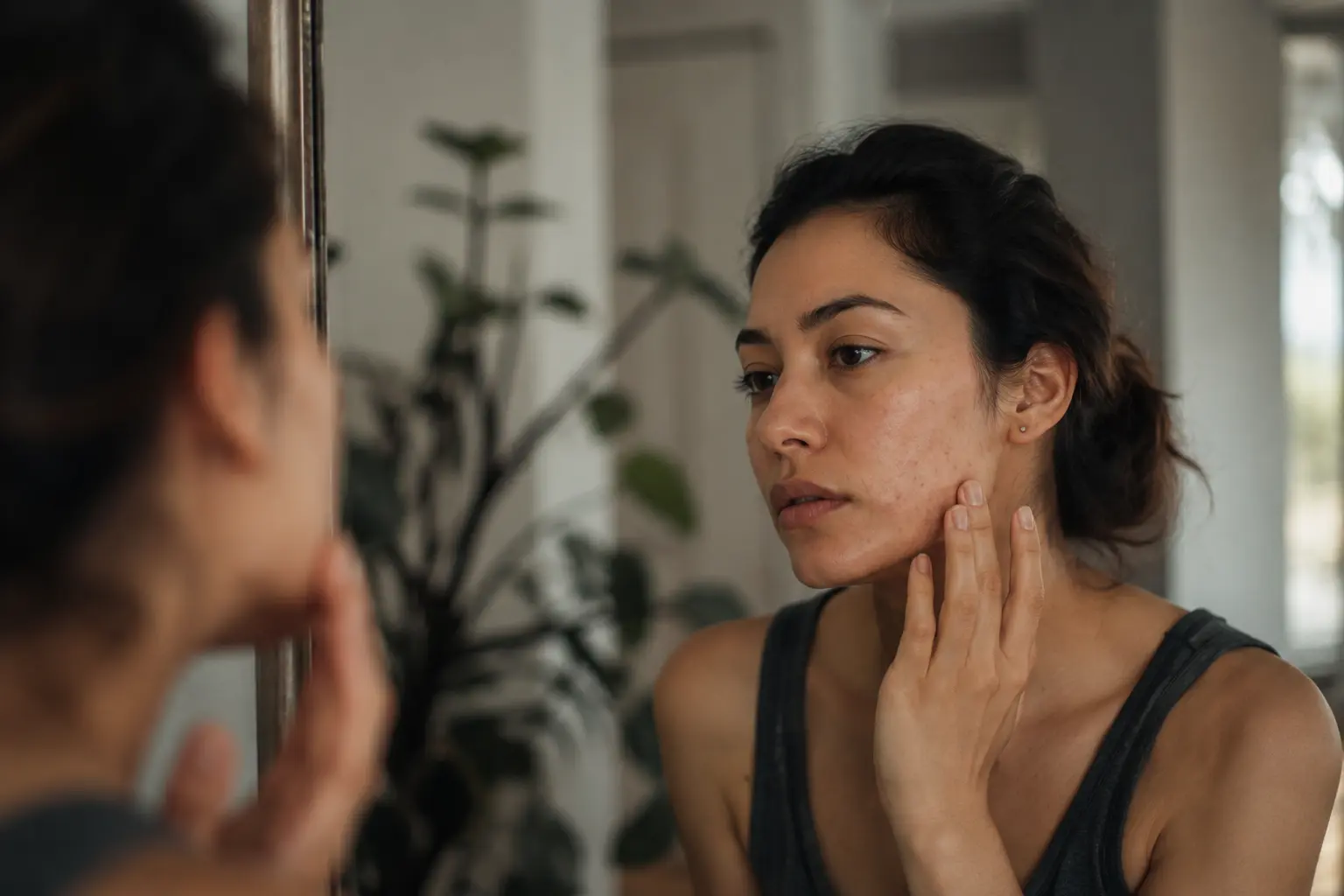
You wake up, look in the mirror, and there it is again – another breakout right before an important meeting, or maybe those stubborn patches that won’t budge no matter what you try, because hormonal skin changes have completely hijacked your confidence and your skincare routine feels like a losing battle.
Finding the right skincare routine
Sarah spent two years trying every trending product on social media before realizing her hormonal skin needed something completely different. She discovered that establishing a consistent skincare routine tailored specifically to hormonal fluctuations made all the difference. Instead of jumping between products every few weeks, she committed to a simple regimen using gentle cleansers that didn’t strip her skin, hydrating serums that actually penetrated, and non-comedogenic moisturizers that worked with her skin rather than against it. The turning point came when she stopped chasing quick fixes and started thinking about her skin’s actual needs throughout her cycle. Many women report that this patient, intentional approach takes about four to six weeks before real improvements show, but the consistency is what transforms everything.
- Choose products with ingredients like salicylic acid, niacinamide, and hyaluronic acid.
- Avoid harsh exfoliants that can irritate sensitive skin.
- Don’t forget to apply sunscreen daily to protect your skin from UV damage.
Balancing hormones internally
Jessica realized her skin troubles weren’t just a surface problem when she finally connected the dots between her breakouts and her menstrual cycle. Working with a healthcare provider opened up conversations about what was actually happening inside her body. Some women find relief through hormone-regulating medications prescribed by their doctors, while others explore natural remedies like adaptogenic herbs that help the body manage stress more effectively. The key insight many women discover is that your skin is literally a reflection of your internal hormonal environment. When your hormones are in chaos, your skin shows it. By addressing the root cause rather than just treating the symptoms, women report feeling more empowered and seeing longer-lasting improvements that skincare alone simply cannot achieve.
💬 Ready to feel better in 2 minutes?choose where to begin:
Understanding triggers and lifestyle changes
Emma kept a detailed journal for three months and discovered something revealing: her skin flared up predictably after high-stress work weeks, when she ate too much processed food, or when she sacrificed sleep for deadlines. Identifying these personal triggers became her superpower. She started incorporating stress-reducing activities like yoga or evening walks, shifted her diet toward whole foods and omega-3s, and made sleep a non-negotiable priority. What surprised her most was how quickly her skin responded once she addressed these lifestyle factors. Women consistently report that this detective work, while it takes patience, reveals patterns unique to their bodies. The combination of managing stress, eating thoughtfully, and protecting your sleep creates an environment where your skin can actually heal and balance itself naturally.
Seeking professional advice
When Rachel’s hormonal skin reached a point where nothing seemed to help, she finally scheduled an appointment with a dermatologist who specialized in hormonal concerns. That single conversation changed everything. The dermatologist provided a personalized treatment plan that combined targeted skincare with insights into her specific hormonal patterns. In severe cases, professional guidance from a dermatologist or endocrinologist can reveal treatment options you never knew existed, from prescription-strength topicals to procedures designed specifically for hormonal breakouts. Women who take this step often describe feeling genuinely heard and understood for the first time, because professionals can connect the dots between your symptoms and actual solutions tailored to your unique situation rather than generic advice.
Addressing hormonal skin changes requires a holistic approach that includes skincare, internal balance, trigger identification, and expert advice. Women have found relief by establishing consistent routines, balancing hormones, making lifestyle changes, and seeking professional help.
Can hormonal skin changes be reversed?
While hormonal skin changes can be managed and improved, complete reversal may not always be possible. Consistent skincare, hormonal balance, and healthy lifestyle choices can help minimize their impact.
Are prescription medications necessary for treating hormonal skin changes?
Prescription medications may be recommended in severe cases of hormonal skin changes. Consulting with a healthcare provider is essential to determine the most appropriate treatment plan for individual needs.
Others also read:
Disclaimer: This article is for informational purposes only and is not a substitute for professional medical advice. Always consult a healthcare professional for personal guidance.
This article presents an experience-based perspective and has been reviewed by the GlobalHealthBeacon editorial team in 2026. It provides structured, evidence-based information to support informed health decisions.

