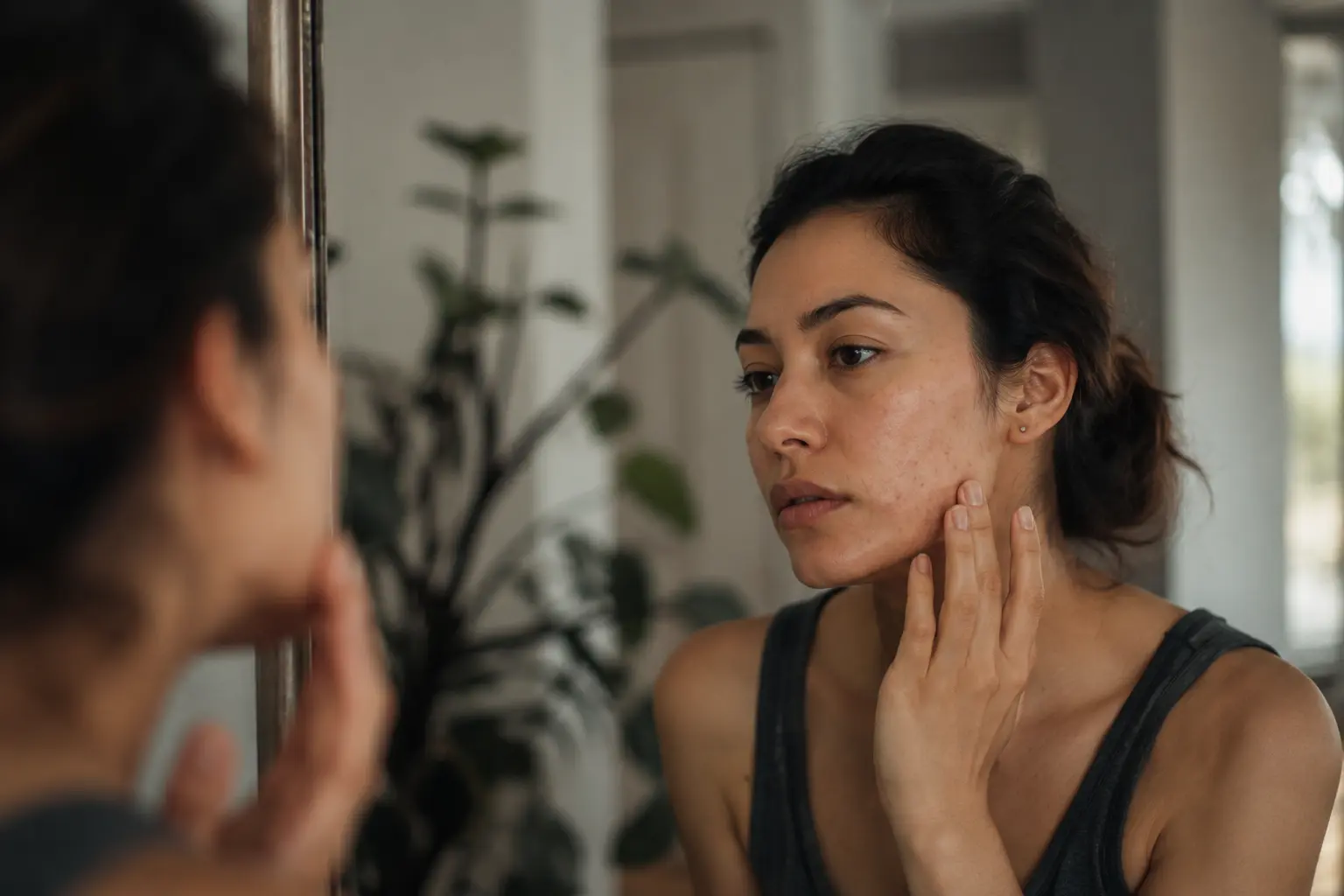
Your skin suddenly feels like a stranger’s, breaking out one day and flaking off the next, and hormonal skin changes during menopause can feel like you’ve lost control of the one thing you thought you knew how to take care of.
Understanding hormonal skin changes
Picture this: you wake up one morning and your skin feels tight and uncomfortable, almost like it’s shrinking. That’s what hormonal skin changes feel like for many seniors navigating menopause. The dryness creeps in first, then you might notice sagging, unexpected acne breakouts, or dark patches you’ve never seen before. These shifts happen because your body’s hormone levels are fluctuating dramatically, especially estrogen, which plays a huge role in keeping your skin plump and hydrated. Understanding why this is happening is half the battle. It’s not because you suddenly stopped caring for yourself or because your old routine failed you. Your skin’s needs have genuinely changed, and that’s completely normal. Once you recognize these patterns as a natural part of this life stage, you can stop blaming yourself and start finding solutions that actually work for your skin right now.
- Stay hydrated to combat dry skin.
- Include moisturizers with hyaluronic acid in your routine.
- Consider incorporating retinol to address signs of aging.
Managing hormonal acne
Hormonal acne during menopause can feel like a cruel joke. You thought acne was behind you decades ago, and yet here it is again, usually popping up around your chin and jawline. This happens because fluctuating androgen levels can trigger your skin’s oil glands to produce more sebum, creating the perfect environment for breakouts. The key is being gentle with your skin, not aggressive. Many people make the mistake of using harsh scrubs or strong acne treatments that irritate already sensitive skin, making everything worse. Instead, reach for a mild cleanser that won’t strip your skin, and avoid products with fragrance or alcohol. If you do want to target spots, salicylic acid can help, but use it sparingly and only on affected areas. Most importantly, consider talking to a dermatologist who understands menopausal skin. They can recommend treatments tailored specifically to your hormonal situation, which makes all the difference.
💬 Ready to feel better in 2 minutes?choose where to begin:
Dealing with hyperpigmentation
Those dark spots that seem to appear overnight on your face, hands, or chest are hyperpigmentation, and they’re incredibly common during menopause. Your skin is essentially overproducing melanin in certain areas due to hormonal shifts, and sun exposure makes it worse. This is where sunscreen becomes non-negotiable, not just a nice-to-have. Using SPF 30 or higher every single day, even on cloudy days, can prevent new spots from forming and stop existing ones from darkening further. Beyond sun protection, ingredients like vitamin C and niacinamide can gradually help lighten those stubborn spots. Vitamin C is a powerful antioxidant that brightens skin, while niacinamide reduces redness and evens out tone. The catch is consistency. You won’t see results overnight, but after three to four months of steady use, many people notice a real difference. Think of it as an investment in your skin’s future, not a quick fix.
Combatting dryness and wrinkles
Dryness and wrinkles often show up together during menopause, and they can feel like a one-two punch. Without enough estrogen, your skin loses its ability to retain moisture, so even if you drink plenty of water, your skin still feels parched. Wrinkles deepen because your skin lacks that plumpness and elasticity it once had. The solution isn’t about finding the most expensive cream, it’s about choosing the right ingredients. Rich moisturizers containing ceramides help repair your skin barrier and lock in hydration, while peptides signal your skin to produce more collagen, gradually improving elasticity. Many seniors find that adding a facial oil to their routine, especially at night, makes a huge difference. Oils like jojoba or rosehip sit on top of your moisturizer and create a protective seal, preventing water loss while you sleep. The gentle approach matters too. Skip the aggressive exfoliation and hot showers that strip moisture away. Instead, use lukewarm water and pat your skin dry gently, then apply moisturizer while your skin is still slightly damp.
Menopausal hormonal skin changes can present challenges like dryness, acne, hyperpigmentation, and wrinkles. Understanding the underlying causes of these issues is essential for effective skincare. By focusing on hydration, gentle products, and personalized solutions, seniors can find relief and restore their skin’s health.
What are the common hormonal skin changes during menopause?
Common hormonal skin changes during menopause include dryness, acne, hyperpigmentation, and wrinkles. These shifts are a result of fluctuating hormone levels and can impact confidence and comfort levels.
How can I manage hormonal acne associated with menopause?
To manage hormonal acne during menopause, opt for gentle cleansers, avoid harsh products, consider spot treatments with salicylic acid, and consult a dermatologist for personalized advice.
Others also read:
Disclaimer: This article is for informational purposes only and is not a substitute for professional medical advice. Always consult a healthcare professional for personal guidance.
This article presents an experience-based perspective and has been reviewed by the GlobalHealthBeacon editorial team in 2026. It provides structured, evidence-based information to support informed health decisions.

