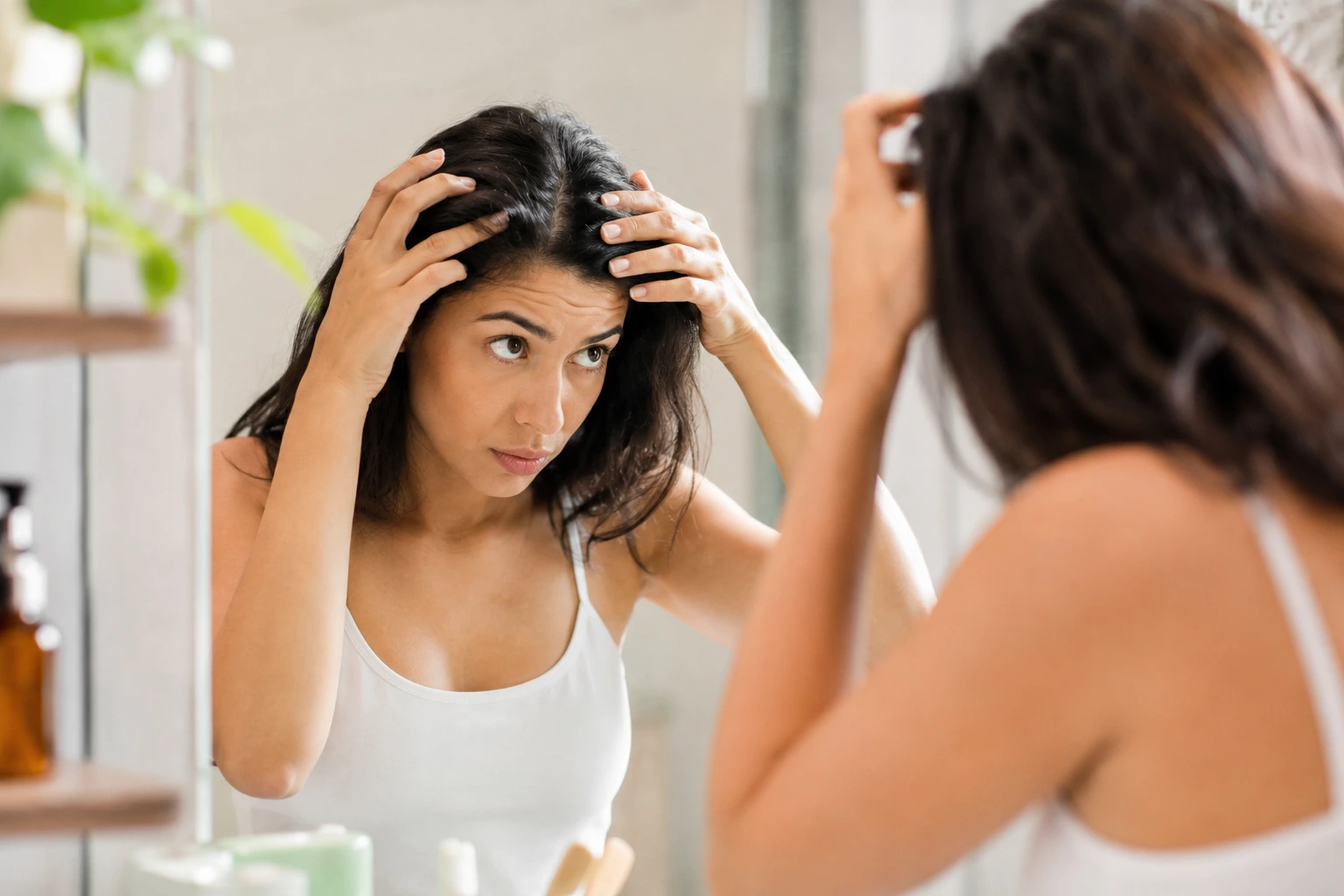
I was scratching my scalp raw at my desk, leaving flakes all over my black hoodie, until I finally committed to a real scalp health routine that actually changed everything.
Understanding the basics
When I first started my scalp health routine journey, I realized I knew almost nothing about what my scalp actually needed. I spent weeks researching different scalp types and quickly discovered I’d been using the wrong shampoo for years. My scalp is naturally oily, but I was treating it like it was dry by using heavy moisturizing products that made everything worse. Learning about sulfates and their stripping effects was eye-opening. I found out that my scalp’s oil production was actually overcompensating because I was damaging it with harsh chemicals. I also learned scalp massage isn’t just a luxury spa thing. When I started massaging my scalp for two minutes during every shower, I noticed improved circulation and less itchiness within a week. Understanding these fundamentals transformed how I approached my entire routine.
- Identify your scalp type (oily, dry, combination)
- Choose a gentle, sulfate-free shampoo
- Incorporate scalp massage techniques for circulation
Daily care rituals
Creating a consistent daily routine was honestly what made the biggest difference for me. I stopped washing my hair every single day because I learned that was stripping my natural oils. Instead, I settled on a three-times-a-week washing schedule that worked perfectly with my lifestyle. On non-wash days, I started using a lightweight scalp oil that I’d apply at night before bed. The ritual of it became almost meditative. I’d massage it in while listening to music, and by morning my scalp felt nourished instead of tight. I also started wearing a baseball cap when I was outside for extended periods, protecting my scalp from sun damage I didn’t even know was happening. These small daily habits stacked up quickly. Within three weeks, my scalp stopped itching constantly, and I wasn’t finding flakes on my shoulders anymore. The consistency mattered more than any single product.
💬 Ready to feel better in 2 minutes?choose where to begin:
Mindful diet adjustments
I didn’t expect my breakfast choices to impact my scalp, but they absolutely do. When I started eating more foods rich in omega-3 fatty acids like salmon and walnuts, I noticed my scalp felt less dry and irritated. I also increased my intake of biotin-rich foods like eggs and almonds after reading that biotin supports scalp health. Adding more leafy greens meant more antioxidants, which seemed to reduce inflammation on my scalp. I cut back on processed foods and sugary drinks because I read they can trigger inflammatory responses. Honestly, the diet changes felt connected to everything else I was doing. It wasn’t just about topical products anymore. I was nourishing my scalp from the inside out. I started tracking how I felt after certain meals and noticed patterns. When I ate cleaner, my scalp responded better. This holistic approach made me feel like I was actually taking control of my scalp health instead of just reacting to problems.
Seeking professional advice
After two months of my own routine, I still had occasional flaking and mild itchiness that wouldn’t completely go away. I finally booked an appointment with a dermatologist, and honestly, it was the best decision I made. The dermatologist identified that I had mild seborrheic dermatitis, which explained why my DIY approach had plateaued. She prescribed a targeted medicated shampoo to use twice weekly alongside my regular routine. She also explained that my scalp condition was partially genetic and partly environmental stress-related. Knowing this changed my perspective completely. I wasn’t failing at my routine. My scalp just needed professional-grade support. Within four weeks of following her recommendations, my scalp was finally clear and comfortable. The dermatologist also gave me realistic expectations about maintenance, which helped me stop obsessing over perfection. Sometimes the missing piece isn’t another product or hack. Sometimes it’s actually talking to someone who studied this stuff.
My scalp health routine transformation didn’t happen overnight, but it happened because I tackled it from multiple angles. Understanding my specific scalp type and choosing the right products was the foundation. Building consistent daily rituals like scalp massage and protective measures made those products actually work. Adjusting my diet to include more nutrient-dense foods supported my scalp from within. And when I hit a wall, seeking professional dermatological advice gave me the targeted solutions I needed. The real lesson was that scalp health isn’t one-dimensional. It requires attention to what you put on your scalp, what you put in your body, and sometimes expert guidance to get unstuck. Now my scalp feels healthy, my confidence is back, and I’m not constantly worried about flakes showing up at the worst moments.
How often should I wash my scalp?
It’s recommended to wash your scalp at least twice a week, or as needed based on your hair type and scalp condition. Avoid overwashing as it can strip your scalp of its natural oils.
Can stress impact scalp health?
Yes, stress can contribute to scalp issues like dandruff, itchiness, and hair loss. Practicing stress management techniques such as meditation, exercise, and adequate sleep can help improve scalp health.
Others also read:
Disclaimer: This article is for informational purposes only and is not a substitute for professional medical advice. Always consult a healthcare professional for personal guidance.
This article presents an experience-based perspective and has been reviewed by the GlobalHealthBeacon editorial team in 2026. It provides structured, evidence-based information to support informed health decisions.

