Part of: Metabolic & Hormonal Health
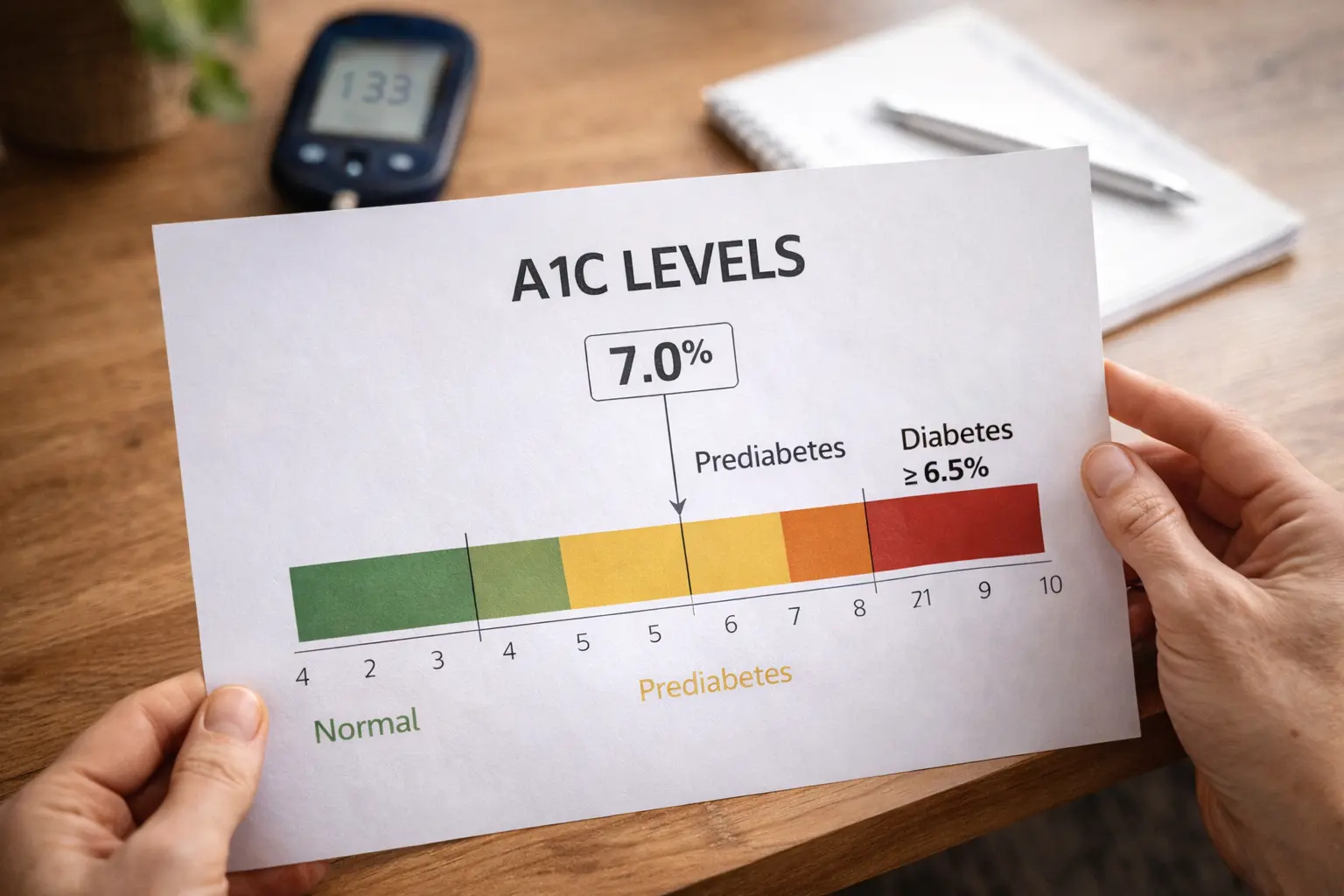
An A1C levels chart is a visual reference tool that displays the percentage ranges used to measure average blood glucose concentration over a two to three month period. This standardized measurement, also expressed in mmol/mol units, serves as a critical diagnostic and monitoring instrument in diabetes screening, prediabetes assessment, and long-term blood sugar management. Understanding A1C ranges helps individuals and healthcare providers interpret laboratory results and establish appropriate health interventions based on where results fall within normal, prediabetic, or diabetic categories.
The A1C test has become central to modern diabetes care because it reflects sustained glucose levels rather than single-point measurements, providing a more comprehensive picture of metabolic health over time. A1C levels vary across different populations and age groups, and interpretation of results requires context specific to individual demographics, medical history, and health status. Charts that correlate A1C percentages with estimated average glucose values make these numbers actionable and easier to understand in practical terms.
This overview section brings together comprehensive, evidence-based information about A1C testing, interpretation, and application across diverse groups. The linked articles explore how A1C measurement works from a scientific perspective, what actual A1C results mean for different life stages and health situations, and how to effectively use A1C data to support informed health decisions. Whether seeking to understand diagnostic criteria, interpret personal lab results, compare how A1C relates to daily blood sugar patterns, or learn how frequently testing should occur, the collection below addresses these questions through detailed, group-specific, and experience-based perspectives.
Each article within this resource cluster examines A1C from multiple angles—scientific foundations, demographic considerations, real-world application, and practical interpretation—ensuring that readers gain both theoretical knowledge and practical guidance relevant to their specific circumstances and health goals.
This Mayo Clinic page explains what the A1C test measures, the diagnostic percentage ranges for normal, prediabetes, and diabetes, and how results are used to monitor long-term blood sugar control. → Click here