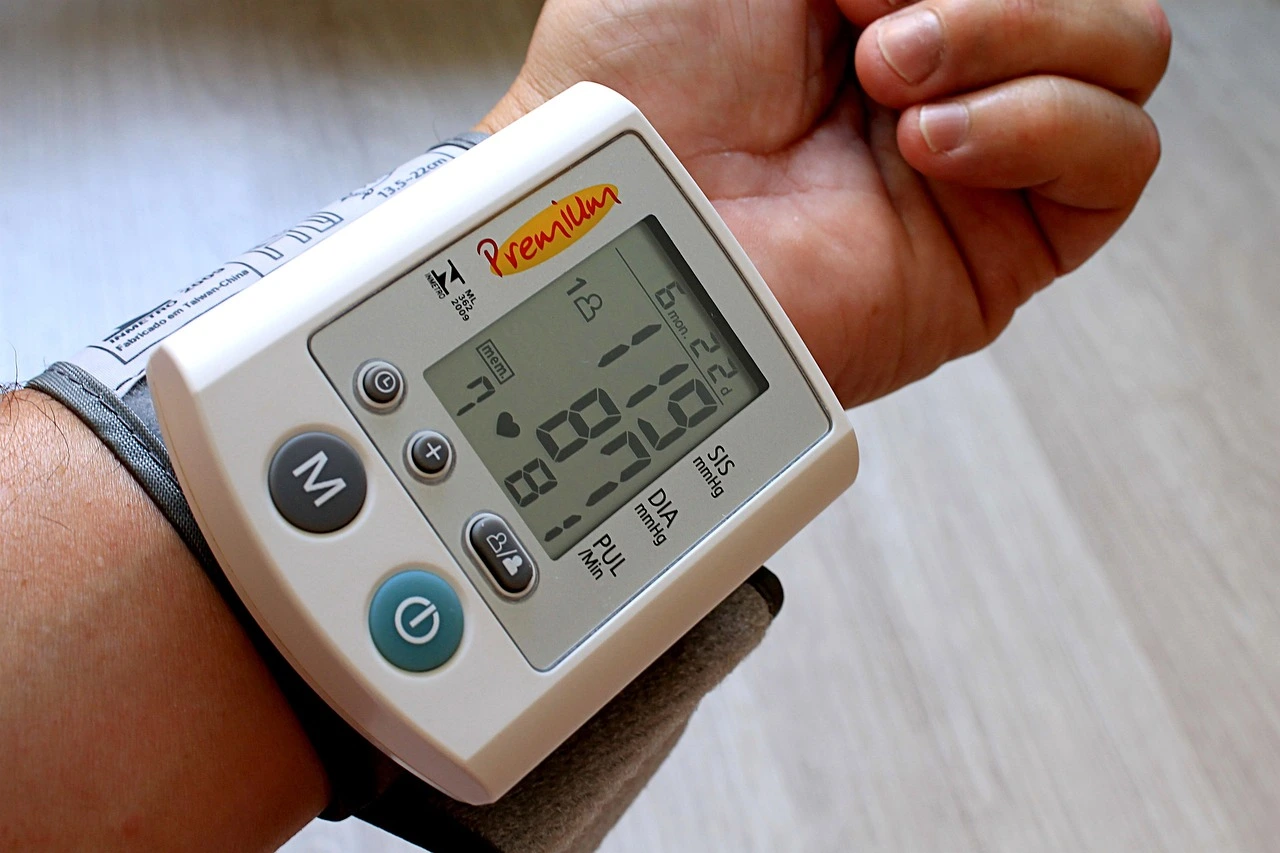
You wake up with that familiar tightness in your chest, wondering if your blood pressure is spiking again, and realize you have no idea what your numbers actually are because you only check them at the doctor’s office once a year, which is why learning to measure blood pressure at home changed everything for women like you.
The importance of regular monitoring
There’s something deeply empowering about taking your health into your own hands. Sarah, a 45-year-old marketing manager, used to feel completely disconnected from her cardiovascular health. She’d only think about her blood pressure during stressful doctor visits, which ironically made her readings spike. Everything shifted when she started checking at home. Within two weeks of daily monitoring, she noticed her pressure spiked every morning after coffee and stayed elevated on deadline days. That pattern became her wake-up call. By tracking changes consistently, you identify what actually triggers your numbers. Maybe it’s certain foods, lack of sleep, or stress from work. Daily checks give you real data to work with. You stop guessing and start knowing. This knowledge transforms anxiety into action. Instead of worrying about the unknown, you’re making informed decisions backed by actual numbers. You see your progress when you adjust your routine. You catch concerning patterns early. That sense of control and peace of mind isn’t just psychological, it’s the foundation of better heart health.
- Regular monitoring helps in early detection of high blood pressure
- Understanding your numbers enables you to make informed decisions about your lifestyle
- Home monitoring provides a sense of control and peace of mind
Choosing the right blood pressure monitor
Walking into a pharmacy to buy a blood pressure monitor can feel overwhelming. Wrist cuffs versus arm cuffs? Digital versus manual? Jennifer, a retired teacher, stood in the aisle for 20 minutes comparing options before asking a pharmacist for help. She learned that arm cuff monitors are generally more accurate, especially for women with larger arm circumferences, but wrist monitors work well if you use them consistently and correctly. The key is finding something you’ll actually use. If a wrist monitor fits your lifestyle better because you travel or prefer the convenience, that’s better than an expensive arm cuff gathering dust. What matters most is accuracy and consistency. Your healthcare provider can recommend specific models based on your needs and medical history. They might suggest brands that have been validated for accuracy in clinical settings. Don’t just buy the cheapest option or the one with the fanciest features. Test it if possible. Make sure the cuff fits your arm properly. Read reviews from other women who have similar health situations. Once you find the right monitor, you’ll actually use it, and that’s what transforms your health.
💬 Ready to feel better in 2 minutes?choose where to begin:
Establishing a routine
Habit formation is everything. Maria struggled for months trying to remember when to check her blood pressure until she tied it to something she already did daily. She started measuring right after her morning coffee, before checking email. Suddenly it became automatic. Your routine needs to fit your life, not fight against it. Some women check in the morning before getting out of bed when their body is most rested. Others prefer evening checks to see how stress from the day affected their numbers. Pick a consistent time and stick with it for at least two weeks so your body adjusts and your readings stabilize. Set a phone reminder if you need it. Keep your monitor in a visible spot, not tucked away in a drawer. Write your readings in a log or use an app that tracks them over time. This creates accountability and gives you a visual record to share with your doctor. When you see your own data organized chronologically, patterns emerge that you’d never notice from memory alone. Consistency matters more than perfection. Missing one day won’t derail you. What matters is returning to your routine the next day.
Interpreting your readings
Those two numbers on your monitor can feel like a foreign language. The systolic number (top) measures pressure when your heart beats. The diastolic number (bottom) measures pressure when your heart rests. Normal is generally below 120 over 80. Elevated is 120 to 129 over less than 80. High blood pressure stage one is 130 to 139 over 80 to 89. Stage two is 140 or higher over 90 or higher. But here’s the thing: one high reading doesn’t mean you have high blood pressure. Lisa got a scary reading one afternoon and panicked until her doctor explained that stress, caffeine, a full bladder, or even sitting with your legs crossed can temporarily raise numbers. What matters is the pattern over time. That’s why tracking matters so much. Your doctor looks at your average readings, not isolated spikes. Bring your log or app data to appointments. Discuss what your specific numbers mean for your health. Ask what lifestyle changes might help. Some women see improvement from reducing salt, moving more, managing stress, or losing weight. Others need medication. There’s no shame in either path. Your readings are information, not judgment. Understanding them removes the mystery and gives you something concrete to work with.
Monitoring blood pressure at home empowers women to take control of their heart health through regular tracking, choosing the right device, establishing a routine, and interpreting readings with the guidance of healthcare providers.
How often should I monitor my blood pressure at home?
For most women, checking your blood pressure at least once a day is recommended. However, consult your healthcare provider for personalized guidance based on your health status.
Can stress affect my blood pressure readings at home?
Yes, stress can temporarily elevate blood pressure. It’s important to relax for a few minutes before taking readings to ensure accuracy.
Others also read:
Disclaimer: This article is for informational purposes only and is not a substitute for professional medical advice. Always consult a healthcare professional for personal guidance.
This article presents an experience-based perspective and has been reviewed by the GlobalHealthBeacon editorial team in 2026. It provides structured, evidence-based information to support informed health decisions.
