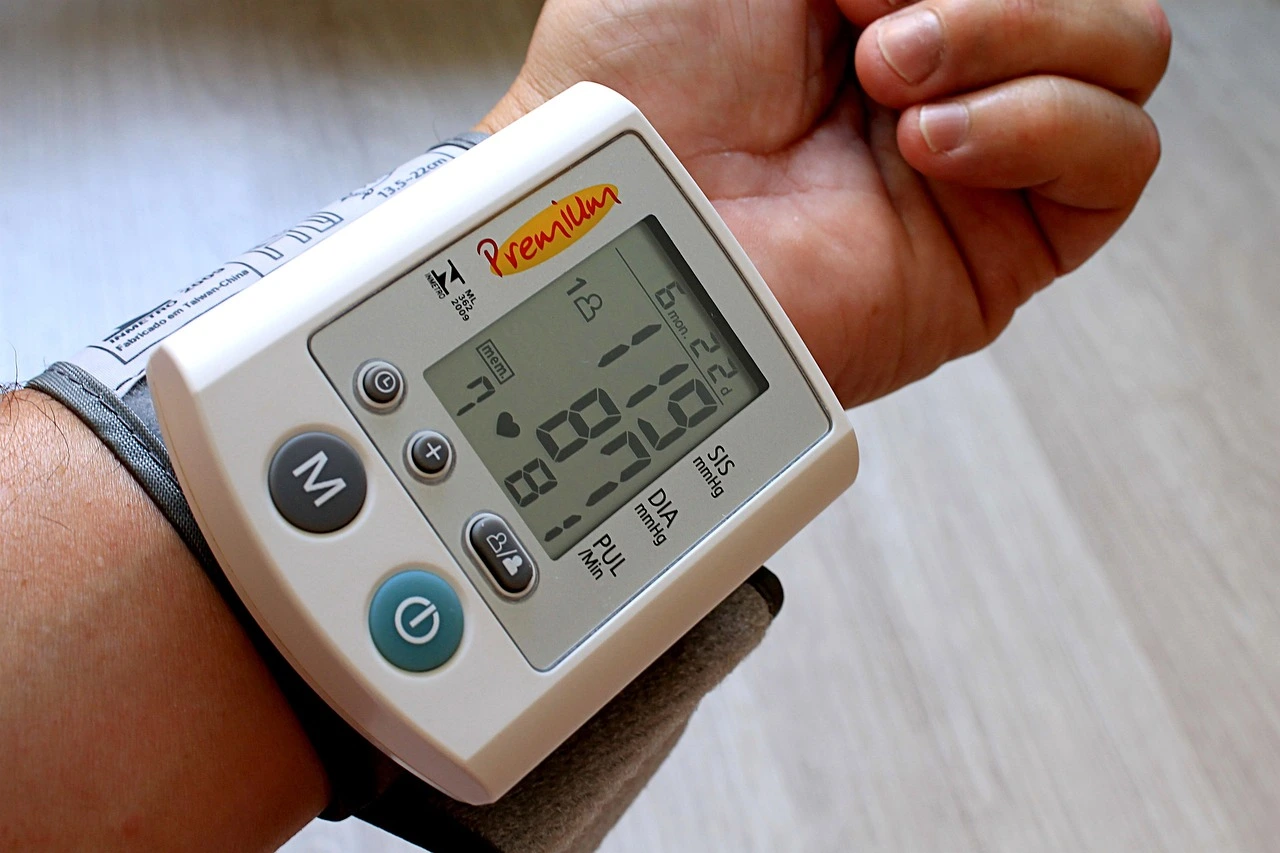
Your doctor mentions high blood pressure at your last checkup, and suddenly you’re staring at pharmacy shelves wondering which device actually works or if you even need one, but the truth is learning to measure blood pressure at home could be the single most important health decision you make this year.
Understanding blood pressure and its importance
Blood pressure monitoring isn’t just a number on a screen. It’s your body’s way of telling you whether your heart is working too hard. High blood pressure often develops silently, without symptoms, which is why many women discover it only during routine checkups. Imagine Sarah, a 45-year-old marketing manager who felt perfectly fine until her annual physical revealed elevated readings. She started measuring at home and discovered her BP spiked during stressful work deadlines. This insight changed everything. By tracking patterns over weeks and months, you’ll notice what triggers your pressure to rise: stress, caffeine, lack of sleep, or dietary choices. Home monitoring gives you this power of observation. You’ll see real trends instead of relying on isolated clinic visits. Your healthcare provider can then make better decisions about your treatment plan based on actual data from your daily life, not just one moment in time.
- Knowledge of your blood pressure levels empowers you to make informed lifestyle choices.
- Regular monitoring can help detect any fluctuations in your BP, allowing for timely intervention.
- Tracking your BP trends over time provides valuable insights for your healthcare provider.
Omron Gold blood pressure monitor
The Omron Gold stands out because it’s built specifically with accuracy in mind. This device uses oscillometric technology, which measures the vibrations in your artery as blood flows through it, translating that into a precise reading. The dual-user mode means you and a partner can each store your own readings without confusion. One common mistake women make is taking readings right after waking up or immediately after coffee. The Omron Gold’s irregular heartbeat detection feature alerts you if something seems off, which is particularly valuable if you have concerns about arrhythmias. The cuff fits most arm sizes comfortably, and the large digital display is easy to read without glasses. Many women appreciate that it stores up to 60 readings per user, so you can track patterns without manually writing everything down. The device also includes a guide that helps you position your arm correctly, eliminating one of the biggest sources of inaccurate readings.
📘 Fix your day in under 2 minuteschoose where to begin:
Withings BPM Connect
If you live with your smartphone in hand, the Withings BPM Connect bridges the gap between traditional health monitoring and modern digital life. This device syncs automatically to your phone, creating a visual dashboard of your readings over time. Imagine being able to see your BP trends displayed as a graph that clearly shows whether you’re improving or if adjustments are needed. The accompanying app sends gentle reminders to take readings at consistent times, which is crucial for accurate tracking. Women often appreciate the sharing feature that lets you send reports directly to your doctor before appointments, saving time and ensuring nothing gets forgotten. The device itself is sleek and compact, fitting easily into a purse or travel bag. One thing to note: the app requires a smartphone connection, so if you prefer keeping health data offline, this might not be your choice. However, for women who want seamless integration with their digital health ecosystem, this device excels.
iHealth Feel wireless blood pressure monitor
The iHealth Feel is designed for women constantly on the move. Its compact wrist-based design means you can measure your BP anywhere: at the office, during travel, or at a friend’s house. The Bluetooth connectivity automatically logs readings to your phone, eliminating manual entry entirely. Here’s a practical scenario: Jennifer, a traveling consultant, used to skip BP checks because she was rarely home. With the iHealth Feel, she measures in hotel rooms and airports, ensuring she never misses her monitoring schedule. The app breaks down your readings into easy-to-understand categories: normal, elevated, or high, so you immediately know if you need to take action. One consideration is that wrist monitors can be less accurate than arm cuff monitors if your wrist position isn’t perfect, so the device includes detailed positioning guides. The battery lasts weeks between charges, and the data syncs across multiple devices, so your readings are always accessible.
QardioArm wireless blood pressure monitor
The QardioArm combines aesthetics with medical-grade accuracy in a way that makes health monitoring feel less clinical. This device comes in multiple colors, so it can match your personal style rather than looking like medical equipment. The irregular heartbeat detection feature flags potential arrhythmias, which is especially important for women over 50 who may be at higher risk. Integration with Apple Health means your BP readings sit alongside your other health metrics, creating a complete picture of your wellness. The app provides personalized insights based on your readings, offering gentle suggestions about lifestyle adjustments. For example, if your readings consistently spike on certain days, the app might suggest stress management techniques or remind you about medication timing. The device is lightweight and portable, making it ideal for women who travel frequently or prefer monitoring on their own schedule. The learning curve is minimal because the interface is intuitive, and the app walks you through setup step by step.
Choosing the right home blood pressure monitor empowers you to take charge of your health with confidence. Each device offers distinct advantages, whether you prioritize accuracy, portability, digital integration, or style. The best choice depends on your lifestyle, comfort level with technology, and specific health needs. Start by identifying which features matter most to you, then use this guide to select a device that fits seamlessly into your daily routine.
Are home BP devices accurate compared to traditional BP cuffs?
Yes, modern home BP devices are designed to provide accurate readings when used correctly. Following the manufacturer’s instructions and regular calibration ensure reliable results. The key is consistency: measure at the same time daily, sit with your back supported, and keep your arm at heart level. Many women find home devices more accurate than clinic readings because they eliminate white coat syndrome, the temporary BP spike some people experience in medical offices.
How often should I measure my blood pressure at home?
It’s recommended to check your BP at least twice daily, in the morning and evening, for consistent readings. Consult your healthcare provider for personalized monitoring frequency. If you’re managing hypertension or starting new medication, your doctor might suggest more frequent checks initially. Once your readings stabilize, you may reduce frequency. The key is establishing a routine so you don’t forget and can spot patterns over time.
Others also read:
Disclaimer: This article is for informational purposes only and is not a substitute for professional medical advice. Always consult a healthcare professional for personal guidance.
This guide has been prepared and reviewed by the GlobalHealthBeacon editorial team and reflects current medical research as of 2026. It provides structured, evidence-based information to support informed health decisions.
