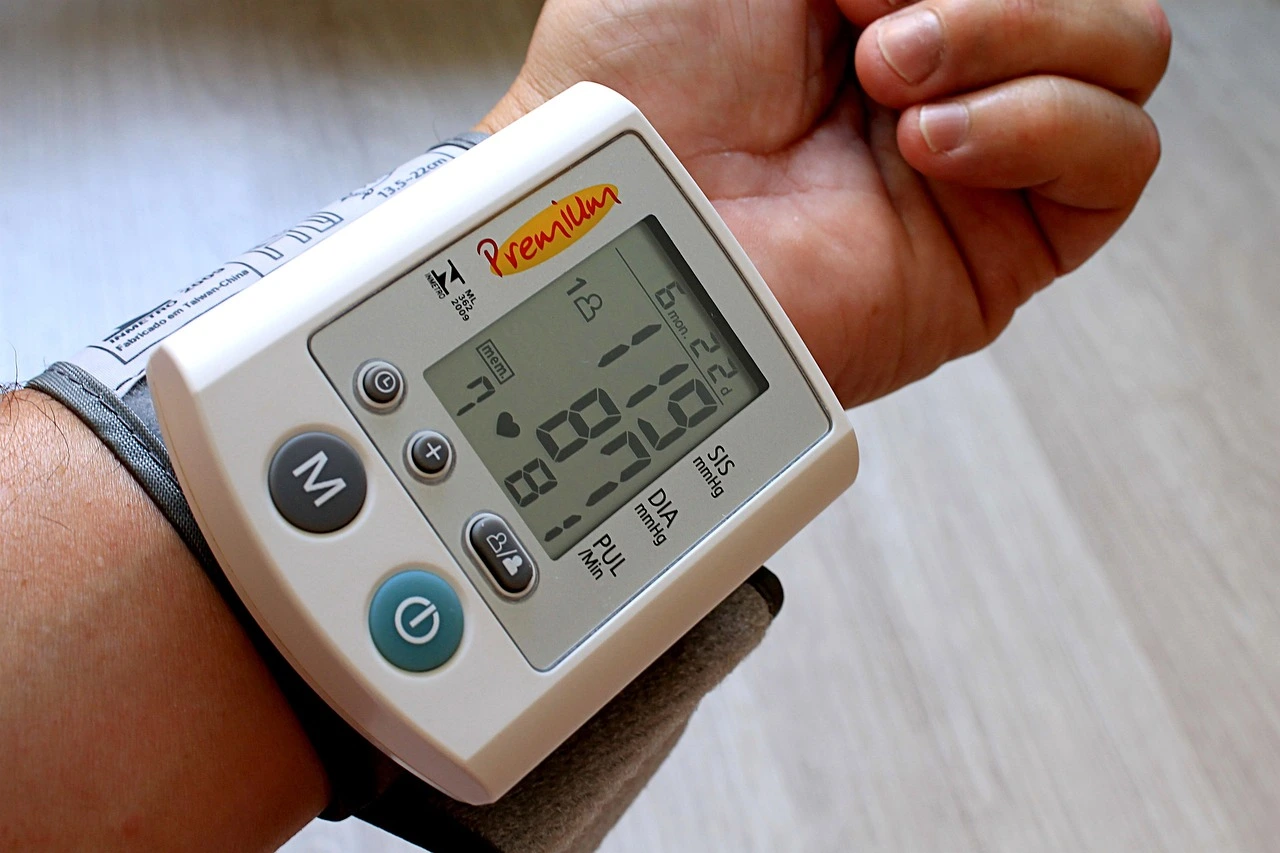
You wake up feeling that familiar tightness in your chest, wondering if your numbers are actually normal or if something’s seriously off, and you realize you need to measure blood pressure at home but have no idea which monitor won’t give you wildly different readings every single time.
Accuracy of home blood pressure monitors
I remember standing in the pharmacy aisle, staring at a wall of blood pressure monitors, completely overwhelmed. Which one would actually work? My neighbor swore by her wrist monitor, but my doctor mentioned it might not be as reliable as an arm cuff. The truth is, accuracy matters deeply when you’re trying to understand what’s really happening with your health. FDA approval is a solid starting point, but it’s not the whole story. I learned that validation through independent testing organizations like the British Hypertension Society gives you extra confidence. Many women find that an upper arm monitor tends to be more consistent than wrist or finger options, though personal comfort with the device matters too. Taking readings at the same time each day, in a calm state, sitting with your feet flat and arm at heart level, makes a real difference. Some women keep a log and notice patterns that their doctors find incredibly helpful during appointments.
- Check for FDA approval to ensure reliability.
- Consult healthcare professionals for guidance on proper usage.
- Regularly calibrating the device is crucial for accurate readings.
Challenges of inconsistent readings
Nothing frustrated me more than getting three completely different readings in a row. One minute it said 118 over 76, the next it was 132 over 88. Was I broken? Was the monitor broken? The answer is usually neither, but understanding why readings bounce around helps calm that anxiety. Inconsistency often comes from not waiting long enough between measurements, or taking readings when you’re still wired from coffee or stress. I started waiting five minutes between attempts and suddenly my numbers made more sense. Talking to other women, I found they had similar experiences. One friend realized her readings spiked whenever she checked them right after work. Another discovered that her monitor needed new batteries, which was throwing everything off. The device placement matters too, even slightly different positioning on your arm can shift the result. Keeping a detailed log with notes about what you were doing before each reading helps you spot your personal patterns and gives your doctor real, actionable information.
💬 Ready to feel better in 2 minutes?choose where to begin:
Impact of stress on blood pressure readings
My cardiologist called it white coat syndrome, but I experienced it as pure panic. Knowing I was about to check my blood pressure made it spike, which then made me more anxious about the reading itself. It’s a frustrating cycle that many women face. Stress genuinely tightens blood vessels and increases heart rate, so your monitor isn’t lying, it’s just capturing a stressed moment. I started taking readings at different times of day, especially in the morning before my mind started racing with the day’s tasks. Deep breathing before and during the measurement helped tremendously. Some women I spoke with found that a few minutes of quiet time, maybe some gentle stretching or listening to calming music, brought their numbers down significantly. One woman shared that she stopped checking her pressure obsessively and instead picked specific times, which reduced her overall anxiety around the whole process. The key insight is that a single elevated reading during a stressful moment doesn’t define your health, but patterns over time do.
Benefits of regular monitoring
Everything changed when I stopped seeing home monitoring as something stressful and started viewing it as my own personal early warning system. Tracking my blood pressure at home gave me a sense of control I didn’t have before. I could see how my lifestyle choices actually affected my numbers. When I started walking more regularly, I watched my readings gradually improve. When I had a stressful week, I could see the impact and adjust my self-care accordingly. My doctor told me that the data I brought from home monitoring was more valuable than a single office visit because it showed real patterns in my actual life, not just a snapshot in a clinical setting. One woman I know caught a gradual upward trend in her readings and worked with her doctor to make dietary changes before medication became necessary. Another realized that her numbers were perfectly fine, which gave her the reassurance and confidence she desperately needed. Regular monitoring transforms you from someone who feels helpless to someone who’s actively partnering with their healthcare provider in managing their own wellbeing.
Exploring the accuracy of home blood pressure monitors, addressing challenges with inconsistent readings, managing stress impacts, and understanding the benefits of regular monitoring are key takeaways for women testing popular home monitoring methods.
How can stress affect blood pressure readings at home?
Stress can lead to temporary spikes or inaccuracies in blood pressure measurements, affecting the overall monitoring process at home. Managing stress through relaxation techniques can help improve the accuracy of readings.
Why is it important for women to monitor their blood pressure at home?
Regular blood pressure monitoring at home allows women to track changes, detect trends, and take proactive steps to manage their cardiovascular health. It provides insights that can lead to early intervention and improved well-being.
Others also read:
Disclaimer: This article is for informational purposes only and is not a substitute for professional medical advice. Always consult a healthcare professional for personal guidance.
This article presents an experience-based perspective and has been reviewed by the GlobalHealthBeacon editorial team in 2026. It provides structured, evidence-based information to support informed health decisions.
