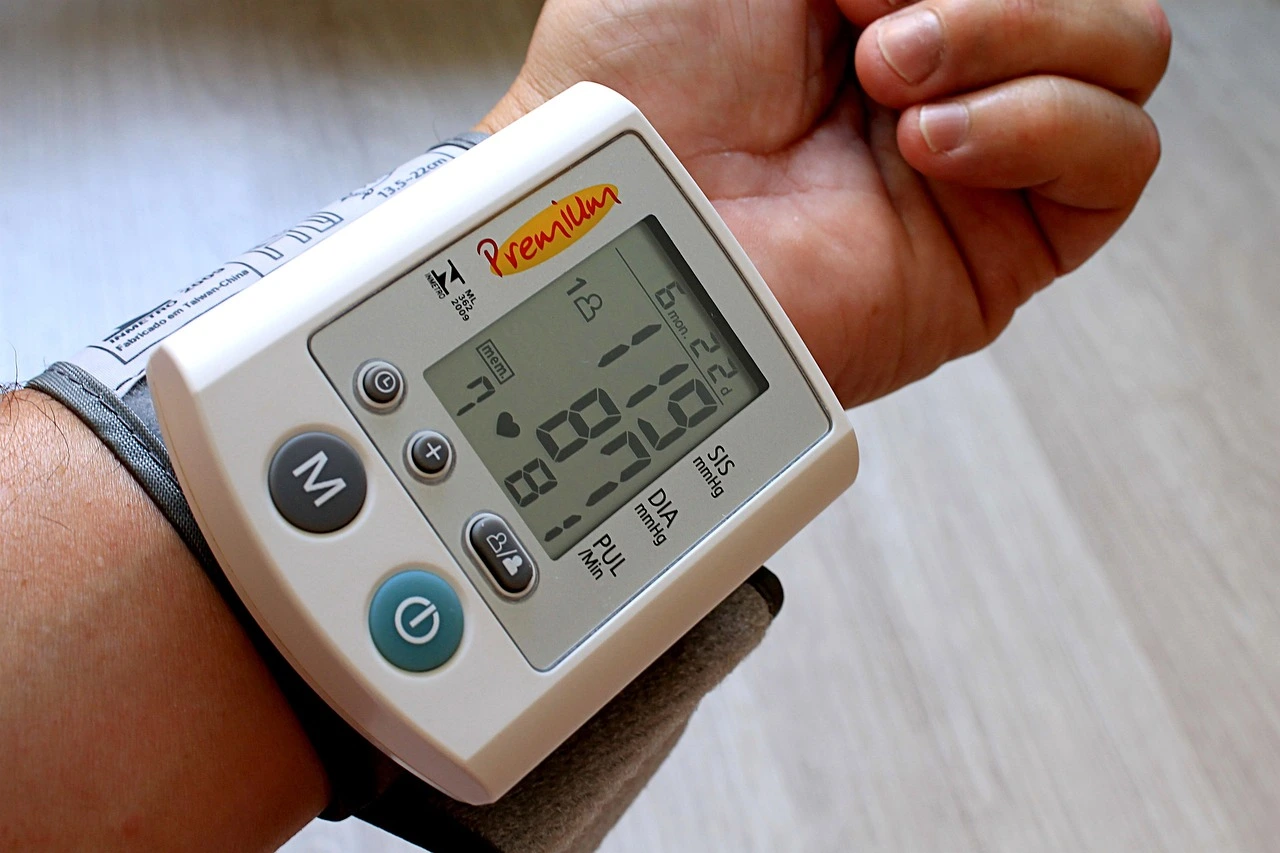
You’re staring at your home blood pressure monitor wondering if those numbers actually mean anything, and honestly, that doubt is eating at you because your doctor keeps asking about your readings and you have no idea if you’re doing it right.
Understanding blood pressure measurements
Blood pressure readings consist of two numbers: systolic pressure (the top number) and diastolic pressure (the bottom number). These values indicate the force exerted by blood against the blood vessel walls during heartbeats and between heartbeats, respectively. Think of it like water pressure in a hose. When your heart contracts and pushes blood out, that’s your systolic reading. When your heart relaxes between beats, that’s your diastolic reading. For a young adult, understanding this distinction matters because your baseline readings now become your reference point for life. A typical healthy reading hovers around 120/80 mmHg, but individual variation is normal. Your systolic number reflects how hard your heart works during contraction, while diastolic reflects the resistance in your arteries when your heart is at rest. Both numbers tell different stories about your cardiovascular system’s health.
The significance of accurate measurements
Accurate blood pressure measurements are crucial for diagnosing hypertension, guiding treatment decisions, and monitoring the effectiveness of interventions. Inaccurate readings can lead to misdiagnosis, inadequate treatment, and poor health outcomes. Consider this: if your monitor consistently reads 10 points higher than your actual pressure, your doctor might prescribe medication you don’t need, or conversely, miss early warning signs. For young adults, this matters because hypertension often develops silently without symptoms. Getting accurate readings now helps establish whether you’re at risk or managing well. Studies show that even small measurement errors compound over time, affecting how healthcare providers assess your cardiovascular trajectory. An inaccurate reading today could influence treatment decisions for years to come. This is why validation matters and why the device you choose directly impacts your health decisions.
Steps to ensure home blood pressure accuracy
Ensuring accurate readings requires attention to technique and consistency. Start by selecting a validated blood pressure monitor that has been clinically tested and approved. Many devices are available, but not all meet quality standards. Once you have the right device, create a measurement routine. Sit quietly for at least five minutes before taking a reading, with your feet flat on the floor and your back supported against a chair. Your arm should be at heart level, resting on a table or armrest. Avoid caffeine, exercise, or stress for 30 minutes before measuring. Take readings at the same time each day, ideally in the morning before eating and in the evening. Keep a detailed log noting the date, time, and readings. This log becomes invaluable when discussing trends with your healthcare provider. Common mistakes include measuring while stressed, using an incorrectly sized cuff, or taking readings immediately after activity. Consistency and proper technique transform your home monitor from a curiosity into a reliable health tracking tool.
- Select a validated home blood pressure monitor approved by clinical standards.
- Ensure a quiet environment and sit calmly for five minutes before measuring.
- Maintain consistent posture with feet flat, back supported, and arm at heart level.
- Measure at the same times daily, ideally morning and evening.
- Keep a detailed log to track patterns and share with your healthcare provider.
🔬 Science-backed benefits in 2 minuteschoose where to begin:
Understanding white-coat hypertension
White-coat hypertension refers to elevated blood pressure readings in a clinical setting due to anxiety or stress, rather than a true underlying medical condition. Imagine walking into your doctor’s office, and your blood pressure spikes simply because you’re nervous about the appointment. This happens to many people and can skew clinical assessments. Home monitoring helps differentiate between white-coat hypertension and sustained hypertension by providing readings in your natural environment where you’re relaxed. If your readings are consistently elevated at the doctor’s office but normal at home, you likely have white-coat hypertension. For young adults, this distinction prevents unnecessary medication and unnecessary worry. Research shows that roughly 15 to 30 percent of people experience this phenomenon. By monitoring at home, you create a more complete picture of your actual cardiovascular status. This data becomes powerful evidence when discussing your health with your provider, allowing for more personalized and appropriate treatment decisions.
Benefits of home blood pressure monitoring
Regular monitoring at home allows individuals to take an active role in managing their health, provides a more comprehensive view of blood pressure patterns, and enables early detection of hypertension or other potential cardiovascular issues. Beyond the clinical benefits, home monitoring creates awareness. You start noticing patterns: maybe your pressure rises after stressful work days or drops after exercise. This self-knowledge is empowering for young adults building lifelong health habits. You’re not passively waiting for annual checkups; you’re actively tracking your cardiovascular status. Home monitoring also catches concerning trends early. If your readings gradually climb over weeks, you and your doctor can address it before it becomes a serious issue. The data you collect becomes a conversation starter with your healthcare provider, moving away from single-point measurements toward a comprehensive understanding of your health. This engagement often leads to better health outcomes because you’re invested in the process, not just following orders.
The bottom line on home blood pressure accuracy
Accurate home blood pressure measurements are essential for effective management of hypertension and overall cardiovascular health. By adhering to proper monitoring techniques and regularly tracking readings, individuals can empower themselves to make informed decisions about their well-being. For young adults, this foundation matters enormously. You’re establishing baseline data and habits that will serve you for decades. Accurate monitoring removes guesswork from health decisions. It transforms your home monitor from a gadget into a genuine health partner. The investment in learning proper technique and maintaining consistency pays dividends through better clinical conversations, more personalized treatment plans, and genuine peace of mind. You’re not just collecting numbers; you’re building a detailed map of your cardiovascular health. This map guides your doctor’s decisions and your own lifestyle choices. In a world where health information can feel overwhelming and contradictory, accurate home blood pressure data provides clarity and control.
Accurate home blood pressure measurements are crucial for diagnosing hypertension, guiding treatment decisions, and monitoring health outcomes. Regular monitoring at home enables individuals to take an active role in managing their cardiovascular health and detecting potential issues early.
How often should I measure my blood pressure at home?
It is recommended to monitor your blood pressure at home at least twice a day, in the morning and evening, at consistent times. Be sure to follow your healthcare provider’s advice on monitoring frequency.
Can I use any blood pressure monitor for accurate readings at home?
To ensure accurate measurements, it is essential to use a validated home blood pressure monitor. Consult with your healthcare provider to select a device that meets quality standards and is appropriate for your specific needs.
Others also read:
Disclaimer: This article is for informational purposes only and is not a substitute for professional medical advice. Always consult a healthcare professional for personal guidance.
This article has been prepared and reviewed by the GlobalHealthBeacon editorial team and is based on current medical research and published scientific literature available in 2026. It provides structured, evidence-based information to support informed health decisions.
