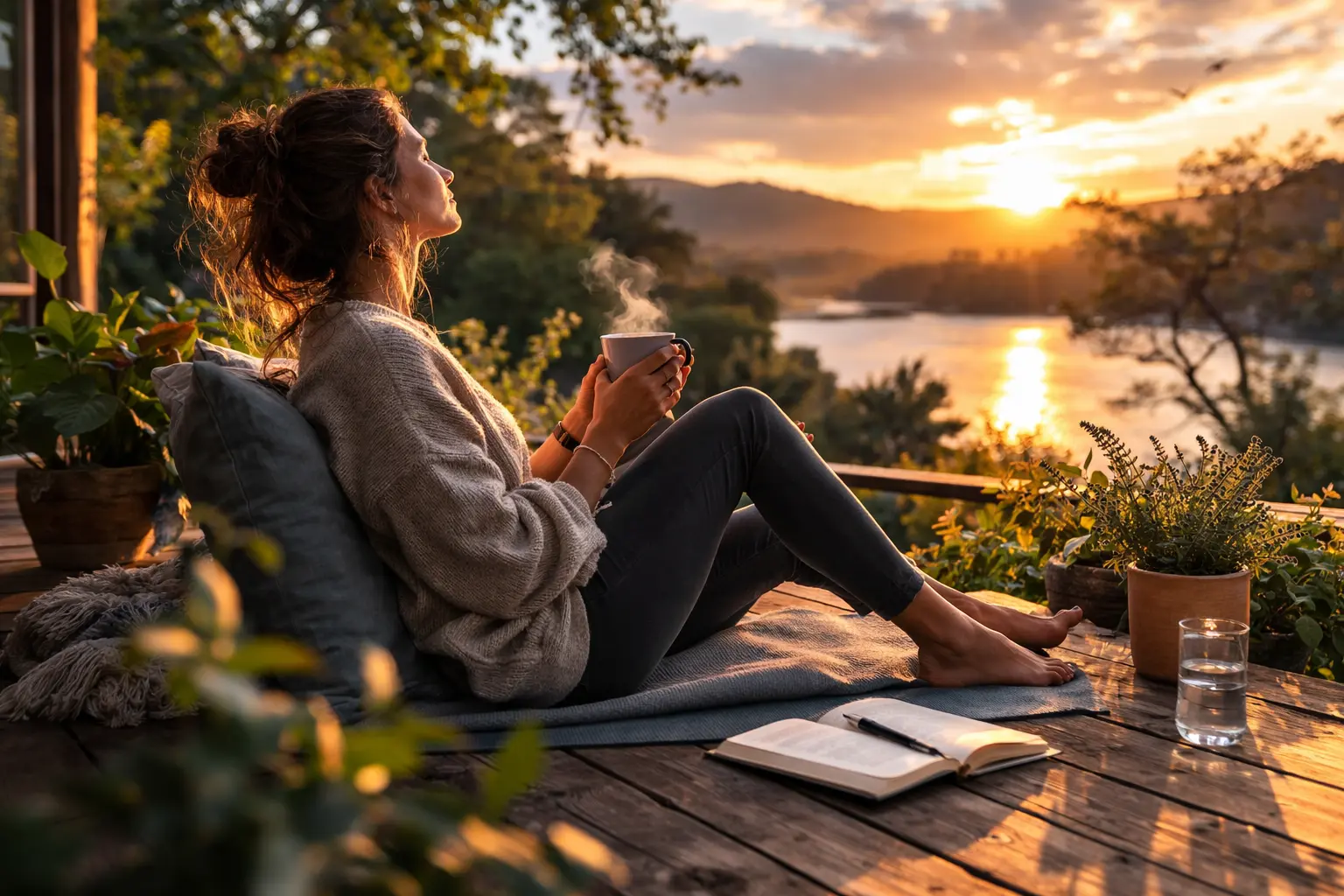
Your chest tightens, your mind won’t shut up, and you can’t remember the last time you actually felt calm, so here’s what young adults are actually doing with relaxation techniques for stress that actually works.
Mindful meditation practices
I used to think meditation meant sitting cross-legged in silence for hours, clearing my mind completely. That’s not realistic, and honestly, it kept me from even trying. What changed everything was understanding that mindfulness isn’t about perfection. It’s about noticing your breath, letting thoughts pass through without judgment, and gently coming back when your mind wanders. One friend told me she practices for just 10 minutes every morning before checking her phone. She focuses on the sensation of breathing in and out, and when anxiety creeps in, she acknowledges it like watching a cloud drift by. Another young adult uses a guided meditation app during his lunch break, which helps him reset before afternoon meetings. The real win isn’t achieving some zen state; it’s building a habit that trains your nervous system to recognize you’re safe, even when life feels chaotic.
- Practice deep breathing exercises daily to promote relaxation.
- Find a quiet space to meditate for at least 10-15 minutes every day.
- Use guided meditation apps or videos to help you stay focused and relaxed.
Stress-relieving exercise routines
Exercise became my escape when I realized sitting with my stress wasn’t making it disappear. A lot of young adults think they need to crush intense workouts to feel better, but that’s not the full picture. Yoga helped one person I know because it forced her to focus on her body instead of her racing thoughts. Another friend found that dancing in his room for 20 minutes released tension he didn’t even know he was holding. The magic isn’t about the type of movement; it’s about consistency and choosing something you actually enjoy. Jogging works for some people because it’s meditative and rhythmic. For others, it’s rock climbing, swimming, or even walking while listening to a podcast. The endorphins your body releases during physical activity are real, and they genuinely shift your mood. The key is finding what feels good to you, not what you think you should be doing, and showing up regularly even when motivation is low.
💬 Ready to feel better in 2 minutes?choose where to begin:
Embracing creative outlets
When words failed me, I picked up a paintbrush. Creative outlets became my therapy before I could afford actual therapy. A young adult I know writes journal entries at night, pouring everything onto the page without editing or judging herself. Another channels emotions into music production, finding that the act of creating something gives her a sense of control when everything else feels overwhelming. Painting, sketching, writing, playing instruments, or even cooking can become a form of emotional release that talking about your problems sometimes can’t provide. The beauty of creative expression is that it doesn’t require talent or an audience. You’re not creating for anyone else; you’re creating to process what’s happening inside you. One person told me that after 30 minutes of painting, her anxiety didn’t disappear, but it felt smaller and more manageable. The act of channeling frustration, sadness, or overwhelm into something tangible shifts your nervous system out of panic mode.
Connecting with nature
I used to scroll through nature photos on my phone while sitting indoors, thinking that counted as nature time. It doesn’t. The difference between watching a video of a forest and actually standing in one is profound. Young adults are discovering that stepping outside, even for 15 minutes, genuinely resets their stress levels. One friend takes her lunch to a nearby park and sits under a tree instead of eating at her desk. Another goes for weekend hikes, not to exercise intensely, but to be surrounded by something bigger than his worries. The sounds, the air, the visual space of nature all activate your parasympathetic nervous system, which is the opposite of fight-or-flight mode. You don’t need mountains or beaches; a local park, a quiet street with trees, or even a garden works. The key is getting away from screens and artificial environments long enough for your body to remember what calm actually feels like. Even 10 minutes of genuine nature time can shift your entire energy for hours afterward.
Discover how young adults find peace amidst the chaos of daily stress through mindful meditation, stress-relieving exercises, creative outlets, and connecting with nature. These relaxation techniques offer tangible ways to combat stress and improve overall well-being.
How often should I practice these relaxation techniques?
Consistency is key when it comes to relaxation techniques. Aim to practice them daily or several times a week to maximize their benefits and effectively manage stress.
Can relaxation techniques help with long-term stress management?
Yes, incorporating relaxation techniques into your daily routine can help build resilience against stress over time. Consistent practice can lead to improved coping mechanisms and better overall stress management.
Others also read:
Disclaimer: This article is for informational purposes only and is not a substitute for professional medical advice. Always consult a healthcare professional for personal guidance.
This article presents an experience-based perspective and has been reviewed by the GlobalHealthBeacon editorial team in 2026. It provides structured, evidence-based information to support informed health decisions.
