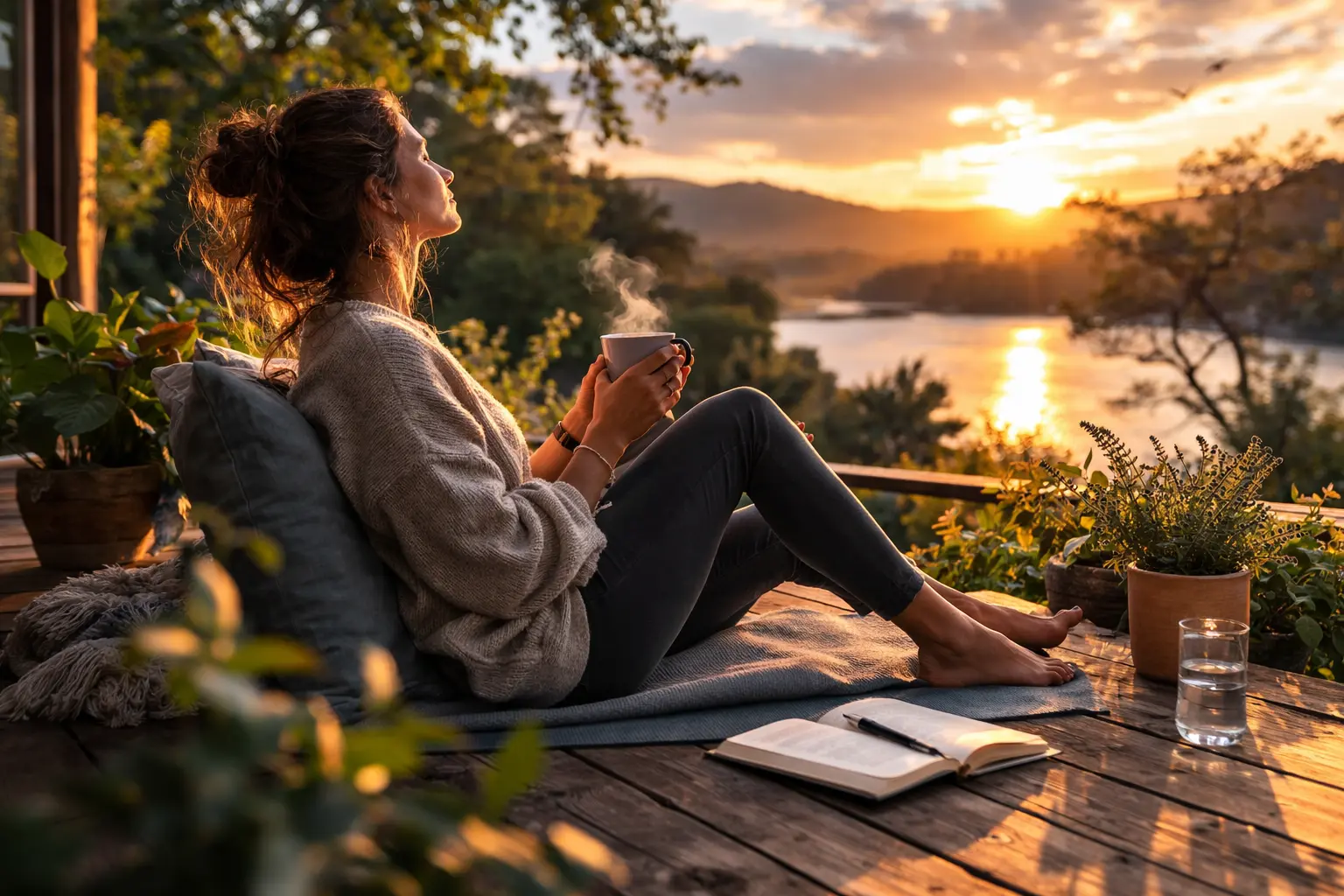
Your chest tightens, your mind won’t stop racing, and you feel like you are drowning in obligations and stress that just won’t quit. Learning relaxation techniques for stress is not a luxury anymore, it is survival, and this guide shows you exactly which methods actually work for women like you.
Deep breathing exercises
Deep breathing is one of the most accessible yet underrated tools for calming your nervous system. When stress hits, your breathing becomes shallow and rapid, which signals your body to stay in fight-or-flight mode. By intentionally slowing your breath, you reverse this cycle. Start by finding a quiet space where you won’t be interrupted. Sit comfortably or lie down, then inhale slowly through your nose for a count of four, allowing your abdomen to expand fully rather than just your chest. Hold that breath for four counts, then exhale through your mouth for a count of six. The longer exhale is key because it activates your parasympathetic nervous system, the part that tells your body to relax. Many women find that practicing this for just five minutes in the morning or before bed makes a noticeable difference in their overall anxiety levels. A common mistake is breathing too quickly or not fully engaging your diaphragm. If you feel lightheaded, slow down further. Consistency matters more than duration, so even two minutes daily beats sporadic longer sessions.
- Find a quiet place to sit or lie down
- Focus on your breath and ignore distractions
- Inhale deeply from your abdomen to expand your lungs fully
Progressive muscle relaxation
Progressive muscle relaxation works by deliberately tensing and then releasing muscle groups throughout your body, creating a direct pathway to physical relaxation. This technique is especially helpful for women who carry stress in their shoulders, neck, and jaw without realizing it. Begin by lying down in a comfortable position. Start with your toes, tense them tightly for five seconds, then release and notice the sensation of relaxation. Move systematically upward through your calves, thighs, glutes, abdomen, chest, hands, arms, shoulders, neck, and face. The key is to really feel the difference between tension and release. Many women report that this practice helps them recognize where they hold stress during the day, making it easier to catch and release tension before it builds up. A typical session takes 15 to 20 minutes. Some women prefer to do this at night before bed, while others find it helpful during a lunch break. The mistake most people make is rushing through the exercise or not tensing muscles enough to feel the contrast. When done correctly, progressive muscle relaxation often leaves you feeling noticeably calmer and more grounded.
📘 Fix your day in under 2 minuteschoose where to begin:
Guided imagery
Guided imagery harnesses the power of your imagination to transport your mind to a peaceful place, effectively interrupting the stress cycle. Your brain responds to vivid mental images almost as strongly as it responds to real experiences. To practice, find a comfortable position and close your eyes. Choose a location that feels safe and calming to you, whether it is a beach, forest, mountain cabin, or even a childhood memory of a peaceful place. Now engage all your senses. What do you see? Notice colors, light, and textures. What do you hear? Perhaps waves, birds, or wind. What do you feel on your skin? Is there a breeze, warmth from the sun, or cool shade? What do you smell? Salt air, pine trees, or flowers? Spend five to ten minutes fully immersed in this sensory experience. Many women find that listening to a guided imagery recording helps them stay focused, especially when their minds tend to wander. The beauty of this technique is that it works anywhere, anytime. You can use it before a stressful meeting, during a difficult moment, or as part of your evening wind-down routine. A common pitfall is feeling frustrated if your mind wanders, which is completely normal. Simply gently redirect your attention back to your imagined scene without judgment.
Mindfulness meditation
Mindfulness meditation trains your mind to observe thoughts and sensations without getting caught up in them, which is transformative for women dealing with racing thoughts and worry cycles. Unlike some meditation styles, mindfulness does not ask you to empty your mind or achieve a blank state. Instead, you sit quietly and notice whatever arises: your breath, sounds around you, physical sensations, emotions, or thoughts. When you notice your mind has wandered, you simply acknowledge it and return your attention to the present moment without criticism. Start with just five minutes daily. Sit in a comfortable position, close your eyes or soften your gaze, and focus on your natural breath. You might count each exhale from one to ten, then start over. When your mind wanders, which it will, that is not failure, that is the practice. Over time, this skill of noticing and redirecting your attention spills into your daily life, helping you respond to stress more calmly rather than react automatically. Many women report that regular mindfulness practice reduces anxiety, improves sleep, and increases emotional resilience. The mistake people make is expecting immediate results or judging themselves for having a busy mind. Mindfulness is a skill that deepens with consistent practice, not a state you achieve and maintain.
Yoga and Tai Chi
Yoga and Tai Chi blend gentle movement, breath work, and meditation into practices that address stress on physical, mental, and emotional levels simultaneously. Yoga offers many styles, from slower, restorative practices like Yin Yoga to more dynamic styles like Vinyasa. For stress relief, slower styles are often more beneficial because they allow you to focus on breath and sensation rather than pushing yourself physically. Tai Chi, an ancient Chinese practice, involves slow, flowing movements performed in sequence, creating a moving meditation that improves balance, flexibility, and mental clarity. Both practices are accessible to women of all ages and fitness levels. A beginner might start with a 20-minute yoga class focused on relaxation or a basic Tai Chi video online. Many women find that the combination of movement and breath work helps them release tension held in their bodies while calming their minds. The social aspect also matters. Joining a class provides community and accountability, which many women find motivating. A common mistake is pushing too hard or comparing yourself to others in the class. These practices are about your experience, not performance. Even 15 minutes of gentle yoga or Tai Chi several times per week can significantly reduce stress and improve overall well-being.
Explore deep breathing, progressive muscle relaxation, guided imagery, mindfulness meditation, and mind-body practices like yoga and Tai Chi as effective relaxation techniques for stress. Incorporate these methods into your daily routine to promote a sense of calm and well-being.
How often should I practice relaxation techniques for stress?
It’s recommended to practice relaxation techniques for stress daily, even if just for a few minutes. Consistency is key to experiencing the long-term benefits of these practices.
Can relaxation techniques help with anxiety?
Yes, relaxation techniques can be beneficial in managing anxiety. By reducing stress and promoting relaxation, these techniques help calm the mind and body, thereby alleviating symptoms of anxiety.
Others also read:
Disclaimer: This article is for informational purposes only and is not a substitute for professional medical advice. Always consult a healthcare professional for personal guidance.
This guide has been prepared and reviewed by the GlobalHealthBeacon editorial team and reflects current medical research as of 2026. It provides structured, evidence-based information to support informed health decisions.
