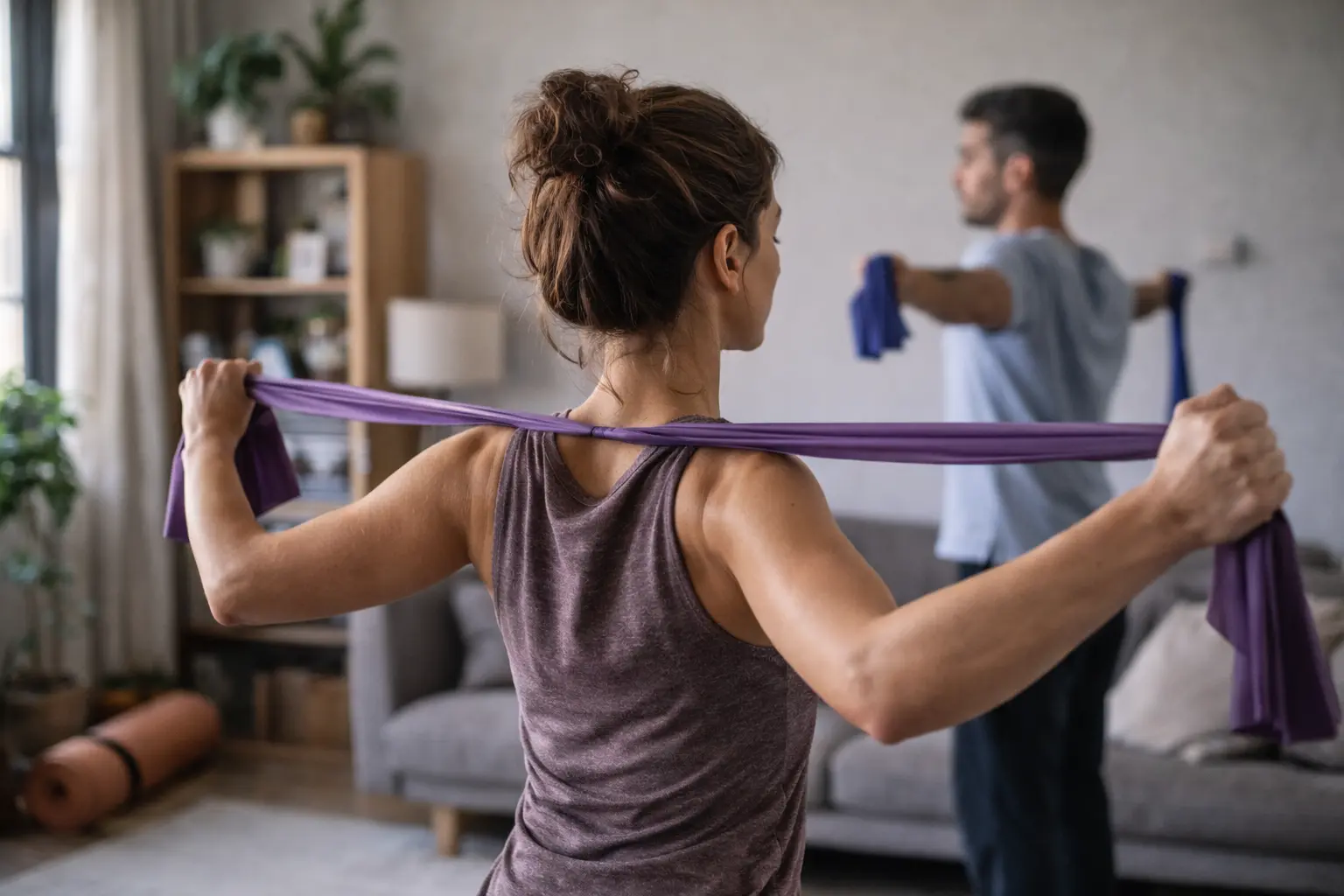
Your shoulders are creeping toward your ears, your neck juts forward when you check your phone, and by 3pm your upper back feels like concrete – posture correction exercises are the direct fix your body has been asking for.
Introduction to posture correction exercises
In today’s modern world, many of us spend hours hunched over desks or looking down at screens, leading to poor posture that compounds over time. Think about your typical day: you wake up, scroll through your phone in bed, sit at a desk for work, drive home, and collapse on the couch. Your body adapts to these positions, and soon slouching becomes your default. The first step to correcting this is awareness. By incorporating specific exercises into your daily routine, you can strengthen key muscles and improve your posture effortlessly. Start by standing with your feet hip-width apart and shoulders relaxed. Engage your core muscles and gently pull your shoulder blades back and down. Remember to breathe deeply and maintain proper alignment throughout each exercise. These foundational cues matter because they train your nervous system to recognize good posture, making it feel natural rather than forced over time.
- Start by standing with your feet hip-width apart and shoulders relaxed.
- Engage your core muscles and gently pull your shoulder blades back and down.
- Remember to breathe deeply and maintain proper alignment throughout each exercise.
Cat-cow stretch
The Cat-Cow stretch is a gentle exercise that helps improve spinal flexibility and posture by mobilizing your entire spine. Begin on your hands and knees in a tabletop position, ensuring your wrists align under your shoulders and knees under your hips. For the cow phase, drop your belly toward the floor, lift your gaze slightly, and let your chest open. Hold for a breath, then transition into the cat phase by rounding your spine, tucking your chin, and drawing your belly in. This flow releases tension in your spine and shoulders, areas where many women hold stress. Repeat this movement for one to two minutes, moving slowly and mindfully. You’ll notice your breathing becomes deeper and your back feels less rigid. This exercise is particularly helpful if you spend your day hunched over, as it reverses that forward curve and reminds your spine what neutral alignment feels like.
📘 Fix your day in under 2 minuteschoose where to begin:
Shoulder blade squeeze
The Shoulder Blade Squeeze exercise targets the muscles between your shoulder blades, promoting better posture and reducing that forward shoulder roll many women experience. Sit or stand up straight with your arms relaxed at your sides. Imagine you’re trying to hold a pencil between your shoulder blades as you squeeze them together and hold for three to five seconds. Release slowly and repeat for ten to fifteen repetitions. This movement strengthens your rhomboids and middle trapezius, the muscles responsible for pulling your shoulders back. A common mistake is shrugging your shoulders up toward your ears instead of squeezing them back and down. Keep your shoulders relaxed away from your neck throughout. You can do this exercise anywhere: at your desk, in the car, or while watching TV. Over time, you’ll notice your shoulders naturally sit lower and further back, and that constant tension in your upper back begins to ease.
Plank
The Plank is a fantastic core-strengthening exercise that also helps align your spine and build the endurance needed to maintain good posture throughout your day. Begin in a forearm plank position with your elbows directly under your shoulders and your body forming a straight line from head to heels. Engage your abdominal muscles by drawing your belly button toward your spine, and breathe steadily rather than holding your breath. Start with holding for twenty to thirty seconds and gradually build up to one minute or longer as you grow stronger. Many women make the mistake of letting their hips sag or pike their hips too high. Keep your core tight and your body neutral. The plank trains your deep abdominal muscles to support your spine, which is essential for maintaining upright posture when you’re sitting or standing. This exercise creates a foundation of strength that makes good posture feel sustainable rather than exhausting.
Wall angels
Wall Angels are a great exercise to open up your chest and shoulders, counteracting the effects of slouching and the forward shoulder posture that develops from daily activities. Stand with your back flat against a wall, feet about six inches away from the wall and hip-width apart. Raise your arms to shoulder height with elbows bent at ninety degrees, and gently press your forearms and the back of your hands against the wall. Slowly trace your arms upward along the wall as if drawing angel wings, then lower them back down. Move slowly and deliberately, maintaining contact with the wall throughout. If you feel tightness in your chest or shoulders, move only as far as you comfortably can. Repeat this movement for one minute. Wall Angels stretch your pectorals and anterior shoulders while strengthening your postural muscles, creating balance in your upper body. This exercise is especially valuable for women who spend time at desks or driving, as it directly reverses the internal rotation that develops in those positions.
Improve your posture with a simple 5-minute daily routine including exercises like the Cat-Cow stretch, Shoulder Blade Squeeze, Plank, and Wall Angels. By strengthening key muscles and increasing flexibility, you’ll stand taller and feel more confident.
How often should I do these exercises?
For best results, aim to do this 5-minute posture exercise routine daily. Consistency is key to improving your posture over time.
Can these exercises help with back pain?
While these exercises can help strengthen muscles that support your spine, if you have persistent back pain, it’s important to consult a healthcare provider for personalized advice.
Others also read:
Disclaimer: This article is for informational purposes only and is not a substitute for professional medical advice. Always consult a healthcare professional for personal guidance.
This guide has been prepared and reviewed by the GlobalHealthBeacon editorial team and reflects current medical research as of 2026. It provides structured, evidence-based information to support informed health decisions.
