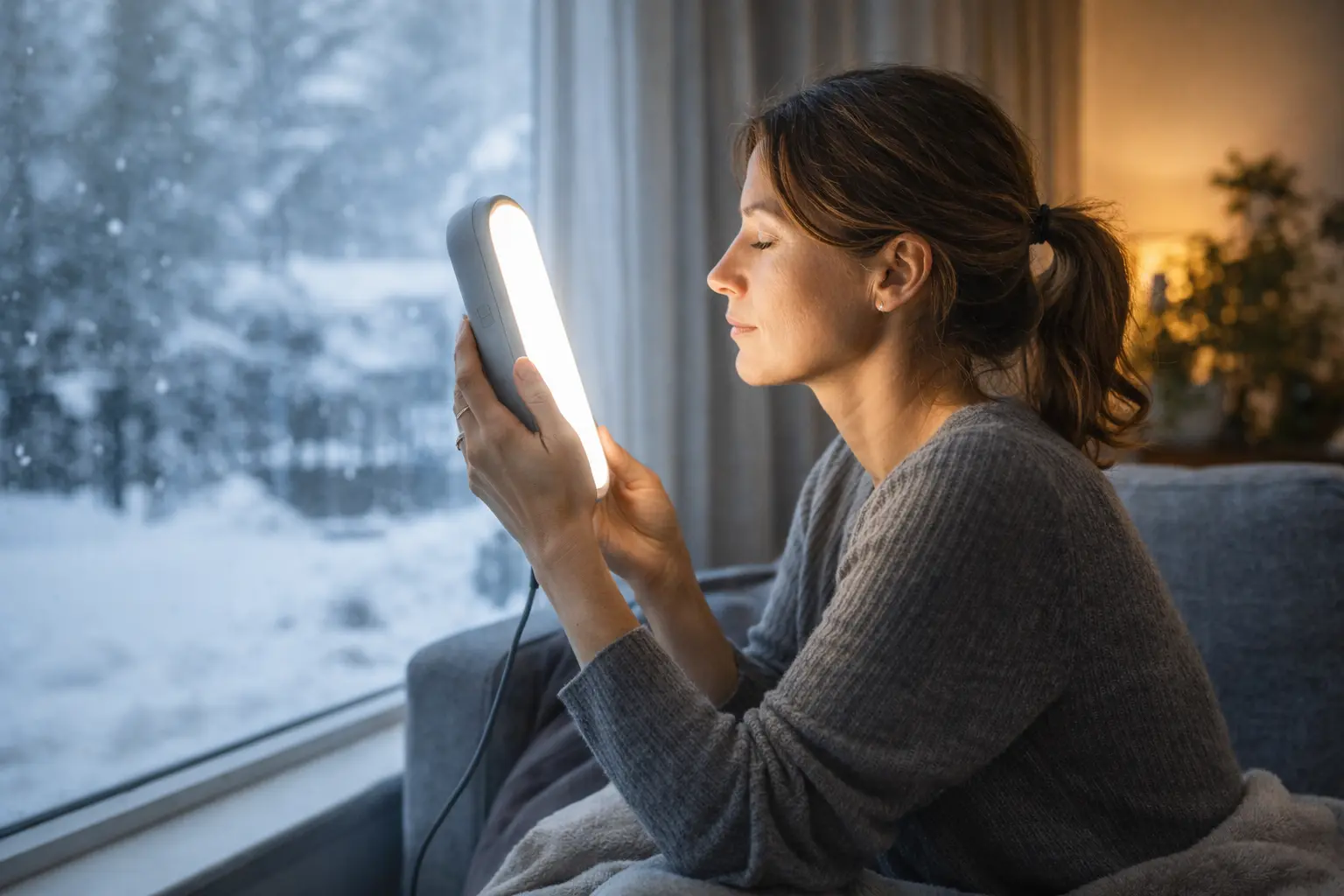
When November rolls around and the days get shorter, you might notice yourself withdrawing, feeling heavier, struggling to get out of bed, or losing interest in things you normally enjoy – and that’s not just you being lazy or getting older, that’s your body responding to seasonal changes, and the good news is you can prevent winter depression symptoms with the right understanding and tools.
The biology of seasonal affective disorder
Seasonal Affective Disorder represents far more than just feeling a bit blue when winter arrives. The condition emerges from a complex interplay of biological mechanisms that shift as daylight hours decrease. When sunlight exposure drops, your body’s circadian rhythm, the internal 24-hour clock that regulates sleep, hormone production, and mood, becomes disrupted. This disruption triggers changes in melatonin production, the hormone responsible for sleep-wake cycles. Simultaneously, serotonin levels, which influence mood and emotional regulation, can decline with reduced light exposure. For seniors, these changes hit differently. Age-related shifts in hormone production, combined with potential changes in eye sensitivity to light and alterations in sleep architecture, make older adults particularly vulnerable to SAD’s effects. Research shows that seniors may experience more pronounced mood changes and fatigue during winter months compared to younger populations. Understanding this biological foundation helps explain why winter depression is not a character flaw but a measurable physiological response to environmental change.
Light therapy for SAD
Light therapy stands as one of the most extensively researched and evidence-supported treatments for Seasonal Affective Disorder, particularly for seniors seeking non-pharmaceutical interventions. The mechanism is straightforward yet powerful: exposure to bright artificial light mimics natural sunlight and helps recalibrate your circadian rhythm, signaling your brain to adjust hormone production and mood regulation. Clinical studies consistently demonstrate that daily light therapy sessions can reduce SAD symptoms significantly within one to two weeks of consistent use. For a senior named Margaret, who spent her winters feeling exhausted and withdrawn, incorporating 30 minutes of morning light therapy transformed her energy levels and emotional outlook. The beauty of light therapy lies in its accessibility and safety profile. Unlike medications, which may interact with other prescriptions seniors commonly take, light therapy works through a natural biological pathway. Users typically report improved alertness, better mood stability, and enhanced motivation. The treatment requires no recovery time and can be integrated seamlessly into morning routines, making it particularly practical for older adults managing multiple health considerations.
Key steps for using light therapy
Implementing light therapy effectively requires attention to specific details that maximize its therapeutic benefit. First, selecting the right equipment matters significantly. A light therapy box should emit 10,000 lux of white light, the intensity proven most effective in research studies. Lower lux ratings require longer exposure times and may be less effective. Second, positioning is crucial. The light box should sit at eye level, positioned at an angle approximately 16 to 24 inches from your face. This distance and angle ensure your eyes receive optimal light exposure without causing glare or discomfort. Many seniors make the mistake of placing the light too far away or at the wrong angle, reducing its effectiveness. Third, timing is essential. Morning use, ideally between 6 and 9 AM, works best because it aligns with your body’s natural light-sensitive period and helps reset your circadian rhythm for the entire day. Afternoon or evening light therapy can sometimes interfere with sleep. Consistency matters more than intensity. Using your light therapy box for 20 to 30 minutes daily throughout the winter months produces better results than sporadic use. Think of it as a daily appointment with your well-being, not an optional activity.
- Select a light therapy box with 10,000 lux output and white light spectrum
- Place the light box at eye level, positioned 16 to 24 inches from your face at a slight angle
- Use light therapy consistently each morning between 6 and 9 AM for 20 to 30 minutes daily
🔬 Science-backed benefits in 2 minuteschoose where to begin:
Nutritional support for SAD
The connection between nutrition and mood regulation offers seniors another avenue for supporting their mental health during winter months. Vitamin D, often called the sunshine vitamin, plays a critical role in serotonin production and mood stability. When sunlight exposure decreases, vitamin D synthesis in the skin drops significantly, creating a potential deficiency that can worsen SAD symptoms. Seniors, who may have reduced skin capacity to produce vitamin D and often spend more time indoors, face particular risk. Omega-3 fatty acids, found in fatty fish like salmon and sardines, support brain health and have demonstrated mood-stabilizing properties in research. A senior named Robert noticed that adding omega-3 supplements alongside light therapy accelerated his symptom improvement. Beyond these two nutrients, B vitamins, particularly B6 and B12, support neurotransmitter synthesis and energy production. Magnesium helps regulate sleep quality and stress response. Rather than viewing supplements as standalone solutions, consider them as complementary tools working alongside light therapy and lifestyle modifications. Consulting with a healthcare provider before starting any supplementation ensures recommendations align with your individual health profile, existing medications, and nutritional status. Food-first approaches, when possible, offer additional benefits through whole food nutrients and fiber.
Mind-body techniques for SAD management
Beyond light and nutrition, the mind-body connection offers powerful tools for managing SAD symptoms. Mindfulness meditation, practiced for just 10 to 15 minutes daily, helps seniors develop awareness of their emotional patterns without judgment and creates space between difficult feelings and reactions. Gentle yoga, adapted for aging bodies with modifications for flexibility and balance, combines movement, breathing, and mental focus to elevate mood and reduce the physical tension that often accompanies depression. Progressive muscle relaxation, where you systematically tense and release muscle groups, activates the parasympathetic nervous system and counteracts the stress response. Walking outdoors, even on cloudy winter days, provides light exposure, physical activity, and the psychological benefit of environmental change. A senior named Patricia found that combining 20 minutes of morning light therapy with an afternoon yoga class and evening meditation created a comprehensive approach that addressed her SAD from multiple angles. These techniques work by influencing neurotransmitter production, reducing cortisol levels, and creating a sense of agency and control. The key is consistency and finding practices that feel sustainable rather than burdensome. Many seniors discover that group classes provide social connection, which independently supports mental health during isolating winter months.
Professional consultation for individualized care
While self-directed approaches offer significant value, consulting a healthcare provider specializing in mental health or geriatric psychiatry ensures your SAD treatment aligns with your complete health picture. Seniors often take multiple medications, have underlying health conditions, or experience comorbid mental health challenges that require professional assessment. A provider can rule out other causes of winter mood changes, such as thyroid dysfunction or vitamin deficiencies, that may mimic or compound SAD symptoms. They can evaluate whether light therapy suits your specific situation, considering factors like eye conditions, bipolar disorder history, or medication interactions. For some seniors, antidepressant medications, particularly SSRIs, may complement behavioral interventions. Others benefit from cognitive-behavioral therapy adapted for seasonal patterns. A comprehensive approach might combine light therapy, nutritional support, mind-body practices, and medication if indicated. Your provider can also monitor treatment effectiveness over time, adjusting strategies based on your response. This personalized approach recognizes that SAD manifests differently across individuals and that effective treatment requires matching interventions to your unique circumstances, preferences, and health status.
Seasonal Affective Disorder affects many seniors through disruptions in circadian rhythm, hormone production, and neurotransmitter balance. Evidence-based treatments including light therapy, nutritional support through vitamin D and omega-3 fatty acids, and mind-body techniques like meditation and yoga offer multiple pathways for managing symptoms. Understanding the biological mechanisms behind SAD empowers seniors to make informed decisions about treatment options. Professional consultation ensures personalized care that considers individual health profiles, medication interactions, and comorbid conditions. By combining these approaches and working with healthcare providers, seniors can effectively navigate winter months and maintain emotional well-being throughout the year.
Is light therapy safe for seniors?
Light therapy is generally safe for seniors, but individual circumstances vary. Consult your healthcare provider before starting, especially if you have eye conditions like macular degeneration, take medications affecting light sensitivity, or have a history of bipolar disorder. Most seniors tolerate light therapy well when used correctly.
Can nutritional supplements alone treat SAD?
Nutritional support through vitamin D and omega-3 fatty acids can help alleviate SAD symptoms, but research shows they work best as part of a comprehensive approach. Light therapy, behavioral interventions, and professional guidance typically produce stronger results than supplements alone. Always discuss supplementation with your healthcare provider.
Others also read:
Disclaimer: This article is for informational purposes only and is not a substitute for professional medical advice. Always consult a healthcare professional for personal guidance.
This article has been prepared and reviewed by the GlobalHealthBeacon editorial team and is based on current medical research and published scientific literature available in 2026. It provides structured, evidence-based information to support informed health decisions.
← Back to the Main page on: prevent winter depression symptoms
