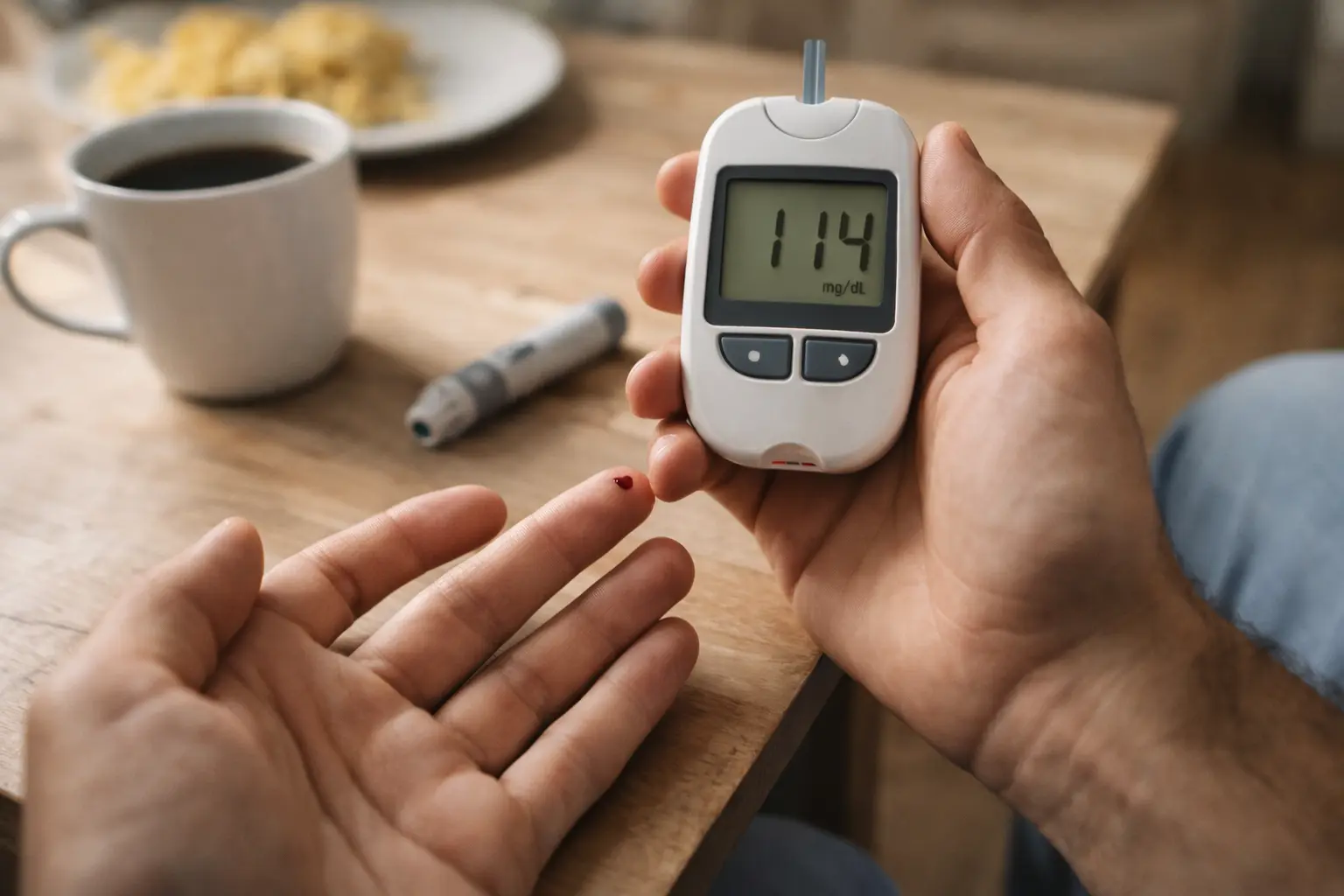
You wake up exhausted, your energy crashes by mid-morning, and you can’t figure out why your body feels off, but understanding your fasting blood sugar levels might be the missing piece that changes everything.
Understanding fasting blood sugar levels
Fasting blood sugar levels refer to the glucose levels in your bloodstream after an overnight fast, typically measured after eight to twelve hours without food. Think of it as your body’s baseline reading, the number that tells you how your metabolism is functioning at rest. These levels provide crucial insights into how your body processes sugar and manages energy. For women specifically, this measurement becomes especially important because hormonal fluctuations throughout your cycle can influence glucose metabolism. A fasting glucose test is simple: you skip breakfast, visit your healthcare provider in the morning, and they draw blood to measure your glucose concentration in milligrams per deciliter. Knowing your fasting glucose levels can help you monitor your overall health trajectory and detect potential metabolic issues early on, before they develop into more serious conditions. Many women discover their glucose patterns only after noticing symptoms like afternoon energy crashes or unusual thirst, making this baseline measurement a valuable preventive tool.
- Fasting blood sugar levels are typically measured in milligrams per deciliter (mg/dL).
- A fasting blood sugar level of 70 to 100 mg/dL is considered normal.
- Levels above 100 mg/dL may indicate prediabetes, while levels over 126 mg/dL can signal diabetes.
Tips for maintaining healthy fasting glucose levels
Maintaining healthy fasting glucose levels requires a multi-faceted approach that addresses diet, movement, stress, and sleep simultaneously. Start with your plate: focus on a balanced diet rich in whole foods like leafy greens, lean proteins, legumes, and complex carbohydrates that digest slowly and prevent blood sugar spikes. Regular physical activity, even thirty minutes of brisk walking five days a week, helps your muscles absorb glucose more efficiently. Stress management matters more than many women realize because cortisol, your stress hormone, directly influences how your body handles glucose overnight. Getting seven to nine hours of quality sleep is non-negotiable, as poor sleep disrupts the hormones that regulate blood sugar. Staying hydrated throughout the day supports kidney function and helps your body maintain stable glucose levels. Consider keeping a food and symptom journal for two weeks to identify which foods and activities affect your energy and glucose stability personally, since individual responses vary significantly.
📘 Fix your day in under 2 minuteschoose where to begin:
Risk factors and warning signs
Several factors can increase your risk of elevated fasting blood sugar levels, and understanding them helps you take preventive action. Family history plays a significant role: if your mother, grandmother, or siblings have diabetes or prediabetes, your risk increases substantially. Excess weight, particularly weight carried around your midsection, is strongly linked to insulin resistance, where your body struggles to use insulin effectively. A sedentary lifestyle compounds this risk, as muscles that don’t move regularly lose their ability to absorb glucose efficiently. Age matters too, with risk increasing after forty-five, though younger women with other risk factors should monitor closely. Watch for warning signs like increased thirst that persists even when you drink water, frequent urination especially at night, unexplained fatigue that sleep doesn’t resolve, blurred vision, or slow-healing cuts and bruises. Some women experience tingling in their feet or hands, mood swings, or difficulty concentrating. These symptoms don’t always mean high glucose, but they warrant a conversation with your healthcare provider.
Consulting a healthcare professional
If you have concerns about your fasting glucose levels, scheduling an appointment with your healthcare provider is the most important step you can take. They can perform a fasting glucose test, and often an A1C test that shows your average glucose over three months, to assess your blood sugar status accurately. Your provider will review your personal and family medical history, discuss your symptoms and lifestyle habits, and may recommend additional testing if needed. They provide tailored advice based on your individual situation rather than generic recommendations, and can identify whether elevated glucose stems from diet, stress, hormonal changes, medication side effects, or other causes. If lifestyle modifications are recommended, your provider can connect you with a registered dietitian or diabetes educator who specializes in helping women manage glucose levels through practical, sustainable changes. Having this professional partnership removes guesswork and gives you a clear roadmap forward.
Tracking your progress
Regularly monitoring your fasting blood sugar levels transforms abstract health goals into concrete data you can see and understand. Most healthcare providers recommend testing at least annually if your levels are normal, or more frequently if you’re in the prediabetes range or managing elevated glucose. You can request home testing supplies to check your fasting glucose yourself, which gives you more frequent data points and helps you see how your lifestyle changes affect your numbers. Consider keeping a detailed journal that includes your fasting glucose reading, what you ate the previous day, your stress level, sleep quality, and exercise, so you can identify patterns unique to your body. Digital apps and spreadsheets make tracking easier than paper journals, and many sync with your healthcare provider’s office. Over time, you’ll notice how specific foods, stress levels, or sleep deprivation affect your morning glucose reading. This personalized feedback is incredibly motivating and helps you understand exactly which changes move your numbers in the right direction.
Understanding fasting blood sugar levels is key to proactive health management. By monitoring your levels, maintaining a healthy lifestyle, and seeking guidance from healthcare professionals, you can take charge of your well-being.
What should I do if my fasting blood sugar levels are consistently high?
If your fasting blood sugar levels are consistently elevated, it’s crucial to consult a healthcare provider for a thorough evaluation. They can determine the underlying causes, recommend appropriate treatment strategies, and guide you on managing your levels effectively.
Can fasting blood sugar levels fluctuate throughout the day?
While fasting blood sugar levels are typically lowest in the morning after an overnight fast, they can fluctuate throughout the day in response to meals, physical activity, and stress. Monitoring your levels at different times can provide valuable insights into your body’s response to various stimuli.
Others also read:
Disclaimer: This article is for informational purposes only and is not a substitute for professional medical advice. Always consult a healthcare professional for personal guidance.
This guide has been prepared and reviewed by the GlobalHealthBeacon editorial team and reflects current medical research as of 2026. It provides structured, evidence-based information to support informed health decisions.
