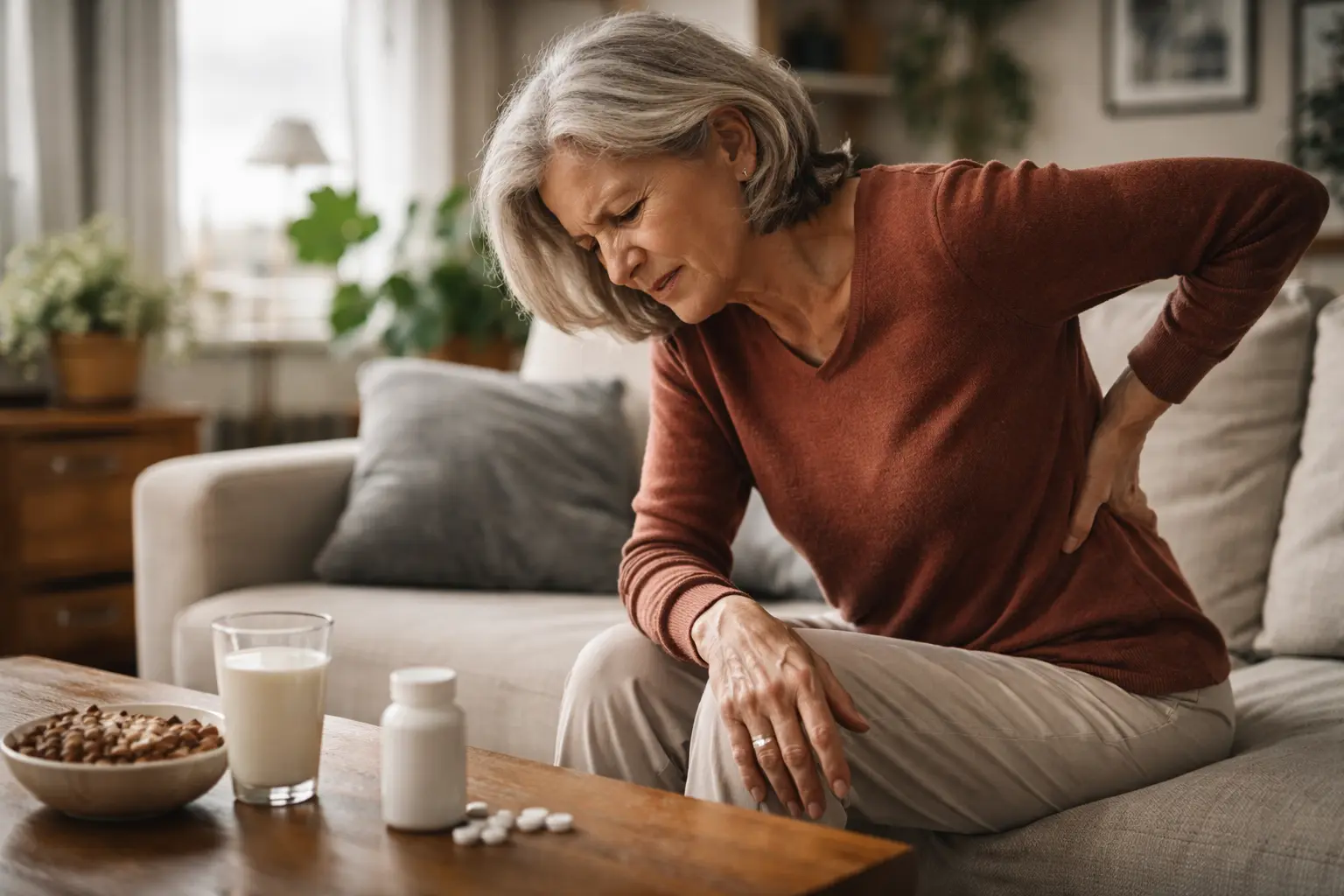
You’re watching your mom struggle with a broken wrist from a simple fall, or maybe you’ve noticed your own bones feeling fragile, and you’re realizing that osteoporosis risk factors are creeping up on you whether you acknowledge them or not – but here’s the thing: you can actually do something about it starting today.
Understanding osteoporosis risk factors
Osteoporosis develops quietly, often without symptoms until a fracture happens. Your bones are living tissue that constantly breaks down and rebuilds, but as you age, especially during and after menopause, this balance shifts. Understanding your personal osteoporosis risk factors is like having a map before you travel. Consider Sarah, 52, who discovered through family history that her mother had osteoporosis at 65. By identifying this risk early, Sarah was able to take preventive steps before any damage occurred. Risk factors include age (your risk increases significantly after 50), family history (if your mother or grandmother had osteoporosis, your risk is higher), hormone changes during menopause (estrogen drop directly impacts bone density), body frame size (smaller-framed women have less bone mass to draw from), and lifestyle choices like smoking and sedentary behavior. Some women also face increased risk from medical conditions like rheumatoid arthritis or medications such as corticosteroids. The key is not to panic but to gather information about your specific situation.
- Evaluate your family history of osteoporosis
- Be aware of the impact of aging on bone density
- Assess your hormone levels, especially during menopause
- Adopt a healthy lifestyle with adequate nutrition and exercise
- Discuss your risks with a healthcare provider for personalized advice
Maintaining bone health through nutrition
Your bones need fuel, and calcium and vitamin D are the primary players. Think of calcium as the building block and vitamin D as the worker that helps your body absorb and use it. Most women need 1,000 to 1,200 milligrams of calcium daily, depending on age. Real-world example: Jennifer, 48, realized she was only getting about 400 milligrams daily from her coffee with milk and occasional cheese. She restructured her meals to include one serving of Greek yogurt at breakfast (300mg), a handful of almonds as a snack (80mg), a leafy green salad at lunch (150mg), and fortified plant-based milk with dinner (300mg), easily hitting her target. Beyond dairy, sources include leafy greens like kale and collards, canned fish with bones, fortified plant milks, tofu, and seeds. Vitamin D is equally critical because without it, your body cannot absorb calcium properly. Aim for 600 to 800 IU daily (higher if you have limited sun exposure). Fatty fish like salmon and mackerel, egg yolks, and fortified cereals provide natural sources, but many women benefit from supplementation, especially in winter months. Magnesium and vitamin K also support bone health, found in nuts, seeds, and cruciferous vegetables.
📘 Fix your day in under 2 minuteschoose where to begin:
The role of exercise in bone strength
Exercise is not optional for bone health; it’s foundational. Weight-bearing activities like walking, jogging, dancing, and hiking force your bones to work against gravity, which stimulates bone-building cells. Resistance training using weights, resistance bands, or bodyweight exercises directly strengthens bones and the muscles that support them. Consider Maria, 55, who started with just 20 minutes of brisk walking three times weekly combined with twice-weekly resistance sessions using light dumbbells. Within a year, her bone density scan showed improvement in her hip and spine. The mechanism is straightforward: when muscles pull on bones during exercise, it triggers your body to reinforce those bones. Aim for at least 150 minutes of moderate aerobic activity weekly plus strength training twice weekly, targeting major muscle groups. Balance exercises like tai chi or yoga are equally important because they reduce fall risk, which is crucial since a fall can cause fractures in weakened bones. Start where you are, progress gradually, and consistency matters more than intensity. Even small amounts of daily movement accumulate into significant bone protection over time.
Lifestyle choices for bone protection
Smoking and excessive alcohol directly weaken bones by interfering with bone remodeling and reducing calcium absorption. If you smoke, quitting is one of the single most impactful changes you can make for your skeletal health. Alcohol in moderation (one drink daily for women) is generally acceptable, but more than that accelerates bone loss. Body weight matters too; being significantly underweight means less bone mass to protect you, while being overweight can strain joints. Maintain a healthy weight through balanced nutrition and exercise rather than crash dieting, which can trigger rapid bone loss. Posture affects your spine’s integrity over time. Standing and sitting upright reduces stress on vertebrae and prevents the gradual compression that leads to height loss and kyphosis (excessive forward curvature). Think about how you carry yourself throughout the day. Fall prevention is critical because even a minor fall can fracture osteoporotic bones. Remove tripping hazards at home, ensure adequate lighting, wear supportive shoes, and consider a vision check if you haven’t had one recently. Some women benefit from hip protectors if they have significant fall risk. These lifestyle adjustments work together to create an environment where your bones can thrive.
Regular bone density testing and monitoring
Bone density testing, typically done through a DEXA scan, measures how much mineral content your bones contain and compares it to healthy young adult bones. This test is painless, takes about 10 to 30 minutes, and uses minimal radiation. The results give you a T-score that indicates whether your bones are normal, show osteopenia (low bone mass), or have osteoporosis. Current guidelines recommend bone density screening for all women 65 and older, and for postmenopausal women under 65 who have risk factors. Consider Elena, 58, who had her first DEXA scan at 55 due to family history. Her results showed early bone loss, but because it was caught early, she implemented nutrition and exercise changes and avoided medication. A follow-up scan three years later showed her density had stabilized. Knowing your baseline allows you to track changes over time and adjust your prevention strategy accordingly. Discuss your results with your healthcare provider to understand what they mean for you specifically. If your results indicate osteoporosis, medications like bisphosphonates can slow bone loss significantly. Regular monitoring transforms abstract risk into concrete information you can act on.
Understanding your osteoporosis risk factors naturally is essential for protecting your bone health. By focusing on nutrition, exercise, lifestyle choices, and regular monitoring, you can effectively reduce the likelihood of developing osteoporosis.
Can osteoporosis be prevented?
While osteoporosis cannot be entirely prevented, understanding your risks and implementing healthy habits can significantly reduce your chances of developing the condition.
How often should I have a bone density test?
The frequency of bone density testing depends on your personal risk factors and health history. Consult your healthcare provider to determine the appropriate schedule for monitoring your bone health.
Others also read:
Disclaimer: This article is for informational purposes only and is not a substitute for professional medical advice. Always consult a healthcare professional for personal guidance.
This guide has been prepared and reviewed by the GlobalHealthBeacon editorial team and reflects current medical research as of 2026. It provides structured, evidence-based information to support informed health decisions.
