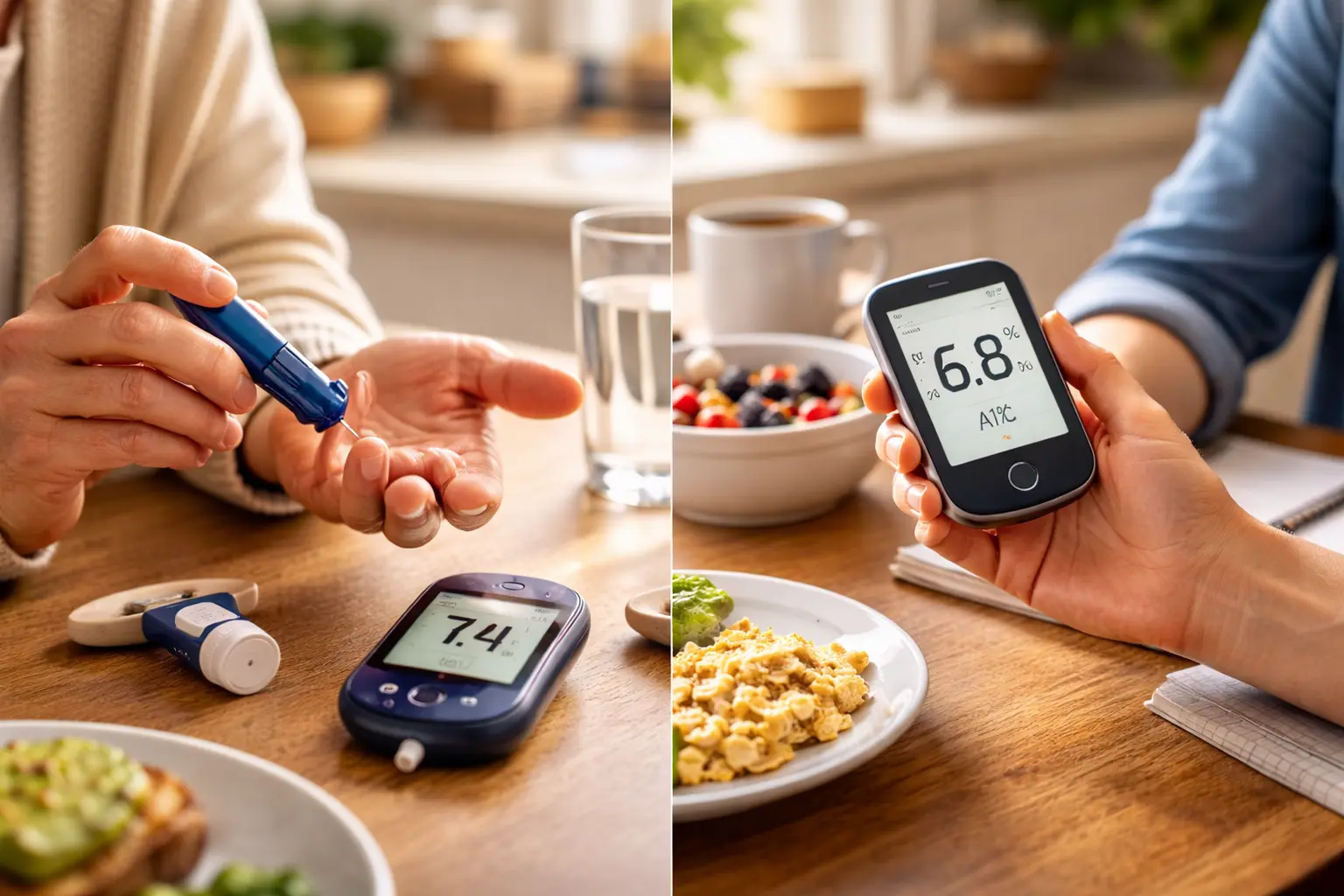
Your doctor threw around terms like a1c versus fasting glucose and you nodded along, but honestly you have no idea what either number actually means or why they both matter to your health right now.
Decoding A1C and fasting glucose
A1C measures your average blood sugar over the past 2 to 3 months, providing a broader picture of your glucose control and how well your body has been managing blood sugar day in and day out. Fasting glucose, on the other hand, shows your current blood sugar level after an overnight fast, giving you a snapshot of what your body looks like when it has been at rest without food. Think of A1C as your report card for the entire semester, while fasting glucose is a single quiz score on one morning. A1C is measured as a percentage and reflects how much of your hemoglobin has been coated with sugar molecules over time. Fasting glucose is measured in milligrams per deciliter and tells you the exact amount of glucose circulating in your bloodstream right now. Both tests are important because they reveal different information about your metabolic health. A1C helps identify long-term patterns and trends, while fasting glucose catches immediate spikes or drops that might signal a problem.
- A1C reflects long-term blood sugar trends over months, while fasting glucose offers a snapshot of your immediate sugar levels after sleep.
- Optimal A1C is below 5.7 percent, while fasting glucose should ideally fall below 100 mg/dL for non-diabetic adults.
- Consulting a healthcare provider for interpretation of results and personalized advice is crucial for understanding your own unique health needs and risk factors.
Interpreting the results
A higher A1C indicates poor blood sugar control over time, suggesting a risk for diabetes or that your current lifestyle habits are not supporting stable glucose levels. If your A1C is between 5.7 and 6.4 percent, you are in the prediabetic range, which means your body is starting to struggle with insulin sensitivity. Elevated fasting glucose levels, particularly those above 100 mg/dL, may signal prediabetes or diabetes and warrant a conversation with your doctor. It is essential to track changes in both numbers over time rather than fixating on a single test result. For example, if your A1C goes from 5.5 to 5.9 percent over six months, that upward trend is worth discussing even though you are still technically in the normal range. Your healthcare provider can help you understand what these numbers mean in the context of your age, family history, and current lifestyle. Common mistakes include ignoring small increases, assuming one elevated reading is not serious, or trying to interpret results without professional guidance.
📘 Fix your day in under 2 minuteschoose where to begin:
Making lifestyle adjustments
Implementing healthy habits like regular exercise, balanced diet, stress management, and sufficient sleep can positively impact both A1C and fasting glucose levels in meaningful ways. Start with one change rather than overhauling everything at once. For instance, adding 30 minutes of walking three times per week can lower fasting glucose within weeks and improve A1C over months. Dietary changes matter too: reducing refined carbohydrates, choosing whole grains, and eating protein with each meal helps stabilize blood sugar throughout the day. A practical example is swapping your morning sugary cereal for oatmeal with nuts and berries, which provides sustained energy instead of a spike and crash. Sleep deprivation actually impairs insulin sensitivity, so prioritizing seven to nine hours nightly is not optional. Stress management through meditation, yoga, or even ten-minute breathing exercises can lower cortisol, which directly affects how your body processes glucose. Small changes compound over time, and many young adults see noticeable improvements in their numbers within three to six months of consistent effort.
Regular monitoring and follow-up
Consistent monitoring of A1C and fasting glucose, in conjunction with regular check-ups, empowers you to take control of your health and catch problems early. Most doctors recommend A1C testing every three to six months if you are in the prediabetic range, and annually if your numbers are normal. Fasting glucose tests are often done at the same time, giving you both data points to compare. Create a simple tracking system, whether a spreadsheet or phone notes, where you record your test dates and results so you can spot trends yourself. Discussing these trends with your healthcare team ensures timely interventions if needed and helps you understand whether your lifestyle changes are actually working. If your A1C dropped from 6.2 to 5.9 percent, that is real progress worth celebrating and motivation to keep going. Regular monitoring also prevents the trap of ignoring your health until a crisis forces you to pay attention. Many young adults find that seeing their own improvement is the best motivator to maintain healthy habits long-term.
Seeking support and education
Joining support groups, attending educational workshops, or seeking guidance from healthcare professionals can provide valuable insights and motivation on managing A1C and fasting glucose levels effectively. Many hospitals and community centers offer free diabetes prevention programs specifically designed for young adults who want to take action before prediabetes becomes diabetes. These programs teach you how to read nutrition labels, plan meals, and navigate social situations without derailing your health goals. A registered dietitian can create a personalized eating plan that fits your lifestyle, budget, and food preferences rather than handing you a generic diet sheet. Online communities and apps also connect you with peers facing the same challenges, normalizing the experience and providing real-world tips. Your primary care doctor can refer you to specialists if needed, including endocrinologists who specialize in blood sugar management. Do not underestimate the power of accountability: telling a friend about your goals or joining a group makes you more likely to follow through. Education removes the mystery and anxiety around these numbers, replacing fear with knowledge and actionable steps.
Understanding the differences between A1C and fasting glucose is essential for young adults to proactively manage their health before problems develop. Regular monitoring, lifestyle adjustments, and seeking professional guidance are key steps in maintaining optimal blood sugar levels and preventing diabetes.
Can lifestyle changes alone improve A1C and fasting glucose levels?
Yes, adopting a healthy lifestyle with regular exercise, balanced diet, and stress management can significantly impact A1C and fasting glucose levels. However, individual responses may vary, and consulting a healthcare provider is advisable.
Should I be concerned if my A1C or fasting glucose levels are slightly elevated?
Slight elevations in A1C or fasting glucose levels could signal early warning signs of prediabetes or diabetes. It is important to discuss these results with a healthcare provider for proper evaluation and personalized recommendations.
Others also read:
Disclaimer: This article is for informational purposes only and is not a substitute for professional medical advice. Always consult a healthcare professional for personal guidance.
This guide has been prepared and reviewed by the GlobalHealthBeacon editorial team and reflects current medical research as of 2026. It provides structured, evidence-based information to support informed health decisions.
