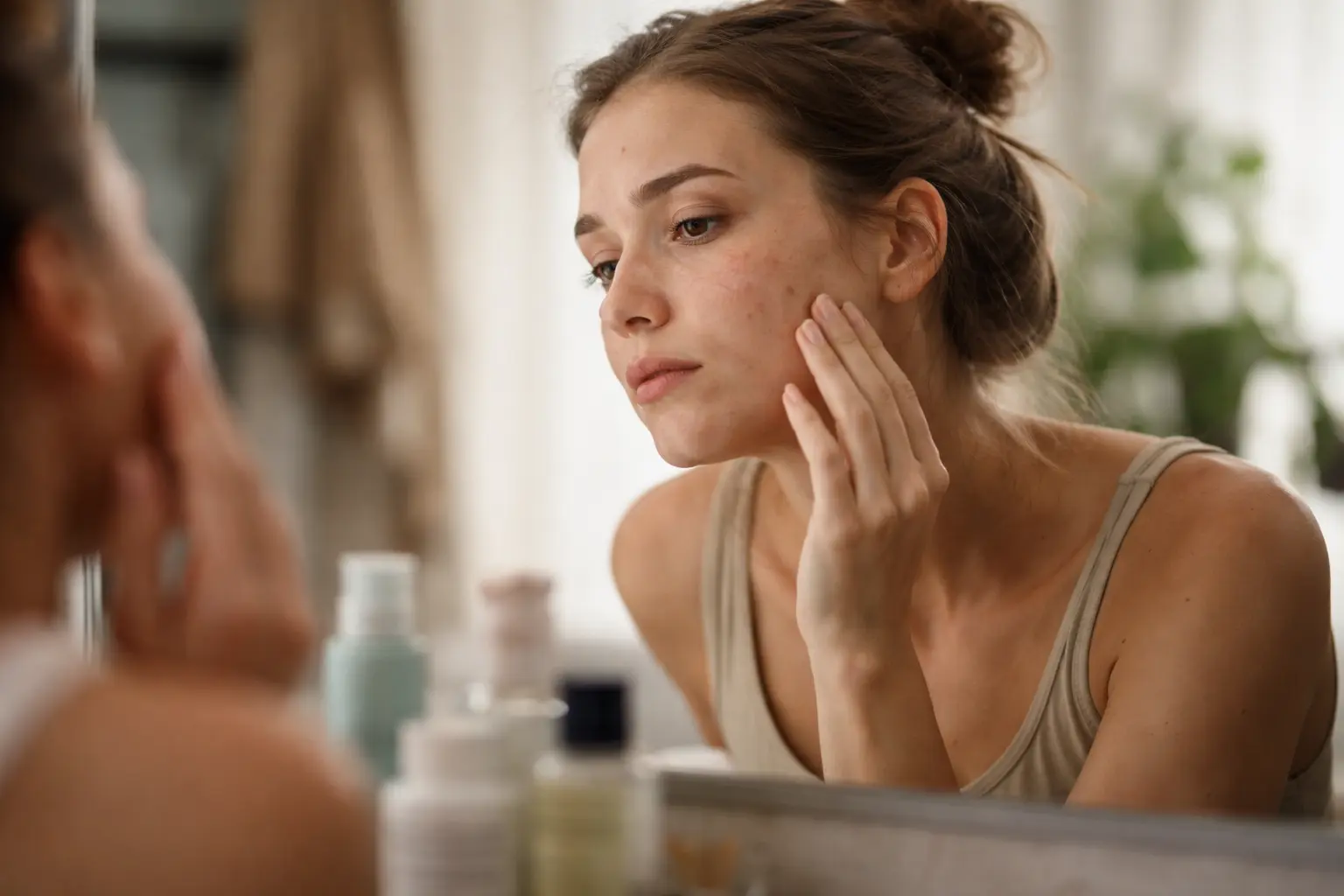
You wake up, look in the mirror, and there it is again: another breakout right when you need clear skin the most, and you’re tired of feeling like you’re fighting a losing battle with your face.
Balanced skincare routine
Your skincare routine is the foundation of clear skin, and getting it right means understanding your specific skin type first. Start by identifying whether your skin is oily, dry, combination, or sensitive, because using the wrong cleanser can actually make acne worse. A gentle, pH-balanced cleanser removes dirt and oil without stripping your skin, which is crucial because over-cleansing leads to irritation and more breakouts. After cleansing, apply a lightweight, non-comedogenic moisturizer even if you have oily skin, because dehydrated skin produces excess oil to compensate. Think of it like this: if you have a friend who gets irritable when tired, your skin gets irritable when dehydrated. Incorporate targeted ingredients like salicylic acid two to three times weekly to exfoliate dead skin cells, or benzoyl peroxide for bacterial control. Always finish with a broad-spectrum SPF 30 or higher daily, since sun exposure darkens acne scars and makes them more noticeable. Many women skip this step thinking sunscreen clogs pores, but mineral sunscreens are specifically designed to sit on skin without congestion.
- Avoid aggressive scrubbing that can irritate the skin
- Incorporate products with acne-fighting ingredients like salicylic acid or benzoyl peroxide
- Don’t forget to use sunscreen daily to protect your skin from UV damage
Healthy diet choices
What you eat directly affects your skin’s clarity, and this connection is stronger than many women realize. High-glycemic foods like white bread, sugary snacks, and processed carbohydrates spike blood sugar and insulin levels, which triggers inflammation and excess oil production in your skin. Dairy products, particularly skim milk, contain hormones that can stimulate sebum production and clog pores, so many dermatologists recommend reducing dairy intake if you’re prone to breakouts. Instead, focus on anti-inflammatory foods: fatty fish rich in omega-3s like salmon and sardines reduce skin inflammation, while colorful vegetables and berries packed with antioxidants protect skin cells from damage. A practical approach is to keep a food diary for two weeks and note which foods trigger your breakouts, since triggers vary from person to person. One woman might find that chocolate worsens her acne, while another has no reaction. Staying hydrated by drinking adequate water throughout the day also supports skin health by flushing toxins and maintaining skin elasticity. Think of your diet as fuel for your skin’s healing process, not just nutrition for your body.
📘 Fix your day in under 2 minuteschoose where to begin:
Stress-relief techniques
Stress hormones like cortisol directly increase sebum production and inflammation, which is why you often break out during stressful periods like work deadlines or relationship challenges. When you’re stressed, your body enters fight-or-flight mode, diverting resources away from skin repair and toward survival functions. Incorporating daily stress-relief practices creates a buffer against this cycle. Yoga combines stretching with controlled breathing, which lowers cortisol levels and improves circulation to your skin. Meditation, even just ten minutes daily, calms your nervous system and reduces the inflammatory response that triggers acne. Deep breathing exercises like the 4-7-8 technique (inhale for four counts, hold for seven, exhale for eight) activate your parasympathetic nervous system, essentially telling your body it’s safe to relax. Other effective practices include journaling to process emotions, spending time in nature, or engaging in hobbies that absorb your attention. Many women find that prioritizing sleep, which is when your body repairs skin cells, is equally important as any topical treatment. Aim for seven to nine hours nightly, as sleep deprivation increases stress hormones and impairs your skin’s natural healing.
Regular exercise routine
Exercise improves acne in multiple ways beyond just general health benefits. When you move your body, your heart pumps blood more efficiently, delivering oxygen and nutrients to skin cells while carrying away toxins through sweat. This increased circulation promotes collagen production, which strengthens skin and reduces the appearance of acne scars over time. Cardiovascular activities like brisk walking, running, or cycling are particularly effective because they elevate heart rate and boost circulation. Strength training builds muscle and improves hormonal balance, which helps regulate the hormonal fluctuations that trigger breakouts in many women. The key is consistency: aim for at least 150 minutes of moderate activity weekly, broken into manageable sessions. However, one critical mistake women make is exercising without proper hygiene afterward. Sweat mixed with bacteria and friction from tight clothing creates an ideal environment for acne, especially on the chest and back. Always shower within an hour of exercising, wear breathable fabrics during workouts, and change out of sweaty clothes immediately. A woman who runs three times weekly but showers hours later might not see skin improvements, whereas one who showers immediately after light activity sees results faster. Exercise also reduces stress and improves sleep quality, creating a compounding effect on skin clarity.
Consulting a dermatologist
If you’ve consistently followed a skincare routine, improved your diet, managed stress, and exercised regularly for eight to twelve weeks without seeing improvement, professional help becomes necessary. A dermatologist can identify underlying causes you might miss, such as hormonal imbalances, polycystic ovary syndrome (PCOS), or rosacea masquerading as acne. They can prescribe targeted treatments like oral antibiotics to reduce bacterial growth, hormonal birth control to regulate sebum production, or retinoids that accelerate skin cell turnover and prevent clogged pores. For severe or cystic acne, isotretinoin (Accutane) is a powerful option that can provide long-term remission or cure, though it requires careful monitoring due to potential side effects. Dermatologists also offer professional treatments like chemical peels, laser therapy, or extractions that remove stubborn comedones safely. Many women delay seeing a dermatologist because they think acne is something they should handle alone, but professional treatment can prevent permanent scarring and save months of frustration. Your dermatologist can also rule out other skin conditions and provide personalized product recommendations based on your skin’s specific needs, creating a treatment plan tailored to your biology rather than generic advice.
Achieving clearer skin involves creating a balanced skincare routine, making healthy diet choices, managing stress, staying active, and seeking professional help when necessary.
Can acne be cured completely?
While acne may not have a definitive cure, it can be effectively managed with the right skincare regimen and lifestyle choices.
Are natural remedies effective for treating acne?
Some natural remedies like tea tree oil or aloe vera may help improve acne symptoms, but results can vary. It’s important to consult with a healthcare provider for personalized advice.
Others also read:
Disclaimer: This article is for informational purposes only and is not a substitute for professional medical advice. Always consult a healthcare professional for personal guidance.
This guide has been prepared and reviewed by the GlobalHealthBeacon editorial team and reflects current medical research as of 2026. It provides structured, evidence-based information to support informed health decisions.
