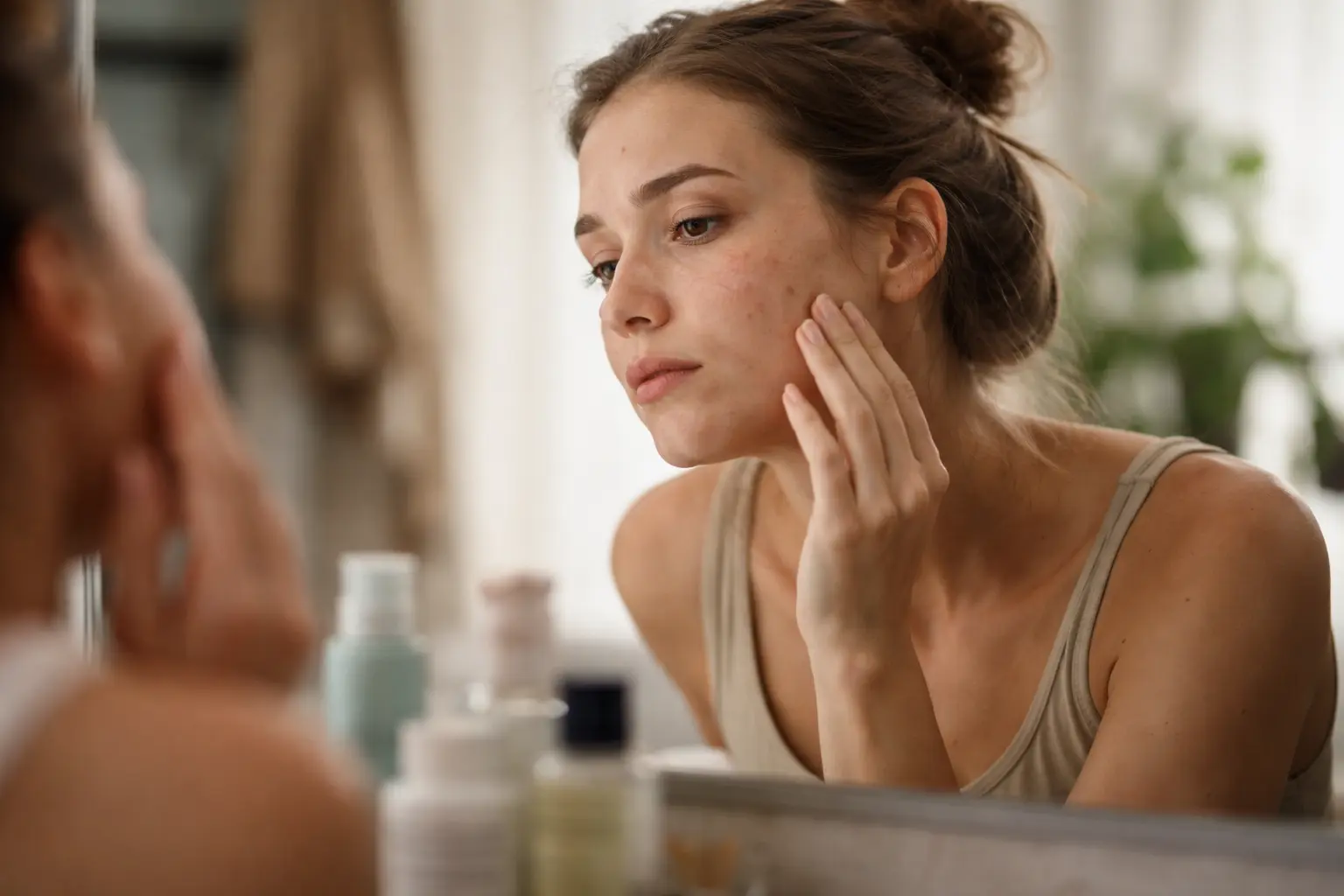
You thought acne was behind you decades ago, but here it is again, showing up on your face like an unwelcome guest, and this acne treatment guide is finally going to explain why it’s happening and what actually works.
Understanding acne: a biological perspective
Acne occurs when hair follicles become clogged with oil and dead skin cells, leading to the growth of bacteria. This process triggers inflammation, causing the characteristic red and swollen appearance of pimples and blackheads. For seniors, understanding this mechanism is particularly important because skin changes with age. The sebaceous glands, which produce oil, can become overactive due to hormonal shifts, medication side effects, or changes in skin cell turnover. Consider a 55-year-old woman experiencing unexpected breakouts around her jawline and chin. This pattern often reflects hormonal fluctuations rather than poor hygiene. The bacteria involved, primarily Cutibacterium acnes, thrives in oxygen-poor environments within clogged follicles. When the immune system responds to this bacterial presence, it releases inflammatory compounds that create the visible lesions. Recognizing that acne is a biological process, not a personal failure, helps seniors approach treatment with realistic expectations and proper strategies.
Factors contributing to acne development
Hormonal changes, genetics, diet, and stress can all influence the severity of acne. Understanding these factors is crucial for tailoring an effective treatment plan that addresses the root causes of your skin condition. In seniors, hormonal shifts from menopause, thyroid changes, or medication adjustments often trigger breakouts that seem to appear overnight. A 62-year-old man starting a new blood pressure medication might notice increased acne within weeks, as certain drugs can alter skin oil production. Genetics play a persistent role too; if your parents struggled with acne, your skin is more predisposed to follicle clogging and bacterial overgrowth. Stress hormones like cortisol increase sebum production, explaining why breakouts often cluster during emotionally demanding periods. Diet influences acne through blood sugar spikes and inflammatory responses; high-glycemic foods and dairy products may worsen breakouts in susceptible individuals. Environmental factors such as humidity, pollution, and friction from tight clothing also contribute. By identifying which factors affect your specific situation, you can address the actual drivers of your acne rather than treating symptoms alone.
Evidence-based acne treatments
Topical treatments like benzoyl peroxide and retinoids can help unclog pores and reduce inflammation by increasing cell turnover and preventing bacterial colonization. Benzoyl peroxide works by releasing oxygen into the follicle, creating an inhospitable environment for bacteria. Retinoids, derived from vitamin A, normalize skin cell shedding and reduce sebum production over time. Oral medications such as antibiotics and isotretinoin are prescribed for severe cases of acne when topical approaches prove insufficient. Antibiotics reduce bacterial populations and inflammatory responses, though they work best when combined with other treatments to prevent resistance. Isotretinoin, a powerful medication for severe nodular acne, requires careful monitoring due to potential side effects but offers the possibility of long-term remission. Laser therapy and chemical peels can be effective in targeting stubborn acne lesions by promoting collagen remodeling and reducing sebaceous gland activity. A 58-year-old with persistent deep cystic acne might benefit from a combination approach: a retinoid at night, benzoyl peroxide in the morning, and periodic professional treatments. The key is matching the treatment intensity to the acne severity and your skin’s tolerance.
- Consult a dermatologist to assess your acne and determine the most suitable treatment plan tailored to your specific skin type, acne severity, and medical history.
- Follow a consistent skincare routine to maintain the health of your skin and prevent future breakouts, using gentle cleansing and appropriate moisturization.
- Monitor your progress and make adjustments to your treatment as necessary in consultation with your healthcare provider, keeping track of improvements and any side effects.
🔬 Science-backed benefits in 2 minuteschoose where to begin:
Lifestyle changes to support acne management
Eating a balanced diet, staying hydrated, practicing stress-reducing techniques, and avoiding harsh skincare products can all contribute to the overall health of your skin and help manage acne symptoms. Hydration supports skin barrier function and helps flush metabolic waste; seniors often underestimate how much water they need, especially if they take medications that increase fluid loss. A 60-year-old who increased water intake from 4 to 8 glasses daily noticed clearer skin within three weeks, though individual results vary. Stress reduction through meditation, gentle exercise, or hobbies directly lowers cortisol levels, which reduces sebum overproduction. Avoiding harsh scrubs and astringent products prevents irritation that can trigger inflammatory responses and worsen acne. Instead, gentle cleansing with lukewarm water and mild, non-comedogenic products respects the skin barrier. Sleep quality matters too; during deep sleep, skin undergoes repair and regeneration, and poor sleep increases inflammation. Limiting alcohol and smoking, which dehydrate skin and impair healing, supports clearer skin. These lifestyle adjustments work synergistically with medical treatments, creating an environment where your skin can heal more effectively.
The importance of sun protection
Applying a broad-spectrum sunscreen daily and avoiding excessive sun exposure is vital for protecting your skin from UV damage, which can exacerbate acne and lead to premature aging. UV radiation penetrates the skin, damaging collagen and elastin while triggering inflammatory responses that worsen existing acne lesions. Many seniors believe that sun exposure helps dry out acne, a misconception that leads to sun damage and post-inflammatory hyperpigmentation, which is particularly visible on darker skin tones. A 65-year-old who spent years in the sun without protection may notice that acne scars become more prominent due to loss of skin elasticity. Broad-spectrum sunscreen protects against both UVA and UVB rays, preventing this cumulative damage. Mineral sunscreens containing zinc oxide or titanium dioxide are often gentler on acne-prone skin than chemical formulations. Reapplying every two hours, especially after swimming or sweating, maintains protection. Seeking shade during peak UV hours (10 AM to 4 PM) and wearing protective clothing further reduces exposure. This preventive approach not only manages current acne but also protects against future skin damage and maintains skin texture and tone.
Seeking ongoing support and guidance
Regular follow-ups with your dermatologist, open communication about your concerns and treatment progress, and staying informed about the latest developments in acne care are key to achieving clear and healthy skin. Acne treatment is rarely a one-time fix; it requires patience and adjustment as your skin responds to interventions. A 70-year-old starting a new treatment should expect to wait 6 to 8 weeks before seeing significant improvement, as skin cell turnover takes time. Keeping a simple log of breakouts, triggers, and treatment responses helps you and your dermatologist identify patterns and refine your approach. Discussing side effects openly, whether dryness, irritation, or mood changes, allows your provider to modify treatments before you abandon them prematurely. Staying informed through reputable sources like dermatology journals and professional organizations helps you understand emerging treatments and ask informed questions. Building a collaborative relationship with your healthcare provider transforms acne management from a frustrating struggle into a structured, evidence-based process with realistic expectations and measurable progress.
Understanding the biological processes behind acne and adopting evidence-based treatments can help seniors effectively manage their skin condition. Lifestyle changes, sun protection, and ongoing support are crucial elements in achieving optimal skin health.
Can diet influence acne development?
While more research is needed, some studies suggest that high-glycemic foods and dairy products may exacerbate acne in some individuals. Consult with a healthcare provider to determine if dietary changes could benefit your skin.
Is it safe to use over-the-counter acne products?
Over-the-counter acne products containing benzoyl peroxide or salicylic acid can be effective for mild acne. However, if your symptoms persist or worsen, it’s advisable to seek advice from a dermatologist.
Others also read:
Disclaimer: This article is for informational purposes only and is not a substitute for professional medical advice. Always consult a healthcare professional for personal guidance.
This article has been prepared and reviewed by the GlobalHealthBeacon editorial team and is based on current medical research and published scientific literature available in 2026. It provides structured, evidence-based information to support informed health decisions.
