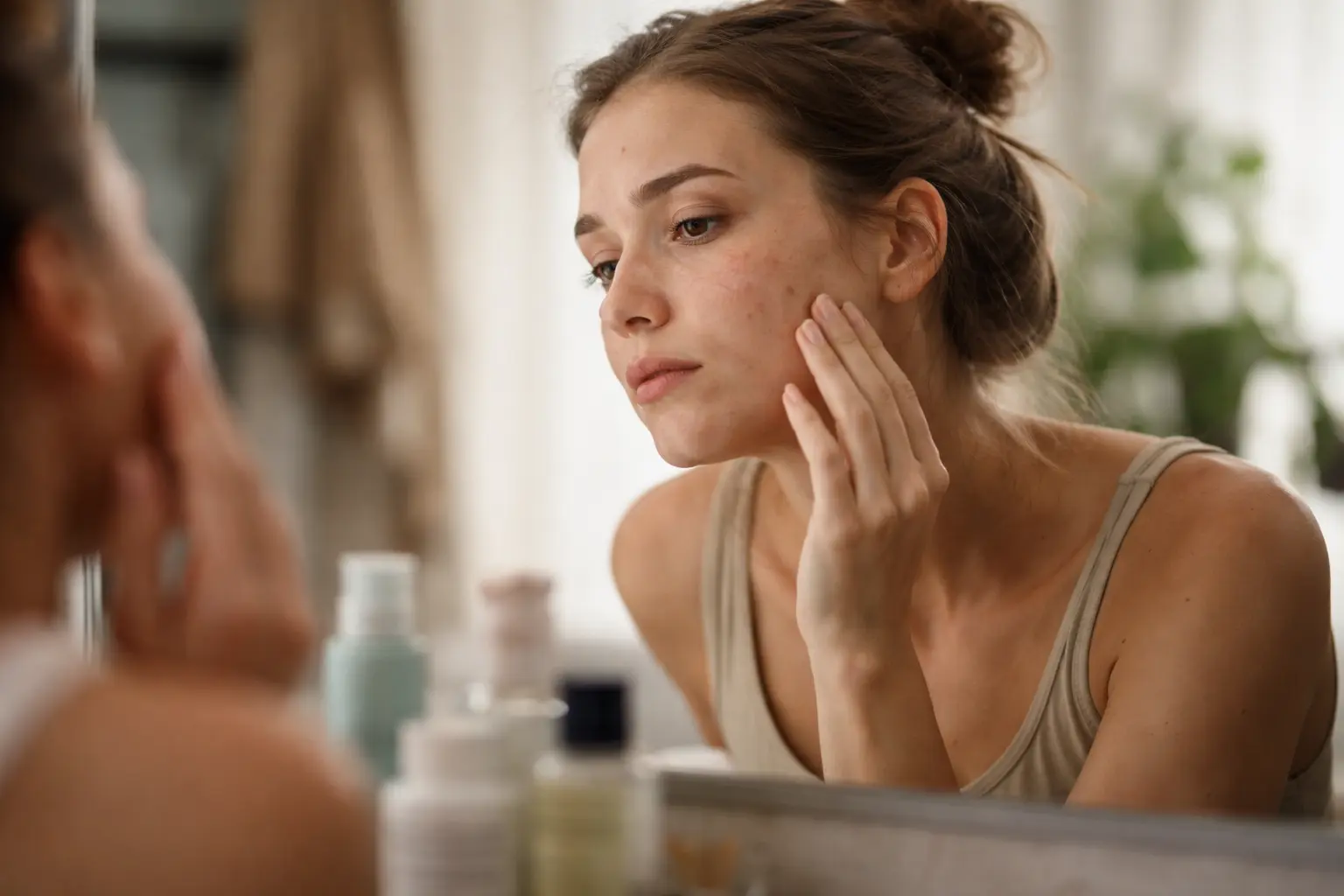
You wake up, look in the mirror, and there it is again, another breakout mocking you right before an important day, and you’re tired of feeling like your skin is working against you instead of for you, so let’s fix this with a real acne treatment guide that actually works.
Understanding acne: what causes those pesky pimples?
Acne starts when your hair follicles get blocked. Dead skin cells mix with sebum, the natural oil your skin produces, and bacteria move in. The result is inflammation, redness, and those frustrating bumps that seem to appear overnight. Think of it like a tiny traffic jam in your pores. When you understand this process, you can target it effectively. For example, if you have oily skin, your sebum production is higher, which means more blockage risk. If you have dry skin, dead cells pile up faster. Some people get acne from hormonal changes, others from bacteria buildup, and many from a combination. The key is recognizing your specific trigger. Is it the products you use? Your pillowcase? How often you touch your face? Once you identify what’s happening beneath the surface, you can choose treatments that actually address the root cause instead of just covering up the symptoms.
- Maintain a regular skincare routine to keep your skin clean and prevent clogged pores.
- Avoid touching your face frequently to reduce the spread of bacteria and oil.
- Incorporate non-comedogenic products into your skincare regimen to minimize pore blockages.
Healthy habits for clearer skin: start from within
Your skin reflects what happens inside your body. When you eat processed foods high in sugar and refined carbs, your blood sugar spikes, which triggers inflammation throughout your body, including your skin. Drinking water helps flush toxins and keeps skin hydrated from the inside, making it less likely to overproduce oil to compensate. Exercise increases blood flow, delivering oxygen and nutrients to your skin cells while reducing stress hormones that trigger breakouts. A young adult who works a desk job might notice acne improves dramatically after adding three 30-minute workouts per week. Sleep matters too. During deep sleep, your body repairs skin damage and balances hormones. If you’re getting only five hours nightly, your cortisol levels stay elevated, which signals your skin to produce more oil. Aim for seven to nine hours. Real talk: you don’t need to overhaul everything at once. Start by adding one habit, like drinking an extra glass of water daily or taking a 20-minute walk. Once that feels normal, add another. Small, consistent changes compound into visible results within four to six weeks.
📘 Fix your day in under 2 minuteschoose where to begin:
Skincare products demystified: choosing the right solutions
The skincare aisle is overwhelming. Dozens of brands promise clear skin, but most are selling you more than you need. The foundation is simple: a gentle cleanser, a lightweight moisturizer, and a targeted treatment. Start with a cleanser that doesn’t strip your skin. If you use something too harsh, your skin overcompensates by producing excess oil, which worsens acne. Salicylic acid is a beta hydroxy acid that penetrates oily pores and removes dead skin cells. Benzoyl peroxide kills acne-causing bacteria. Both work, but use one or the other, not both at first. A common mistake is applying too much too fast. Someone might use a 10 percent benzoyl peroxide treatment twice daily and end up with irritated, peeling skin that’s actually more inflamed. Start with 2.5 percent, once daily. After two weeks, assess. If your skin tolerates it, increase frequency. Moisturizer isn’t optional for acne-prone skin. Dry, irritated skin is more prone to breakouts. Choose oil-free, non-comedogenic formulas. Spot treatments work best at night when your skin repairs itself. Apply a pea-sized amount directly to active breakouts. Consistency beats perfection. Using the right products inconsistently won’t help. Stick with one routine for at least six weeks before deciding if it’s working.
Lifestyle adjustments for acne management: stress less, glow more
Stress is an acne accelerant. When you’re stressed, your body releases cortisol, which increases oil production and inflammation. You’ve probably noticed this yourself: during exam week or a stressful project, your breakouts worsen. The solution isn’t to eliminate stress, which is impossible, but to manage your response to it. Yoga, meditation, or even a 10-minute walk can lower cortisol. Some young adults find that journaling before bed helps them process anxiety instead of letting it manifest as skin inflammation. Your environment matters too. Change your pillowcase every two to three days. Bacteria and oil accumulate on fabric, and you press your face against it for eight hours nightly. A clean pillowcase is a simple win. Smoking restricts blood flow to your skin, slowing healing. Alcohol dehydrates you, which triggers more oil production. If you drink, follow each alcoholic beverage with water. Sleep position affects acne too. If you sleep on your side or stomach, you’re pressing your face into your pillow nightly, trapping bacteria and oil. Try sleeping on your back when possible. These aren’t dramatic changes, but together they reduce the conditions that allow acne to thrive.
Professional help: when to consult a dermatologist
If you’ve followed a solid routine for eight to twelve weeks and your acne hasn’t improved, or if it’s severe, painful, or leaving scars, see a dermatologist. This isn’t failure. It’s recognizing when you need expert help. A dermatologist can prescribe retinoids like tretinoin, which speed up cell turnover and prevent clogging. They can prescribe oral antibiotics if bacterial infection is severe. For hormonal acne, especially in people with periods, birth control can be effective because it regulates the hormonal fluctuations that trigger breakouts. Some dermatologists offer professional treatments like chemical peels, laser therapy, or extractions that you shouldn’t attempt at home. A dermatologist visit typically costs between 100 and 300 dollars, and many insurance plans cover it. Think of it as an investment in your skin’s future. Untreated severe acne can leave permanent scarring. Treating it early prevents that outcome. Your dermatologist will also rule out other conditions that mimic acne, like rosacea or fungal infections, which require different treatment approaches. Don’t wait until you’re desperate. If acne is affecting your confidence or quality of life, that’s reason enough to seek professional guidance.
Understanding the causes of acne, adopting healthy habits, choosing suitable skincare products, making lifestyle adjustments, and seeking dermatological assistance are key steps in achieving clear skin for young adults dealing with acne.
Can certain foods worsen acne?
While the link between diet and acne isn’t definitive, some people may find that consuming dairy, high-glycemic index foods, or sugary items can exacerbate their acne. It’s essential to observe how your skin reacts to different foods and adjust your diet accordingly.
Is it necessary to use all-natural skincare products for acne treatment?
Natural skincare products can be beneficial, but the most crucial factor is finding products that are suitable for your skin type and condition. Look for non-comedogenic products that won’t clog your pores and ingredients like salicylic acid or benzoyl peroxide that target acne effectively.
Others also read:
Disclaimer: This article is for informational purposes only and is not a substitute for professional medical advice. Always consult a healthcare professional for personal guidance.
This guide has been prepared and reviewed by the GlobalHealthBeacon editorial team and reflects current medical research as of 2026. It provides structured, evidence-based information to support informed health decisions.
