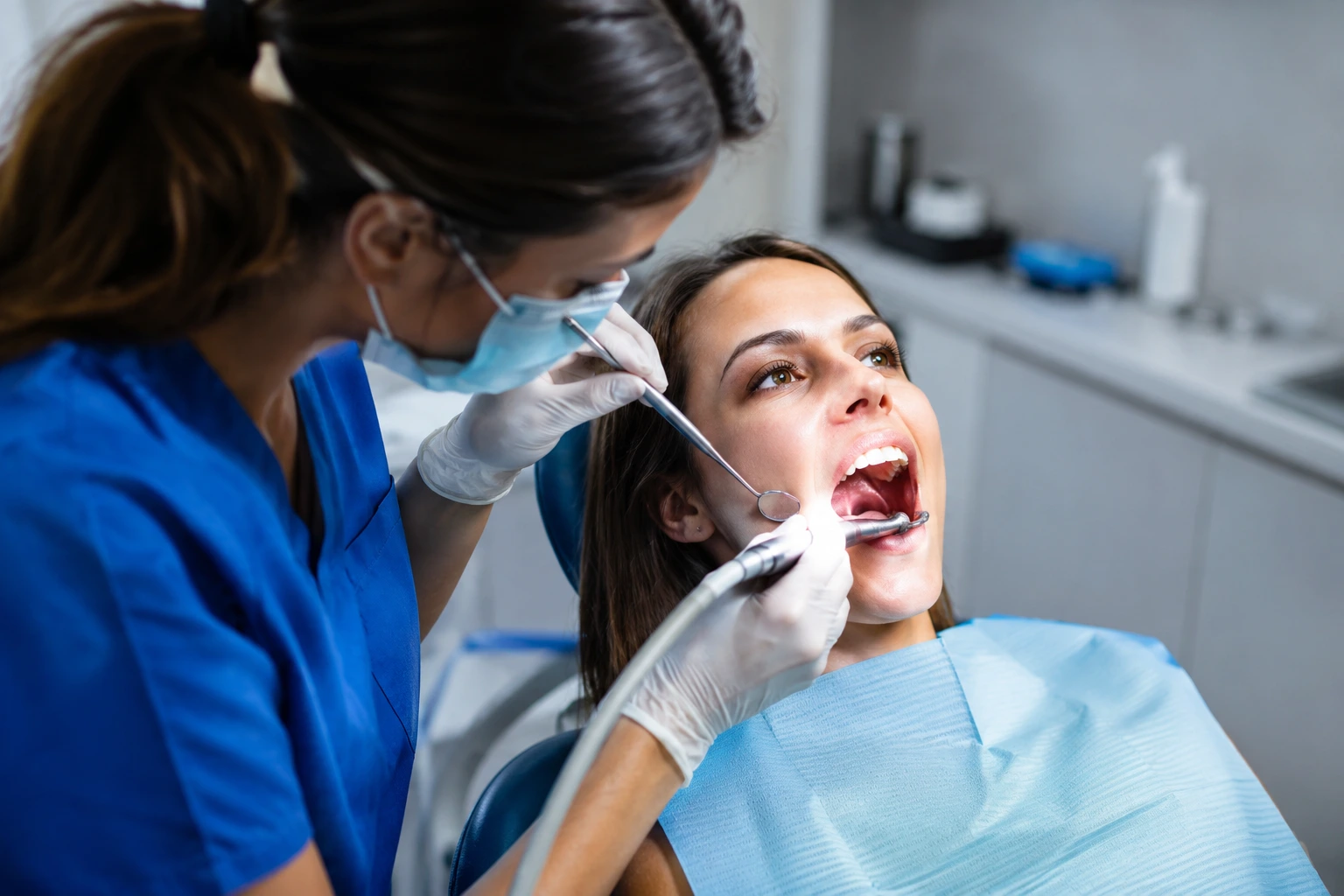
Your gums bleed when you brush, your breath feels off, and you know something needs to change – a deep cleaning dental procedure might be exactly what your mouth is telling you it needs.
Understanding deep cleaning dental procedure
Deep cleaning, medically known as scaling and root planing, is fundamentally different from the standard cleaning you get twice a year. While a regular cleaning removes surface plaque and tartar above the gumline, deep cleaning targets the hidden zones where bacteria thrive. Imagine your teeth as buildings with foundations – regular cleaning handles the exterior walls, but deep cleaning excavates below ground level where the real damage accumulates. When gum disease develops, pockets form between your teeth and gums, creating spaces where plaque hardens into tartar that a regular toothbrush simply cannot reach. This procedure uses specialized instruments to carefully remove that buildup from below the gumline and smooth the root surfaces, which helps your gums reattach properly. Many women discover they need this procedure after noticing persistent gum inflammation, recession, or bleeding that doesn’t improve with better home care alone.
- Importance of deep cleaning for preventing gum disease
- Explanation of the tools and techniques used during the procedure
- Overview of the benefits and potential risks involved
Preparing for your deep cleaning appointment
Preparation starts well before you sit in the dental chair. Schedule your appointment when you’re not rushed or stressed, as anxiety can make the experience feel more uncomfortable. Contact your dentist at least a week ahead to discuss any medications you take, especially blood thinners or anticoagulants, which can affect bleeding during the procedure. Eat a light meal beforehand so you’re not hungry but not overly full either. Brush and floss gently the night before – you want your mouth clean but not irritated. On the day of your appointment, wear comfortable clothing and plan to have someone available if sedation is used. Ask your dentist specifically about what numbing agents they’ll use and whether you should avoid eating or drinking beforehand. Some women find it helpful to write down questions or concerns to discuss during the pre-procedure consultation, ensuring nothing gets overlooked.
📘 Fix your day in under 2 minuteschoose where to begin:
During the deep cleaning procedure
The actual procedure typically takes between one to four hours depending on how many teeth need treatment and the extent of buildup. Your hygienist will begin by applying a topical anesthetic to numb your gums, followed by local injections to ensure you feel pressure but not pain. You may hear the ultrasonic scaler – that high-pitched humming sound – which vibrates to break apart tartar deposits. The sensation feels like vibration and pressure rather than pain, though some women report mild discomfort in sensitive areas. Your hygienist will work methodically through each section of your mouth, often dividing the procedure into quadrants treated over multiple appointments. You might taste a metallic flavor and feel water spray as the area is continuously rinsed. Throughout the process, communicate with your dentist if you need a break or feel uncomfortable. Many practices allow you to raise your hand as a signal. After the scaling is complete, the root planing phase smooths the tooth roots to help gums heal and reattach properly.
Post-procedure care and maintenance
The first 24 to 48 hours after deep cleaning are critical for healing. Your gums will likely feel tender and may bleed slightly when you rinse – this is completely normal and typically resolves within a few days. Avoid hot foods and drinks, hard or crunchy foods, and anything that requires vigorous chewing. Stick to soft foods like yogurt, soup, smoothies, and mashed vegetables. Rinse gently with warm salt water several times daily to reduce inflammation and promote healing. Your dentist may prescribe an antimicrobial rinse to use for one to two weeks. Continue brushing gently with a soft-bristled toothbrush, being especially careful around treated areas. Most dentists recommend waiting 24 hours before flossing, then resuming with gentle technique. Some sensitivity to temperature is normal for a few weeks – using sensitivity toothpaste can help. Attend all follow-up appointments, as your dentist needs to monitor healing and may recommend additional treatments if pockets remain.
Long-term oral health benefits
Deep cleaning represents an investment in your mouth’s future. By removing the bacterial buildup that causes gum disease, you’re stopping the progression of a condition that, left untreated, leads to bone loss and tooth loss. Women often find that after deep cleaning, their gums become healthier, bleeding stops, and their breath improves noticeably. The procedure essentially gives your immune system a fighting chance to heal the damage that’s already occurred. To maintain these benefits, commit to excellent home care – brushing twice daily with fluoride toothpaste, flossing every single day, and using an antimicrobial rinse if recommended. Schedule regular check-ups every three to four months initially, then every six months once your gums stabilize. Some women benefit from professional cleanings more frequently than the standard twice yearly. Your dentist may also recommend lifestyle adjustments like stress management and smoking cessation if applicable. The combination of professional treatment and consistent home care creates the foundation for long-term oral health and prevents the need for more invasive procedures down the road.
Deep cleaning dental procedures involve a thorough removal of plaque and tartar below the gumline to prevent gum disease. Preparing for the appointment, understanding the procedure, and following proper post-care instructions are crucial for optimal results and long-term oral health benefits.
Is deep cleaning painful?
While you may experience some discomfort during the deep cleaning procedure, the local anesthetic administered by the dentist should help minimize any pain. It’s normal to feel slight pressure and vibrations during the cleaning process.
How often should I undergo deep cleaning?
The frequency of deep cleanings depends on your individual oral health needs. Your dentist will recommend the best schedule for you based on factors like the presence of gum disease, the extent of plaque buildup, and your overall oral hygiene habits.
Others also read:
Disclaimer: This article is for informational purposes only and is not a substitute for professional medical advice. Always consult a healthcare professional for personal guidance.
This guide has been prepared and reviewed by the GlobalHealthBeacon editorial team and reflects current medical research as of 2026. It provides structured, evidence-based information to support informed health decisions.
