Your gums bleed when you floss, your breath feels off, and you can feel that sticky buildup no matter how hard you brush – a deep cleaning dental procedure might be exactly what your mouth needs to reset.
Understanding deep cleaning
Deep cleaning, also called scaling and root planing, is a non-surgical procedure that targets the stuff regular brushing can’t reach. Imagine plaque as an invisible film that hardens into tartar below your gumline, creating pockets where bacteria thrive. Your hygienist uses specialized tools to physically remove this buildup from the tooth surface and smooth the root, which prevents bacteria from reattaching. Think of it like a deep reset for your gums. For someone juggling work, school, or side projects, this procedure is a practical investment because it stops gum disease before it becomes expensive. The process typically takes one to two appointments depending on how much buildup you have. Many young adults don’t realize they need this until they notice their gums are swollen, tender, or bleeding during their regular checkup. Getting ahead of it now means avoiding root canals, extractions, or more intensive treatments down the road.
- Reduces bacteria and inflammation in the gums
- Smooths the tooth root to prevent bacteria buildup
- Supports long-term oral health and overall well-being
Preparing for deep cleaning
Before you book your appointment, give your dentist a full picture of your health. Tell them about any medications you take, especially blood thinners, because they affect how your gums bleed during the procedure. If you have anxiety about dental work, mention it upfront so they can plan extra time and discuss numbing options. Schedule your appointment when you’re not rushing between commitments, ideally with a longer time slot so your hygienist isn’t hurried. Some people find it helpful to eat a light meal beforehand so they don’t feel faint, and to avoid caffeine which can make you jittery. The night before, brush gently and floss if your gums aren’t too tender. Wear comfortable clothes since you’ll be reclined for a while. If you’re nervous, bring headphones or ask if they have a distraction like a ceiling screen. This isn’t a quick five-minute cleaning, so set realistic expectations and give yourself permission to take it slow.
📘 Fix your day in under 2 minuteschoose where to begin:
During the procedure
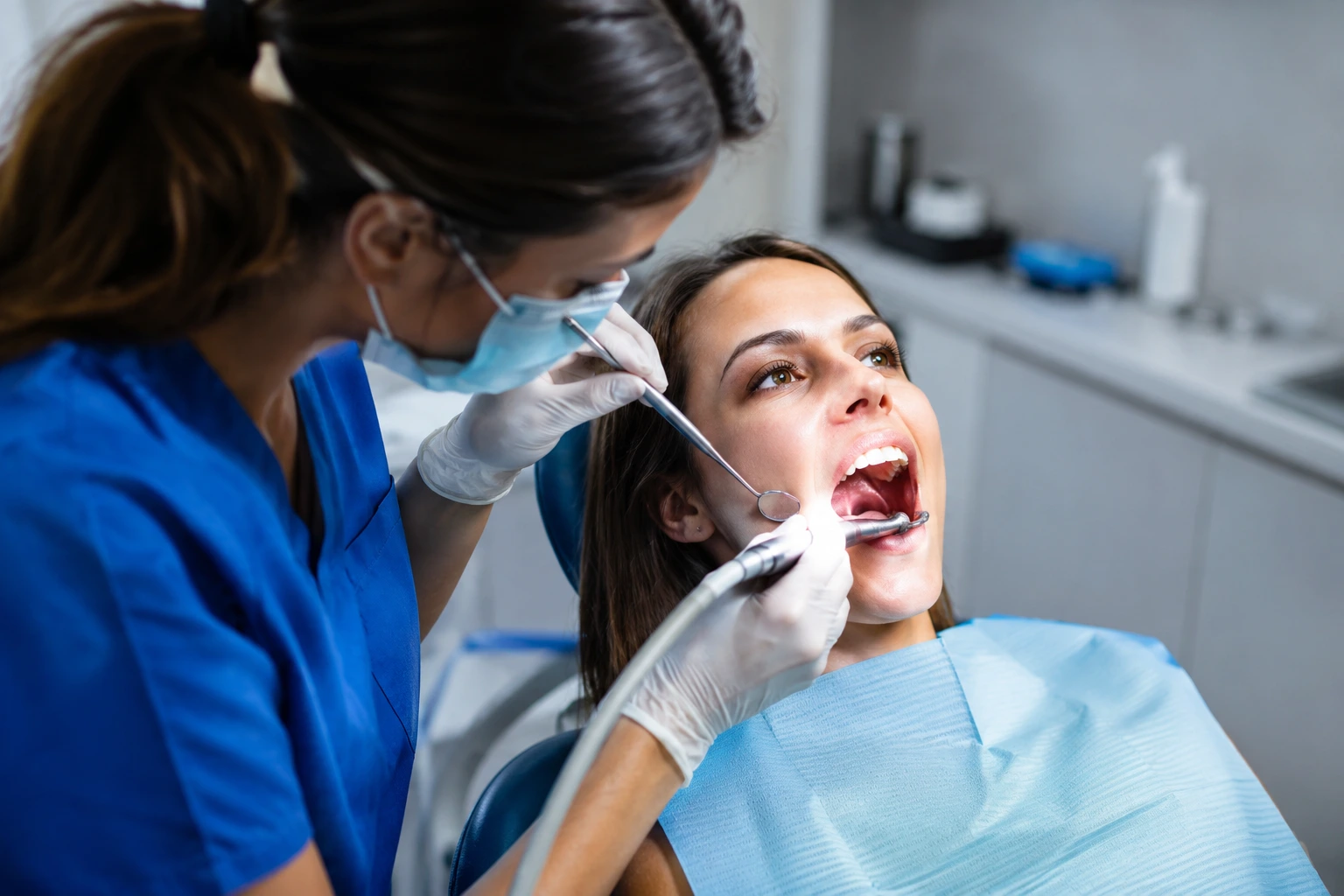
When you arrive, your hygienist will apply a numbing gel to your gums, then inject a local anesthetic so you feel pressure but not pain. The actual cleaning happens in quadrants, meaning they tackle one section of your mouth at a time, usually over two appointments. You’ll hear the scaler vibrating and feel water spray, but discomfort is rare because of the numbing. The hygienist scrapes away tartar from above and below the gumline, then uses a curette to smooth the root surface so it’s less sticky for bacteria. The whole process might take 30 to 90 minutes depending on how much buildup exists. You might taste a metallic flavor or feel slight pressure, which is completely normal. Some people feel their gums tighten as the procedure progresses, which is actually a good sign that inflammation is reducing. If you feel pain rather than pressure, raise your hand immediately so they can apply more numbing. After each quadrant, they might rinse and check their progress. It’s not glamorous, but it’s straightforward and effective.
Aftercare tips
Right after deep cleaning, your gums are tender and healing, so treat them gently for the first week. Avoid hard, crunchy, or hot foods that irritate sensitive tissue, and stick to soft options like yogurt, soup, or smoothies. Rinse with warm salt water three times daily to reduce inflammation and promote healing. Your dentist might prescribe an antimicrobial rinse to use for a few weeks to keep bacteria under control. Brush gently with a soft-bristled toothbrush and avoid aggressive scrubbing, which defeats the purpose of the cleaning. Some sensitivity to cold is normal for a few days, so use a sensitivity toothpaste if needed. Don’t skip flossing, but be gentle around treated areas. Avoid smoking and alcohol for at least a week because they slow healing. Schedule your follow-up appointment as recommended, usually four to six weeks later, so your dentist can check that your gums are responding well. This is when they assess whether you need additional treatment or if the cleaning resolved the issue.
Benefits of deep cleaning
The payoff of deep cleaning extends far beyond your mouth. Healthy gums mean reduced risk of periodontal disease, which research links to heart disease, diabetes complications, and respiratory issues. Your breath improves noticeably because you’ve eliminated the bacteria causing odor. Your smile looks better because your gums are no longer swollen or receding. For young adults, this procedure is genuinely preventative, meaning you’re stopping a problem before it becomes serious and expensive. Instead of facing a root canal or extraction in your thirties or forties, you’ve addressed it now when treatment is simpler and less costly. Many people feel a psychological boost too, knowing they’ve taken control of their health rather than ignoring warning signs. Your teeth feel smoother and cleaner, and you’ll likely notice your regular brushing is more effective because bacteria aren’t hiding in deep pockets anymore. Over time, your gum health stabilizes, your dental visits become less stressful, and you avoid the domino effect of tooth loss that can follow untreated gum disease.
Deep cleaning dental procedures effectively remove plaque and tartar to support gum health and prevent oral diseases. Regular scaling and root planing, coupled with proper oral hygiene, can lead to a healthier smile and long-term oral well-being.
Is deep cleaning painful?
Most patients experience minimal discomfort during deep cleaning as the gums are numbed before the procedure. However, if you have concerns, discuss them with your dentist who can offer additional options for pain management.
How often should I get a deep cleaning?
The frequency of deep cleanings depends on your oral health needs. Typically, individuals with early signs of gum disease may require more frequent cleanings. Your dentist will recommend a personalized schedule based on your oral health assessment.
Others also read:
Disclaimer: This article is for informational purposes only and is not a substitute for professional medical advice. Always consult a healthcare professional for personal guidance.
This guide has been prepared and reviewed by the GlobalHealthBeacon editorial team and reflects current medical research as of 2026. It provides structured, evidence-based information to support informed health decisions.
