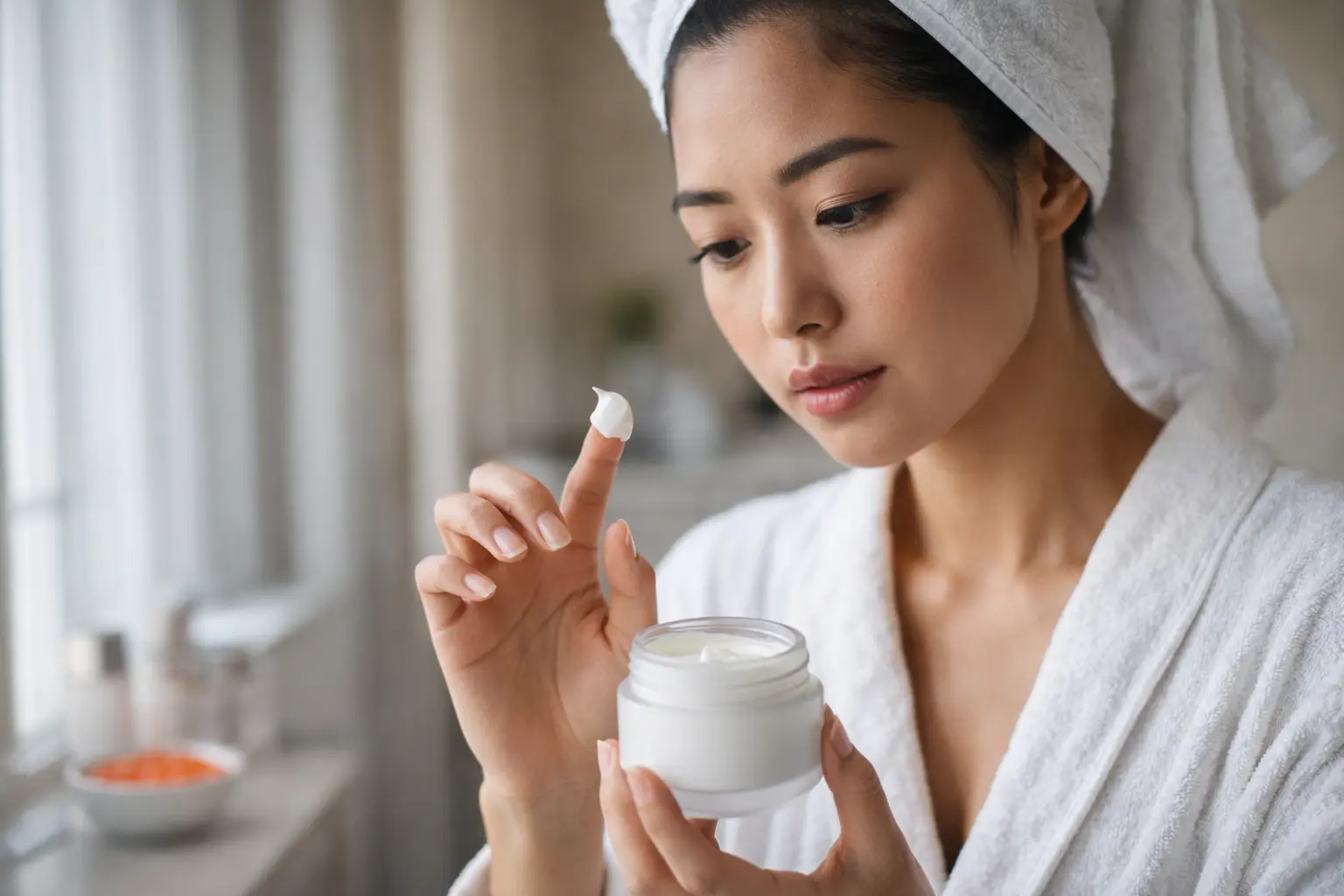
Your skin feels tight, dull, and nothing you’ve tried seems to stick, so you’ve heard the hype about Korean skincare explained everywhere and you’re wondering if those glass bottles and mysterious essences are actually the answer or just expensive marketing.
Understanding the korean skincare routine
Korean skincare routines stand apart because they treat your skin like a living ecosystem that needs consistent nourishment, not just a quick fix. The famous multi-step approach isn’t about complexity for its own sake. Instead, each layer serves a purpose. Think of it like building a protective shield. You start by removing everything on your skin, then you hydrate deeply, then you add active ingredients, and finally you seal everything in. A woman with combination skin might use a gentle cream cleanser first to dissolve makeup and oils, then a water-based cleanser to remove residue. Next comes a gentle exfoliant used two to three times weekly to slough away dead cells. Then she layers a hydrating essence, a targeted serum for her specific concern like dark spots, a lightweight moisturizer, and finally an eye cream. This isn’t excessive. Each step addresses a different layer of your skin’s needs. The routine adapts to seasons too. In winter you might add an extra hydrating layer. In summer you might skip the heavier cream. This flexibility is what makes Korean skincare sustainable long-term.
- Double cleansing for thorough removal of makeup and impurities
- Exfoliation to reveal fresh, glowing skin
- Layering of essences, serums, and creams for deep hydration
Exploring key ingredients in korean skincare
Korean skincare products rely on ingredients that have been tested and refined over decades. Snail mucin sounds strange until you understand it’s packed with glycoproteins and hyaluronic acid that plump your skin and reduce fine lines. Hyaluronic acid itself is a humectant, meaning it pulls moisture from the air into your skin. One molecule can hold up to 1000 times its weight in water. Ginseng, used in Korean skincare for centuries, boosts circulation and has anti-inflammatory properties that calm redness. Niacinamide strengthens your skin barrier and regulates sebum production. Peptides signal your skin to produce more collagen. A woman with sensitive skin might choose products with centella asiatica, which soothes irritation and strengthens the skin barrier. Someone with oily skin benefits from salicylic acid or tea tree oil. The key is understanding what your skin actually needs versus what sounds trendy. Korean brands excel at ingredient transparency, listing concentrations and explaining benefits. This educational approach helps you make choices based on your skin’s actual concerns, not just marketing.
📘 Fix your day in under 2 minuteschoose where to begin:
Decoding k-beauty trends and technology
K-beauty evolves constantly, but the innovations serve real purposes. Sheet masks deliver concentrated serums directly to your skin for 15 to 20 minutes, making them perfect for a quick hydration boost before an event or when your skin feels dehydrated. Ampoules are highly concentrated serums with minimal fillers, so a few drops go a long way. Essences sit between toner and serum in texture and function as hydrating layers that prep your skin for heavier products. LED masks use different light wavelengths. Red light stimulates collagen production. Blue light targets acne-causing bacteria. Yellow light reduces redness. These devices aren’t magic, but consistent use over weeks can show measurable improvements. Gua sha tools and facial rollers improve lymphatic drainage and reduce puffiness. The trend toward glass skin, which means poreless, luminous skin, has driven innovation in brightening and pore-minimizing products. What matters is choosing tools and products that align with your routine and skin goals, not just buying everything because it’s trending.
Navigating the world of korean beauty brands
Korean beauty brands range from luxury to affordable, and price doesn’t always equal effectiveness. Sulwhasoo represents the luxury end, with products formulated around traditional Korean herbal medicine and premium ingredients like ginseng and red ginseng. Their philosophy emphasizes prevention and long-term skin health. Laneige focuses on hydration and water-based formulations, famous for their sleeping mask that hydrates overnight. COSRX takes a minimalist approach, stripping products down to essential ingredients without unnecessary additives. They’re known for affordable prices and effective formulations. Purito emphasizes clean beauty with minimal ingredients. Isntree combines K-beauty with Western skincare science. A woman on a budget might start with COSRX or Purito and see excellent results. Someone willing to invest more might choose Sulwhasoo or Laneige for their research and heritage. The beauty is that Korean brands across all price points maintain high standards. You’re not paying for packaging or celebrity endorsement as much as you’re paying for formulation quality and ingredient sourcing.
Making informed choices for your skin
Selecting Korean skincare products requires knowing your skin type and concerns first. Oily skin benefits from lightweight essences, gel moisturizers, and clarifying serums. Dry skin needs richer creams, oils, and hydrating layers. Sensitive skin calls for fragrance-free, minimal-ingredient products with soothing botanicals. Combination skin often needs different products for different zones. Start by identifying your primary concern. Is it acne, hyperpigmentation, fine lines, or sensitivity? Then choose one or two targeted products rather than overhauling your entire routine at once. Introduce new products slowly, one every two weeks, so you can identify what works and what causes irritation. Authentic Korean products are available through verified retailers like YesStyle, Yesstyle, or brand websites. Avoid counterfeit products sold on unverified marketplaces. Read reviews from people with your skin type, not just high ratings. A product with five stars from someone with oily skin might not work for you if you have dry skin. Track your results. Take photos every two weeks. Real changes take time. Most people see noticeable improvements within four to eight weeks of consistent use. Value isn’t just about price. It’s about whether a product delivers results for your specific skin and fits your budget long-term.
Korean skincare explained through this guide reveals that the hype isn’t entirely unfounded, but it’s also not a magic solution. The multi-step routines work because they address hydration, nourishment, and protection systematically. The ingredients are science-backed and often gentler than Western alternatives. The brands range from affordable to luxury, so you can find options that fit your budget. The trends and technology offer real benefits when chosen thoughtfully. The key is understanding your own skin, starting slowly, and giving products time to work. Korean skincare is an investment in your skin’s long-term health, not a quick fix.
Are Korean skincare products suitable for all skin types?
Yes, Korean skincare offers a wide range of products catering to different skin types, including oily, dry, sensitive, and combination skin. It’s essential to choose products that address your specific skin concerns. Look for brands that specialize in your skin type and read ingredient lists carefully.
How long does it take to see results from a Korean skincare routine?
Results from a Korean skincare routine can vary depending on individual skin concerns and the products used. Typically, you may start noticing improvements in your skin’s texture and appearance within a few weeks of consistent use. More significant changes like reduced hyperpigmentation or visible collagen improvement may take eight to twelve weeks.
Others also read:
Disclaimer: This article is for informational purposes only and is not a substitute for professional medical advice. Always consult a healthcare professional for personal guidance.
This guide has been prepared and reviewed by the GlobalHealthBeacon editorial team and reflects current medical research as of 2026. It provides structured, evidence-based information to support informed health decisions.
