You’re eating right, hitting the gym, and still your doctor drops the lipid panel results on you like a plot twist you didn’t see coming, and suddenly you’re staring at numbers that feel like a foreign language designed to stress you out.
What are lipid panel results?
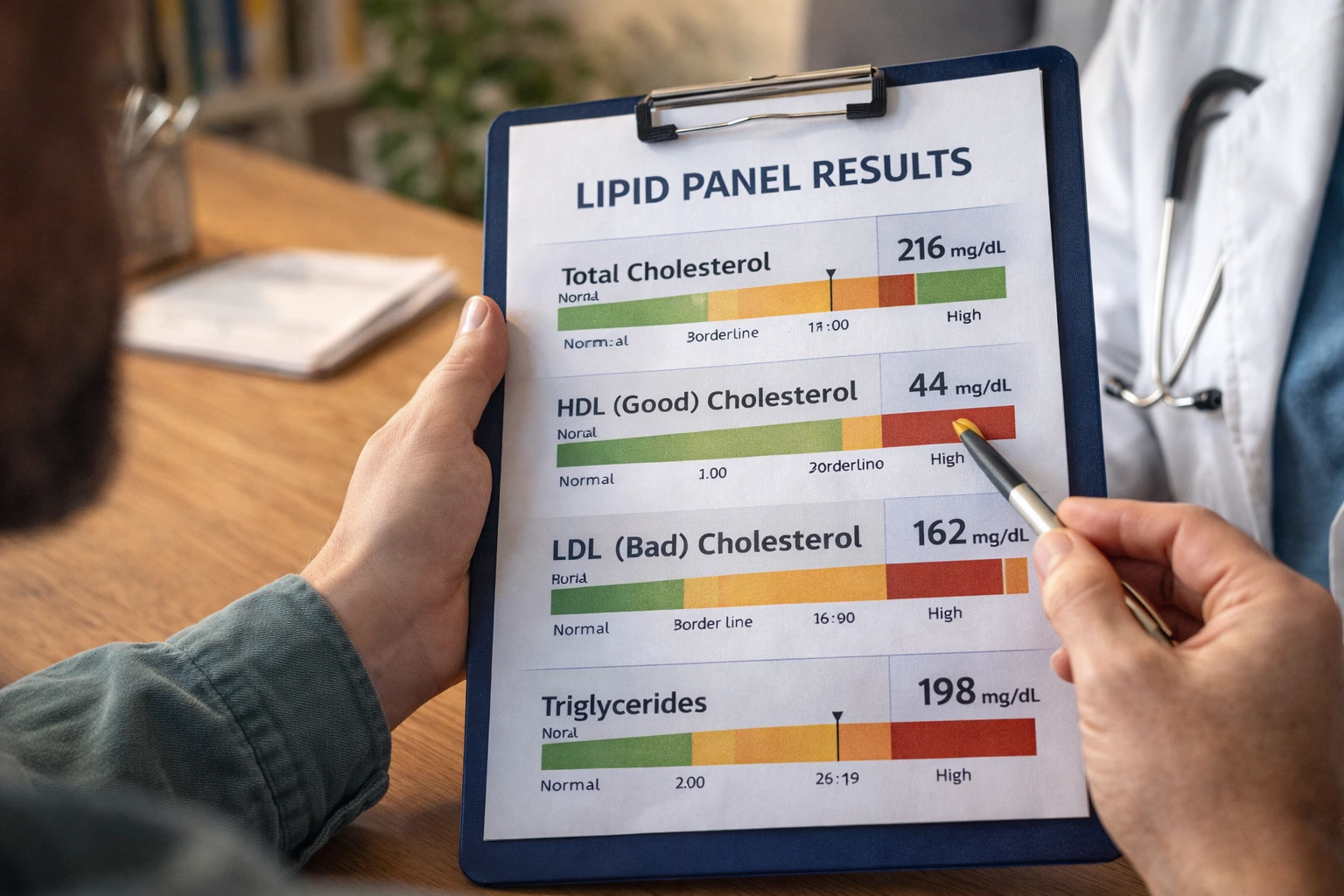
Lipid panel results are basically your blood’s financial report, except instead of money, it’s tracking cholesterol and fats that directly impact your heart. When you get these results back, you’re looking at a snapshot of three main players: triglycerides, LDL cholesterol, and HDL cholesterol. Think of it like this: imagine your arteries are highways, and these fats are traffic. Too much traffic (high LDL and triglycerides) and things get congested and dangerous. HDL is like the cleanup crew, removing debris and keeping things flowing smoothly. Your lipid panel essentially tells you whether your arterial highways are clear, congested, or somewhere in between. For young adults especially, getting these numbers early is like having a crystal ball for your future health. It’s not just about today; it’s about understanding what trajectory you’re on.
- Triglycerides: High levels may signal increased risk for heart disease and metabolic issues.
- LDL Cholesterol: Known as the ‘bad’ cholesterol that can clog arteries and build up over time.
- HDL Cholesterol: Dubbed the ‘good’ cholesterol that helps remove LDL from the bloodstream and protects your heart.
Interpreting your results
So your results came back. Now what? This is where most young adults feel lost. Your doctor might say your LDL is 150 or your triglycerides are 200, and you’re left wondering if that’s bad, really bad, or just a number. Here’s the real talk: LDL under 100 is considered optimal, 100 to 129 is near optimal, 130 to 159 is borderline high, and anything above 160 is high. HDL is the opposite game; you want this number higher, ideally above 40 for men and 50 for women. Triglycerides under 150 is normal, 150 to 199 is borderline high, and above 200 is high. But numbers alone don’t tell the whole story. Your age, family history, lifestyle, and other health factors all matter. A 25-year-old with slightly elevated LDL might have different implications than a 35-year-old with the same number. This is exactly why talking to your healthcare provider isn’t optional; it’s essential.
💬 Ready to feel better in 2 minutes?choose where to begin:
Lifestyle changes and management
Here’s what nobody tells you: your lipid panel results aren’t a life sentence; they’re a wake-up call with an off switch. If your numbers came back higher than ideal, the good news is that young adults respond incredibly well to lifestyle changes. Start with diet. Swap out saturated fats for unsaturated ones. That means trading butter for olive oil, choosing grilled chicken over fried, and actually eating those vegetables your mom kept pushing. Exercise is next. You don’t need to become a gym rat; even 30 minutes of moderate activity most days makes a measurable difference. Walking, cycling, swimming, dancing, whatever keeps you moving counts. If you smoke, quitting is single-handedly one of the most powerful things you can do for your lipid profile. Stress management matters too. High stress can actually elevate triglycerides, so meditation, yoga, or just unplugging from your phone for an hour can help. The beauty of being young is that your body responds quickly to these changes, sometimes within weeks.
Monitoring and follow-ups
Getting one lipid panel result is like taking a single photo; it shows you one moment in time. Real insight comes from tracking trends over months and years. Most healthcare providers recommend retesting every four to six years for low-risk young adults, but if your numbers came back elevated, you might retest in three months to see if lifestyle changes are working. Keep a simple log of your results, noting the date and your numbers. Between tests, stay consistent with your diet and exercise habits. Small slips happen, but what matters is the overall pattern. Some young adults find it helpful to set reminders for annual check-ups or use health apps to track their progress. Your lipid panel isn’t a one-time judgment; it’s a conversation between you and your body that evolves over time. Each follow-up is a chance to celebrate improvements or adjust your approach if needed.
Deciphering lipid panel results sheds light on your heart health status. By grasping these numbers, making lifestyle changes, and staying vigilant, you can proactively safeguard your heart and overall well-being.
What is a lipid panel test?
A lipid panel test measures the levels of fats and cholesterol in your blood, like triglycerides, LDL, and HDL cholesterol. It helps assess your risk for heart disease.
How often should I get a lipid panel test?
The frequency of testing depends on your health and risk factors. Generally, every four to six years for adults is recommended, but consult your healthcare provider for personalized advice.
Others also read:
Disclaimer: This article is for informational purposes only and is not a substitute for professional medical advice. Always consult a healthcare professional for personal guidance.
This article presents an experience-based perspective and has been reviewed by the GlobalHealthBeacon editorial team in 2026. It provides structured, evidence-based information to support informed health decisions.
